
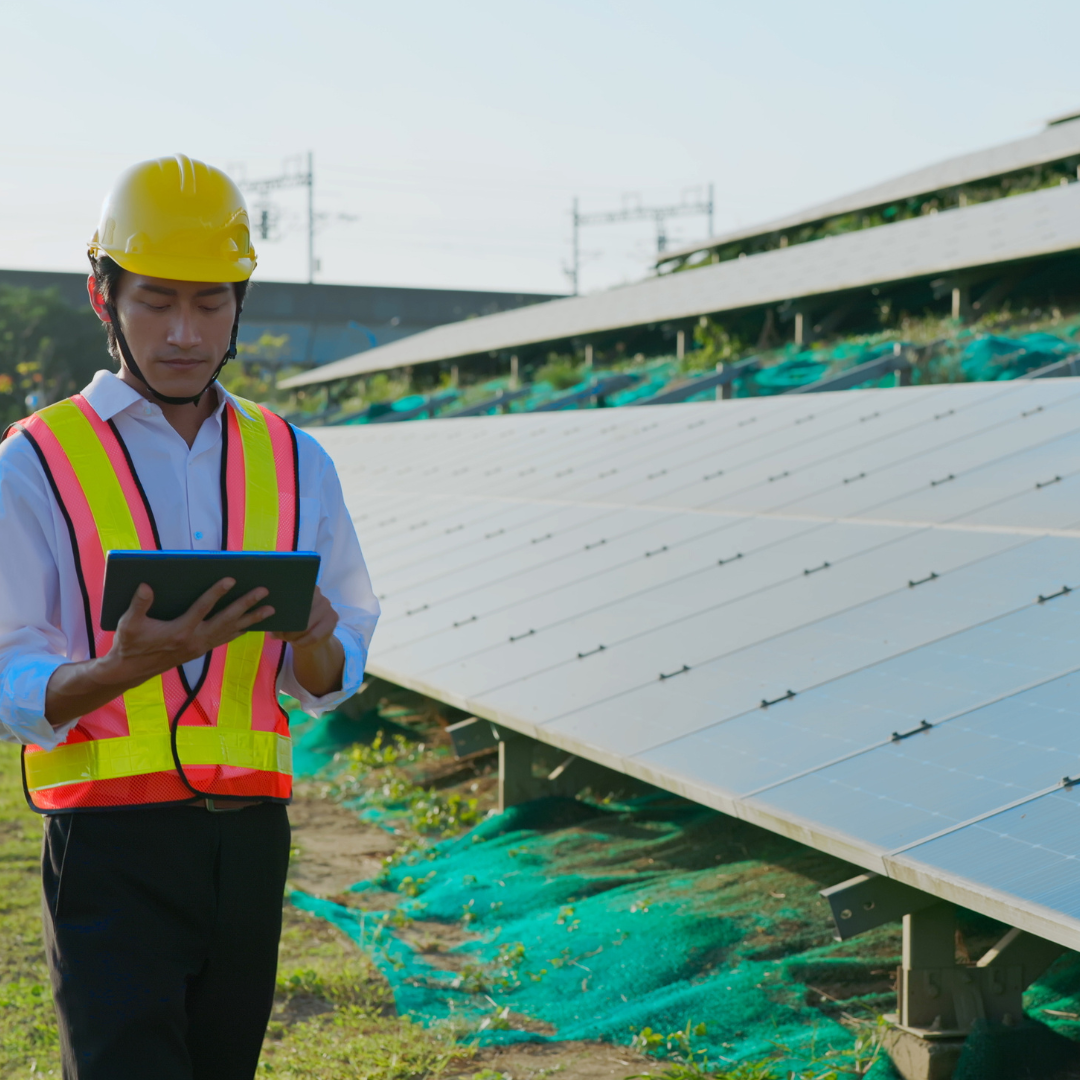
Innovation in Renewable Energy System Design: Towards a Greener Future
Climate change and the limitations of fossil resources are driving the world to shift towards cleaner and more sustainable energy sources. Renewable energy, such as solar, wind, and hydroelectric power, presents a promising solution. However, to fully harness the potential of renewable energy, continuous innovation in the design of energy systems is essential.
Challenges in Developing Renewable Energy Systems
- Intermittency: Sources like solar and wind are not consistently available, necessitating efficient energy storage systems.
- Efficiency: Improving efficiency in converting energy to electricity is crucial to reduce production costs.
- Grid Integration: Integrating renewable energy sources into existing power grids requires intelligent energy management.
- Cost: The cost of producing and installing renewable energy systems remains a barrier to widespread adoption.

Innovations in Renewable Energy System Design
To address these challenges, various innovations are being developed, including:
- Energy Storage Technologies:
- Batteries: Developing batteries with larger capacities, longer lifespans, and more affordable prices.
- Hydrogen: Using hydrogen as an energy carrier to store surplus energy from renewable sources.
- Heat Pumps: Utilizing geothermal energy to store energy.
- Improving Solar Panel Efficiency:
- Perovskite Solar Cells: A type of solar cell that is cheaper and more efficient than silicon-based cells.
- Anti-Reflective Coatings: Reduces light reflection to enhance energy absorption.
- Sun Tracking Systems: Optimizes the orientation of solar panels to capture as much sunlight as possible.
- Advanced Wind Turbines:
- More Aerodynamic Blade Designs: Increases the efficiency of converting wind energy into electricity.
- Vertical Axis Wind Turbines: More flexible and can be installed in limited spaces.
- Offshore Wind Turbines: Leverages more consistent offshore wind potential.
- Smart Grids:
- Smart electrical grids enable efficient integration of renewable energy sources.
- Utilizes sensors and communication systems to monitor and control energy flow.
- New Materials:
- Developing new materials with enhanced properties for renewable energy system components, such as more efficient conductors and more durable insulators.
Innovation in renewable energy system design continues to advance rapidly, creating opportunities for a more sustainable future. By addressing current challenges and leveraging the latest technologies, we can accelerate the transition to clean energy and mitigate the effects of climate change.
Source: Academic Journals: IEEE Transactions on Power Systems, Renewable and Sustainable Energy Reviews, Energy