

Renewable Energy and Habitat Restoration: Synergy for a Better Future
The escalating climate crisis urges us to seek sustainable solutions. One promising approach is the development of renewable energy alongside habitat restoration. These efforts complement each other and can create a powerful synergy for environmental conservation.
Renewable Energy: More Than Just Electricity
Renewable energy sources like solar, wind, and hydro offer clean, sustainable alternatives to fossil fuels. Beyond generating electricity, renewable energy development can contribute to habitat restoration.
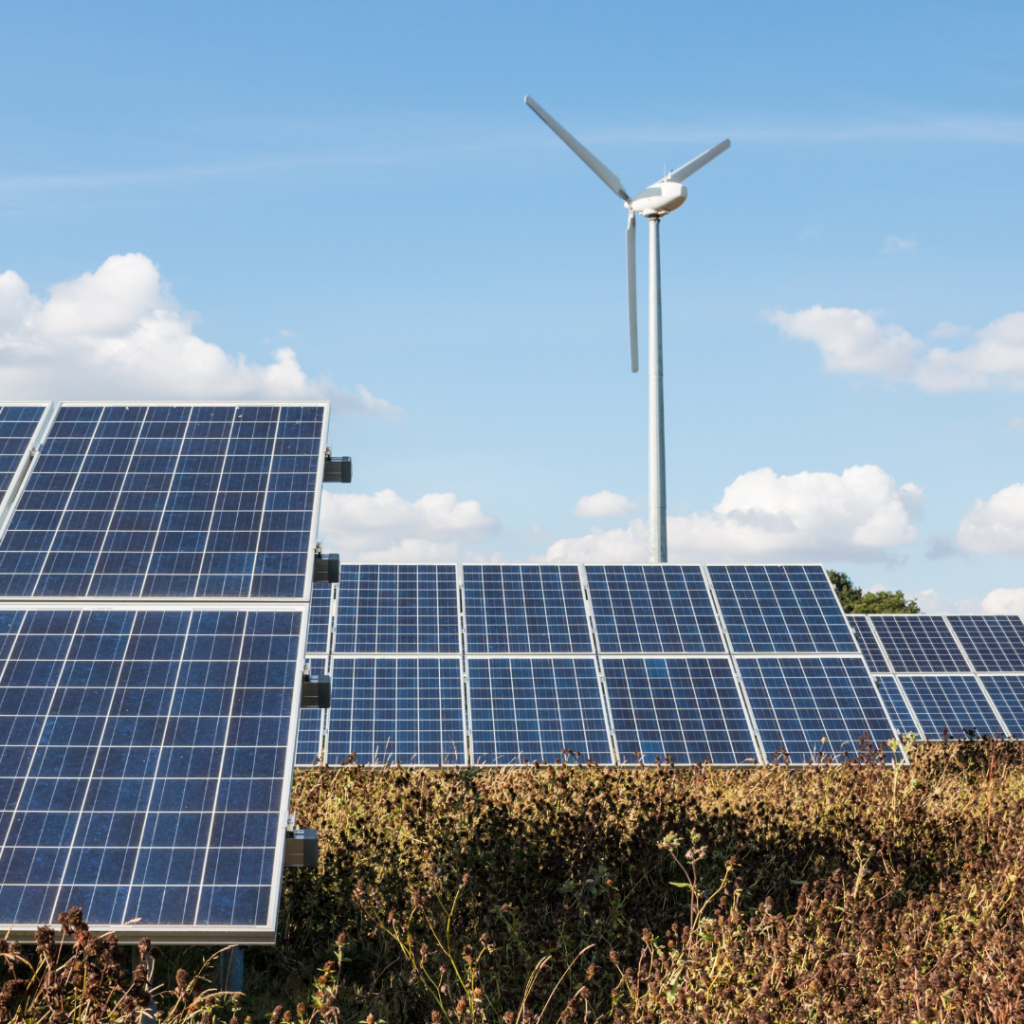
- Solar Power Plants (SPP): Installing solar panels on degraded land can help restore ecosystems while providing economic benefits to local communities.
- Wind Power Plants (WPP): The land around wind turbines can be used for conservation or restoration areas, supporting biodiversity.
- Hydropower Plants (HPP): Small-scale, eco-friendly hydropower development can help maintain river ecosystem balance and support agricultural activities.
Habitat Restoration: Restoring Nature’s Balance
Habitat restoration aims to return degraded ecosystems to their original or near-original conditions. This is crucial for preserving biodiversity, regulating microclimates, and protecting water resources.
- Reforestation: Replanting forests helps absorb carbon dioxide, prevent erosion, and provide habitats for various species.
- Mangrove Restoration: Mangrove forests are vital for protecting coastlines from erosion, absorbing carbon, and providing breeding grounds for diverse fish species.
- Peatland Recovery: Degraded peatlands can be restored to reduce greenhouse gas emissions and protect biodiversity.
Synergy Between Renewable Energy and Habitat Restoration
Renewable energy and habitat restoration have a mutually beneficial relationship.
- Renewable energy development can encourage habitat restoration: Land used for solar or wind power plants can be combined with restoration activities.
- Habitat restoration can support renewable energy development: Healthy forests can supply biomass resources and maintain water quality for hydropower plants.
- Both can enhance ecosystem resilience: Healthy and sustainable ecosystems are better equipped to handle climate change and natural disasters.
Challenges and Opportunities
Although the potential synergy between renewable energy and habitat restoration is substantial, there are some challenges to overcome, such as:
- High investment costs: Developing renewable energy infrastructure and carrying out habitat restoration activities require substantial funds.
- Supportive policies: Clear and consistent policies are needed to encourage investment in renewable energy and support habitat restoration efforts.
- Community knowledge and capacity: Raising awareness and building community capacity are crucial to advancing environmental conservation efforts.
Renewable energy and habitat restoration are two sides of the same coin. Together, they create a strong synergy for environmental conservation. With the right policy support and active participation from all stakeholders, we can build a more sustainable future for generations to come.
Source: IPCC Report: The Intergovernmental Panel on Climate Change report provides scientific data and analysis on climate change and its impacts.