UIGreenmetric

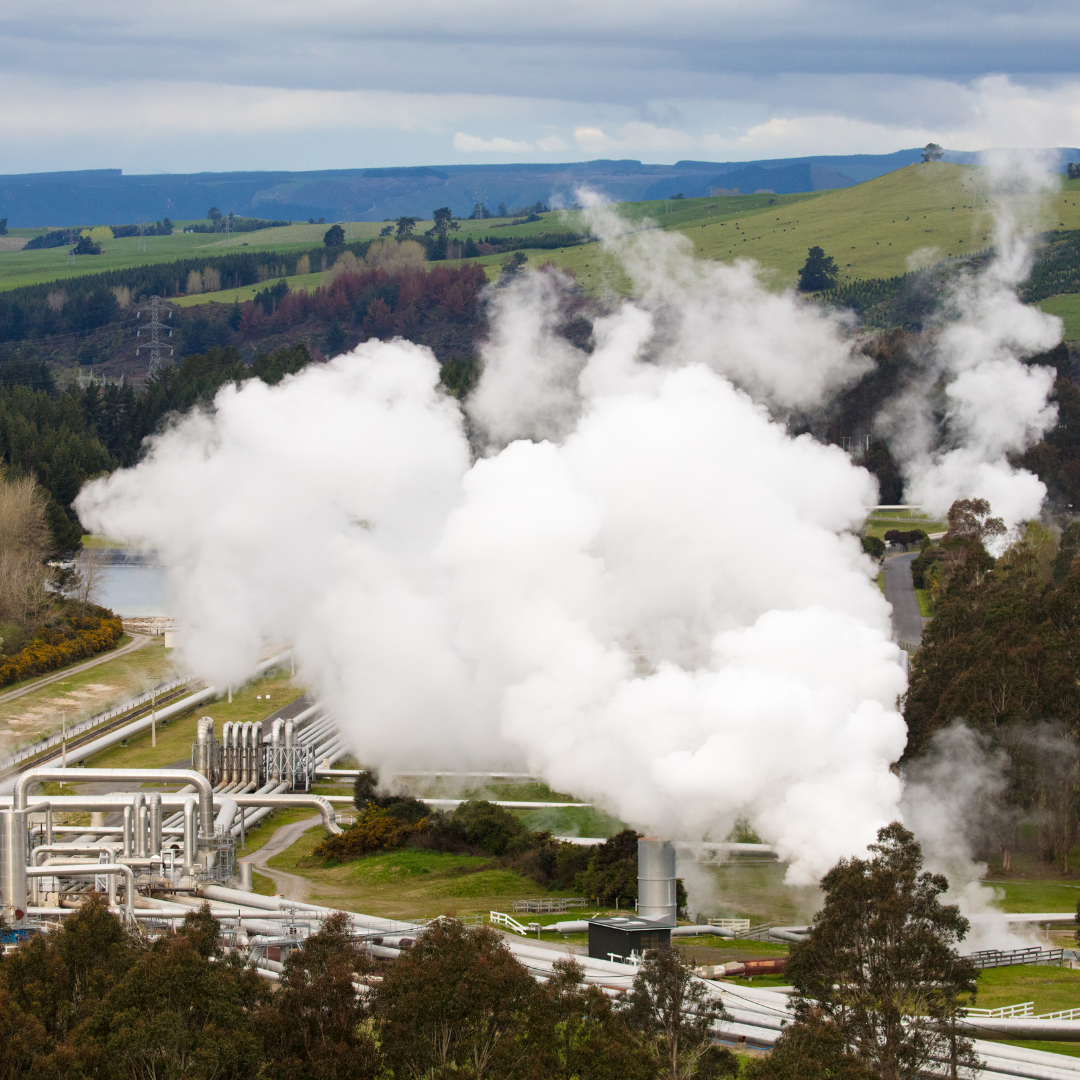
The Potential of Geothermal Energy in Indonesia: A Promising Hidden Treasure

Indonesia: The World’s Geothermal Paradise Indonesia, located along the Pacific Ring of Fire, has an enormous geothermal energy potential. The country is blessed with abundant natural resources, one of which is geothermal energy. This potential makes Indonesia one of the countries with the largest geothermal reserves in the world, estimated to account for approximately 40% of the global total. What is Geothermal Energy? Geothermal energy is heat energy derived from the Earth’s interior. This heat is generated by the radioactive decay of elements in the Earth’s core. The steam produced from heating underground water by geothermal heat can then be harnessed to generate electricity. Geothermal Potential in Indonesia According to data from the Ministry of Energy and Mineral Resources (ESDM), Indonesia’s geothermal potential reaches 23,766 Gigawatts (GW). This potential is spread across various regions of Indonesia, including Sumatra, Java, Bali, Nusa Tenggara, Kalimantan, Sulawesi, Maluku, and Papua. Advantages of Geothermal Energy Challenges and Opportunities Despite its enormous potential, the development of geothermal energy in Indonesia still faces several challenges, including: However, the geothermal energy potential in Indonesia also presents significant opportunities, such as: Geothermal energy is one of the solutions to meet Indonesia’s growing energy needs. With its immense potential and various benefits, the development of geothermal energy should continue to be promoted. The government, private sector, and society need to collaborate to overcome the existing challenges and maximize the potential of geothermal energy in Indonesia. Source: Ministry of Energy and Mineral Resources (ESDM): [Add link to the official ESDM website containing geothermal potential data in Indonesia]

The Use of Renewable Energy in the Tourism Sector: Moving Towards More Sustainable Destinations

Tourism, as one of the fastest-growing sectors, has a significant impact on the environment. With increasing awareness of the importance of sustainability, the tourism sector is shifting towards more eco-friendly practices. A crucial step in this direction is the adoption of renewable energy. Why is Renewable Energy Important in the Tourism Sector? Examples of Renewable Energy Use in Tourist Destinations Challenges and Solutions Solutions: The use of renewable energy in the tourism sector is a crucial step toward a more sustainable future. With its many benefits, renewable energy is not only good for the environment but can also enhance the appeal of tourist destinations. Sumber : Solarkita.com: Energi Terbarukan di Sektor Pariwisata: Menuju Destinasi Ramah Lingkungan

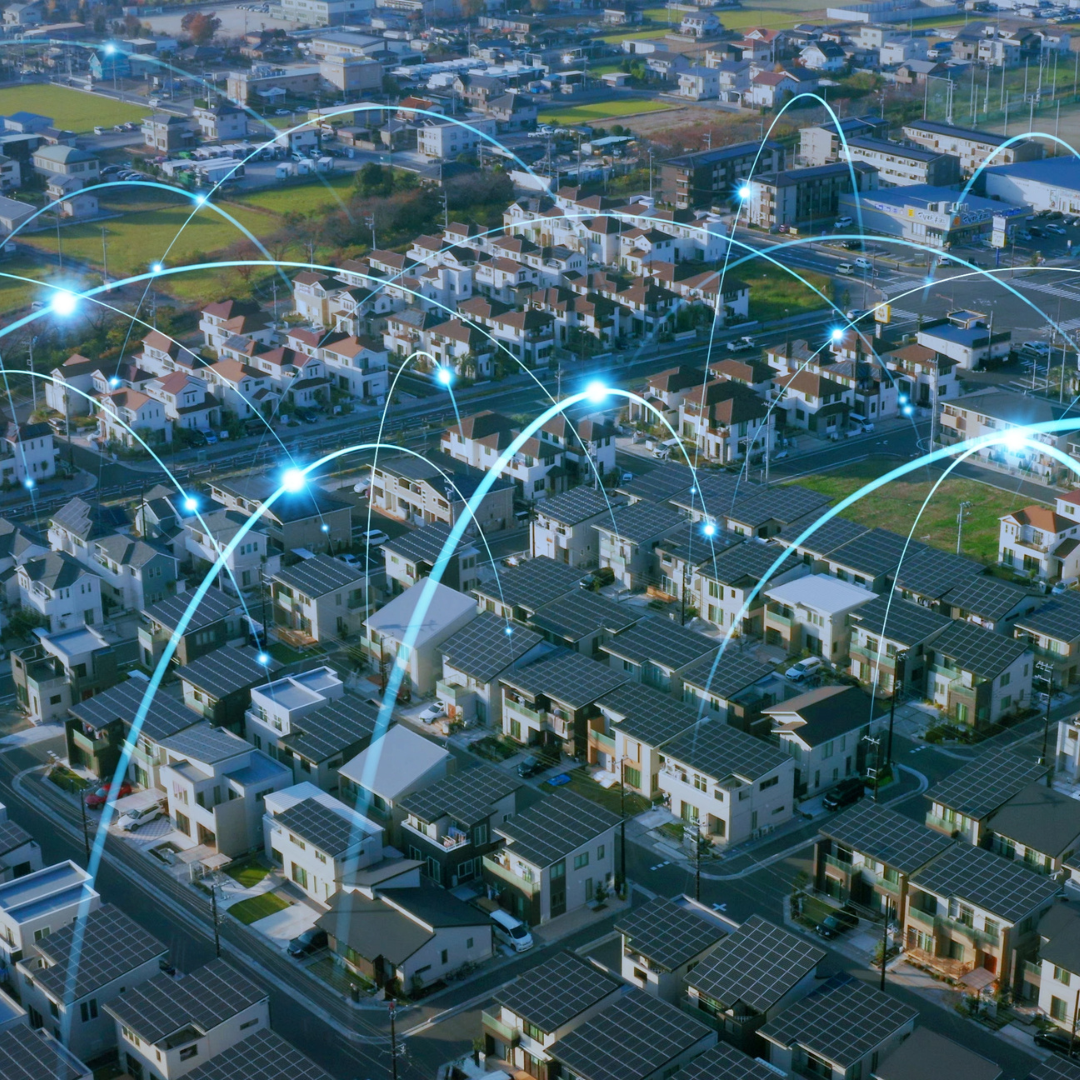
The Clean Energy Revolution: The Role of the Sun in Building Smart Cities

Defining a Smart City A smart city is an urban area that uses digital technology and data-driven solutions to enhance the quality of life for its residents, optimize urban services, and promote sustainability. The goal of building a smart city is to create a more efficient, livable, and sustainable environment by integrating technologies such as renewable energy, transportation systems, and IoT-based infrastructure. Urban Challenges Cities around the world are facing several pressing challenges, including: Renewable Energy Solutions: Why Solar Energy is a Promising Solution Solar energy stands out as a promising solution to these urban challenges for several reasons: 1. The Potential of Solar Energy for Smart Cities Availability of Resources Sunlight is an abundant, inexhaustible source of energy. The amount of solar energy that reaches the Earth every day is more than enough to meet the world’s energy needs, and this is especially true for many cities that enjoy abundant sunlight throughout the year. Solar Panel Technology Advancements in solar panel technology have significantly improved efficiency and reduced costs. Modern solar panels can capture more sunlight and convert it into electricity with greater effectiveness, making solar energy increasingly accessible for urban infrastructure. Energy Storage Solutions Since solar energy is intermittent (only available during the day), efficient energy storage solutions are needed to ensure a constant supply of power. Technologies like lithium-ion batteries and hydrogen storage are helping to overcome these challenges, storing excess energy generated during the day for use at night or during periods of low sunlight. 2. The Application of Solar Energy in Smart Cities Solar Power Generation Solar panels can be installed on rooftops or large-scale solar farms to generate electricity for city-wide needs, reducing reliance on grid power and decreasing urban pollution. Solar power can be used for public lighting, water pumping, and electricity in homes and businesses. Solar-Powered Buildings Green buildings designed with solar energy in mind can optimize energy use by incorporating solar panels for water heating, lighting, and cooling. These buildings can significantly reduce their carbon footprint and energy costs. Solar-Powered Transportation Electric vehicles (EVs) powered by solar energy are an excellent solution for reducing urban carbon emissions. Solar energy can be used to charge EVs, and solar-powered charging stations can be installed across cities, contributing to a cleaner transportation system. Solar Infrastructure Solar energy can be applied to various urban infrastructure projects, such as solar street lights, EV charging stations, and public buildings, creating a more sustainable and energy-efficient city environment. 3. Benefits of Solar Energy for Smart Cities Reduction of Greenhouse Gas Emissions The widespread use of solar energy helps reduce greenhouse gas emissions, improving air quality and mitigating climate change. By transitioning from fossil fuels to clean energy, cities can lower their carbon footprints and support global efforts to fight climate change. Energy Efficiency Solar energy enables cities to reduce dependency on fossil fuels, lowering operational costs and creating a more efficient energy system. This efficiency can help reduce electricity costs, which is especially important for urban populations and municipal governments. Energy Independence Solar power offers energy independence for cities, allowing them to generate their own electricity locally. This reduces reliance on external energy sources and enhances a city’s energy security, especially during power outages or emergencies. Economic Growth The solar energy industry has significant economic potential, creating new jobs in solar panel manufacturing, installation, and maintenance. Additionally, the development of solar infrastructure can drive investment and innovation, stimulating local economies. Recap of Key Points Solar energy plays a critical role in the development of smart cities by: Challenges and Opportunities While solar energy holds immense potential for transforming urban energy systems, there are still challenges to overcome, such as: However, the opportunities are vast: Call to Action We must all support the growth of solar energy and contribute to building more sustainable cities. By investing in solar technology, advocating for policies that support renewable energy, and participating in local solar initiatives, we can help pave the way for a cleaner, smarter future for generations to come. Source: Scholarly Article: For further reading, refer to scientific articles that discuss the deeper implications and advancements in solar energy applications for smart cities.

Community-Based Renewable Energy Development in Rural Areas: Towards Energy-Independent Villages

In the pursuit of sustainable energy goals, community-based renewable energy development in rural areas has become a primary focus. This model not only provides clean energy access for rural communities but also promotes energy self-sufficiency and empowers local populations. This article explores the potential, challenges, and steps that can be taken to develop community-based renewable energy in rural areas. Renewable Energy Potential in Rural Areas Rural regions hold significant potential for renewable energy development, including: Benefits of Community-Based Renewable Energy Development Challenges and Obstacles Steps for Development Case Study [Include case studies of successful community-based renewable energy projects in Indonesia or other countries, such as a micro-hydro project in Village A or a solar power plant in Village B. Describe project details, benefits achieved, and challenges encountered.] Community-based renewable energy development in rural areas is a crucial step towards energy-independent villages. With support from the government, private sector, and communities, the renewable energy potential in rural areas can be optimized to improve community welfare and protect the environment. Sumber : https://www.panda.id/pemberdayaan-masyarakat-desa-melalui-energi-terbarukan/

The Development of Solar Panel Efficiency: Towards a Future of Clean Energy

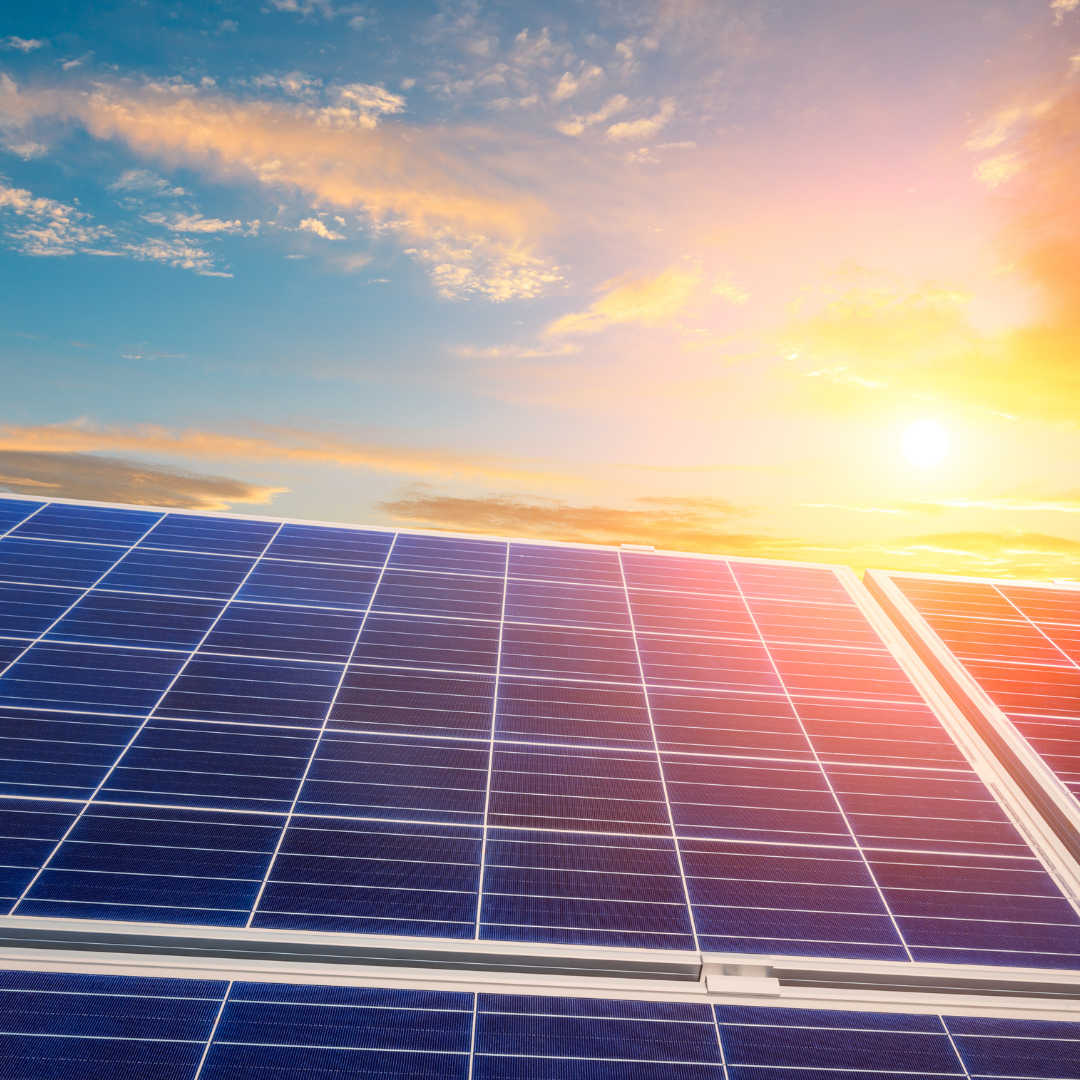
Solar panels have become one of the most promising solutions to address the global energy crisis and reduce the impacts of climate change. As awareness of the importance of clean energy grows, solar panel technology continues to evolve rapidly. One of the most crucial aspects of this development is the improvement of solar panel efficiency. What is Solar Panel Efficiency? Solar panel efficiency refers to the ability of a panel to convert sunlight into electricity. The higher the efficiency, the more electricity can be generated from the same amount of sunlight. Factors Affecting Solar Panel Efficiency Several factors affect the efficiency of solar panels, including: Recent Developments in Solar Panel Efficiency In recent years, there have been significant developments in improving the efficiency of solar panels. Some of these advancements include: Challenges and the Future Although rapid progress has been made, several challenges remain in achieving even higher solar panel efficiency, including: The future of solar panels looks very promising. With continuous technological advancements and research, it is expected that solar panel efficiency will continue to rise, enabling solar energy to become a primary energy source in the future. Sumber : E-journal.uniflor.ac.id: KAJIAN PERUBAHAN IKLIM TERHADAP EFISIENSI PANEL SURYA SEBAGAI SUMBER ENERGI ALTERNATIF DI INDONESIA

Flexible Solar Panels: The Future of Electric Vehicle Charging

The electric vehicle (EV) revolution has brought new momentum to the automotive industry. As the number of electric vehicles grows, the need for efficient and sustainable charging infrastructure becomes increasingly urgent. One innovative solution emerging is the use of flexible solar panels to charge electric vehicles. What Are Flexible Solar Panels? Flexible solar panels are a type of solar panel made from thin, bendable materials, allowing them to be installed on uneven or curved surfaces. Unlike rigid conventional solar panels, flexible panels offer greater installation versatility and convenience. Advantages of Flexible Solar Panels for Electric Vehicles Applications of Flexible Solar Panels for Electric Vehicles Challenges and Technological Advancements While flexible solar panels offer numerous benefits, they still face some challenges, such as: However, ongoing advancements in technology aim to address these challenges. Promising developments include: Flexible solar panels offer an exciting solution to meet the demand for clean and sustainable energy in the EV industry. With their many advantages, flexible solar panels have the potential to become a key component in the electric vehicles of the future. Sumber : https://atonergi.com/panel-surya-untuk-mobil-listrik-pengisian-ramah-lingkungan/

Advanced Solar Panel Technology: Mono vs. Polycrystalline

Solar energy is becoming increasingly popular as an environmentally friendly alternative energy source. One of the most common technologies used to harness solar energy is solar panels. Solar panels themselves come in different types, with the two most common being monocrystalline and polycrystalline panels. What’s the Difference? The main difference between monocrystalline and polycrystalline solar panels lies in the silicon crystal structure used. Comparison Table Feature Monocrystalline Polycrystalline Efficiency Higher Lower Appearance Dark, uniform Blue, rough Price More expensive More affordable Lifespan Longer Slightly shorter Operating Temperature Better in high temperatures Fairly good Which is Better? The choice between monocrystalline and polycrystalline solar panels depends on several factors, including: Both monocrystalline and polycrystalline solar panels have their own advantages and disadvantages. Monocrystalline is better suited for those looking for higher efficiency and the best quality electricity, while polycrystalline is more suitable for those seeking a more affordable option. Source : http://m.icasolar.com/support/blog/monovs-polivsthin

Social Impact of Renewable Energy Adoption in Communities

The transition to renewable energy is not just a shift from fossil fuels to cleaner, more sustainable energy sources. This change also brings significant impacts on society, economically, socially, and environmentally. This article specifically discusses the social impact of renewable energy adoption in communities. Positive Impacts Negative Impacts Case Study [Add relevant case studies, such as the impact of solar power plant development in remote Indonesian villages on improving community living standards or the economic impact of offshore wind projects on regional economies.] The adoption of renewable energy brings complex and diverse social impacts. While it offers many positive benefits, such as improved quality of life and economic growth, negative impacts, like job structure changes and social conflicts, must also be anticipated. To maximize the benefits and minimize the drawbacks, careful planning, community participation, and supportive policies are essential. Sumber : https://kumparan.com/solar-kita/dampak-energi-terbarukan-terhadap-aspek-sosial-ekonomi-dan-lingkungan-1wO5sJVwFfS

Energy Storage Systems for Marine Energy: The Future of Sustainable Power

Marine energy, with its immense potential, has become a primary focus in the development of renewable energy. However, one of the main challenges in utilizing marine energy is its production fluctuations. To address this, efficient energy storage systems are essential. This article will explore various types of energy storage systems that can be applied to marine energy, as well as the associated challenges and opportunities. Why is Energy Storage Needed for Marine Energy? Marine energy, such as wave and tidal energy, is intermittent. This means its production is not constant and can vary depending on weather conditions and tides. To ensure a stable and reliable energy supply, energy storage systems are needed to store excess energy when production is high and release it when production is low. Types of Energy Storage Systems for Marine Energy Challenges and Opportunities On the other hand, the development of marine energy storage systems also presents significant opportunities, including: Energy storage systems are a crucial component in the sustainable development of marine energy. With ongoing research and development, it is expected that the costs of storage systems will continue to decrease, and efficiency will improve. This will pave the way for broader and more sustainable use of marine energy in the future. Source : https://warstek.com/surplus/

Efficient Drilling Technology for Geothermal Energy: Toward a Clean Energy Future

Geothermal energy, a renewable energy source derived from the Earth’s heat, is gaining interest as an alternative to fossil fuels. However, developing geothermal energy often faces challenges due to geological complexities and high drilling costs. To address these challenges, various efficient drilling technologies are continually being developed. Why Is Efficient Drilling Important? Drilling is one of the most crucial stages in geothermal energy project development. Efficiency in the drilling process can have a significant positive impact, such as: Latest Efficient Drilling Technologies Some of the efficient drilling technologies currently being developed and implemented include: Challenges and the Future Despite advancements in drilling technology, several challenges remain, such as: The future of geothermal drilling looks promising. With ongoing technological advancements and research, drilling costs are expected to decrease, and efficiency is likely to improve. This will create more opportunities for the development of geothermal energy as a clean and sustainable energy source. Sumber : https://www.esdm.go.id/id/media-center/arsip-berita/teknologi-geo-flow-imaging-tekan-biaya-eksplorasi-panas-bumi

Scroll to top