
Teknokrat Green Campus

Government Initiatives Towards Clean Energy: A Step Forward for Indonesia

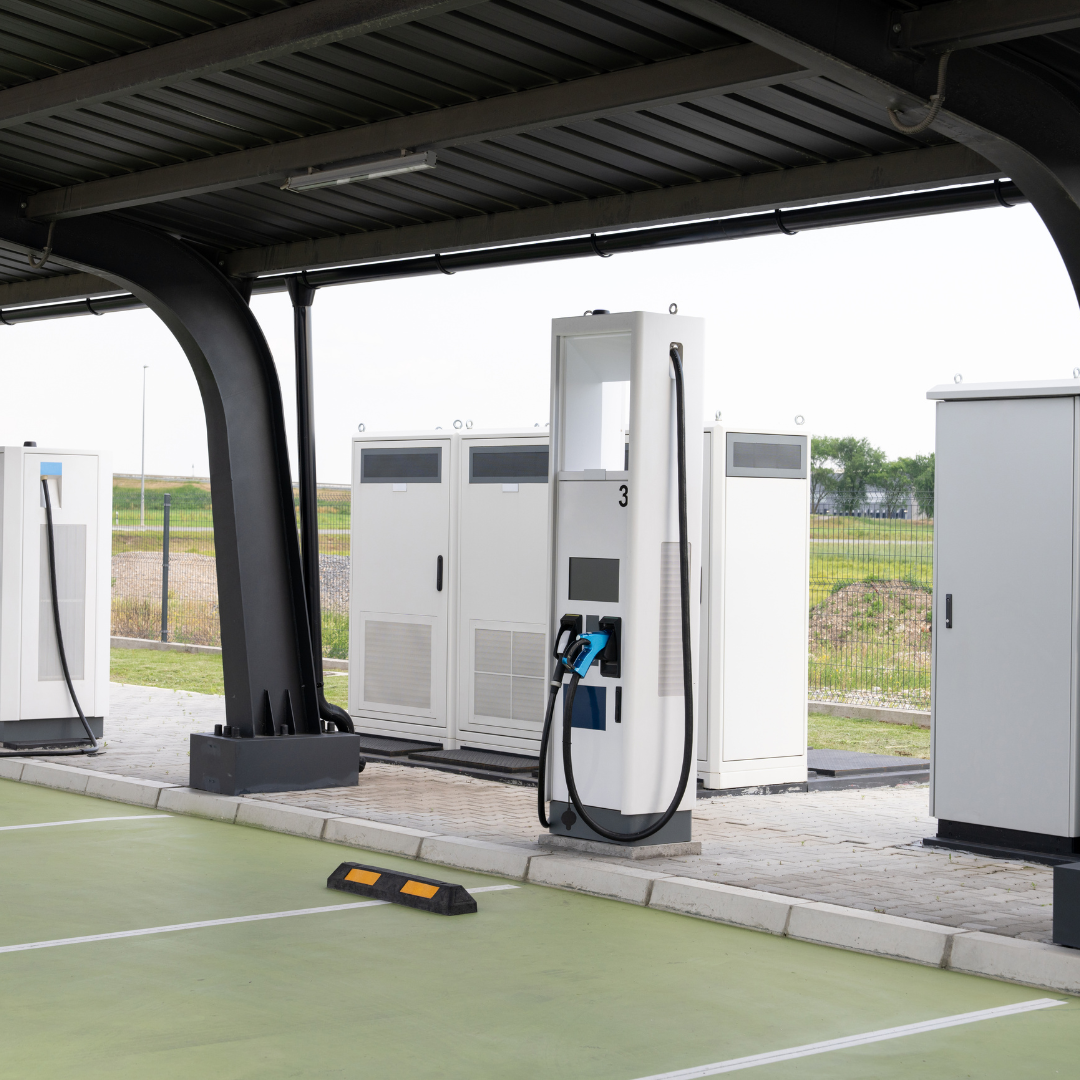
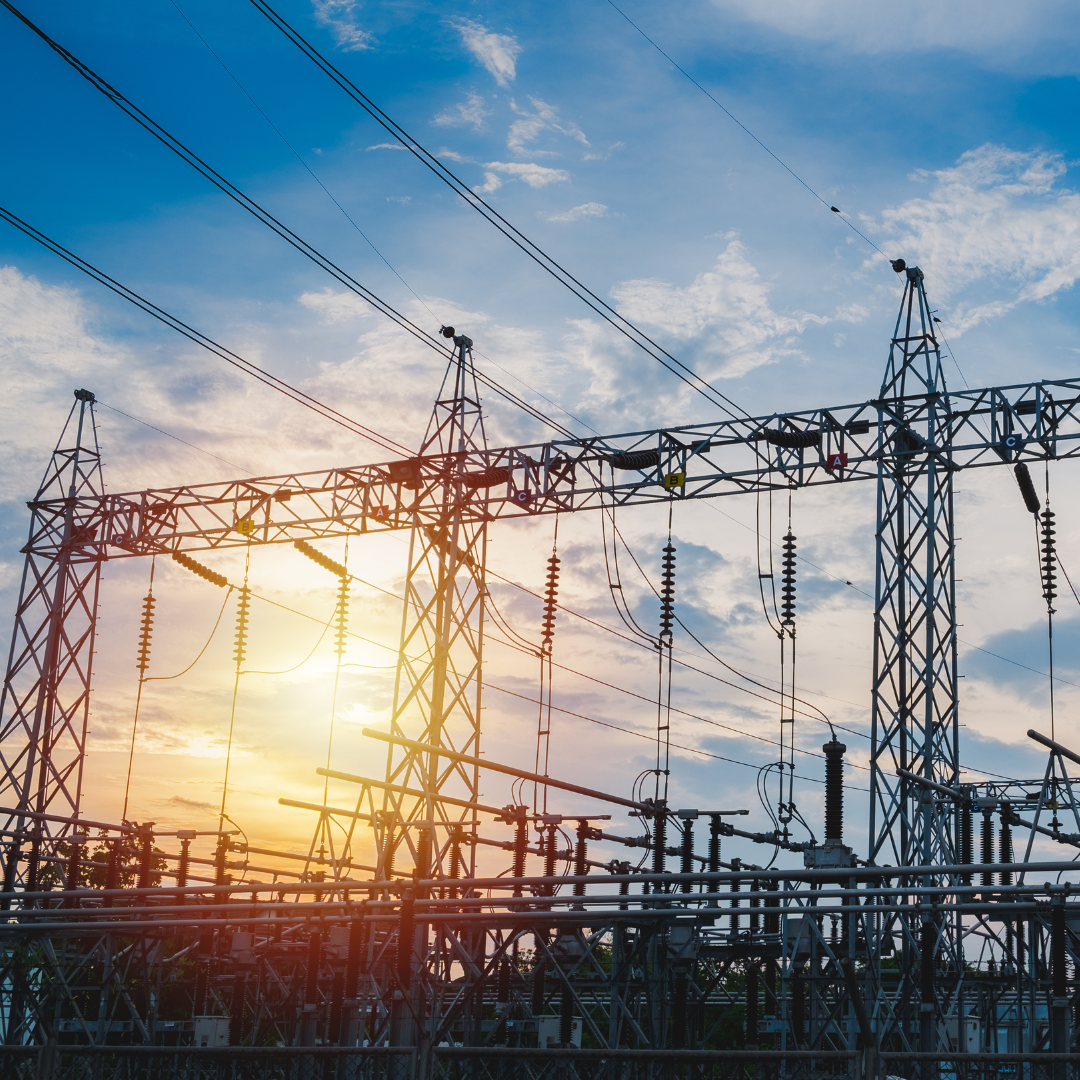
The increasingly urgent climate crisis has driven various countries, including Indonesia, to shift towards cleaner and more sustainable energy sources. The Indonesian government has taken several significant steps to promote this energy transition. This article reviews some of the key initiatives that the government has undertaken and is currently pursuing to create a greener energy future. State-Owned Enterprises (SOEs) as Pioneers Supporting Government Policies Flagship Programs Challenges and OpportunitiesAlthough significant progress has been made, there are still several challenges to overcome, such as limited infrastructure, high investment costs, and a shortage of skilled human resources. On the other hand, the energy transition also opens up enormous business opportunities for the private sector. The government’s efforts to promote the transition to cleaner and more sustainable energy sources are crucial steps in addressing climate change and achieving sustainable development goals. With support from all stakeholders, Indonesia has significant potential to become a leader in the energy transition in Southeast Asia. Sumber : Kementerian Energi dan Sumber Daya Mineral (ESDM)

Renewable Energy and Cross-Sector Collaboration: The Key to a Sustainable Future

IntroductionClimate change and the depletion of fossil resources are driving the world to shift toward cleaner and more sustainable energy sources. Renewable energy, such as solar, wind, water, and biomass, offers promising solutions to address global energy challenges. However, the transition to renewable energy requires more than just technology. Cross-sector collaboration is key to accelerating the adoption of clean energy and achieving sustainable development goals. Why is Cross-Sector Collaboration Important? Examples of Successful Cross-Sector Collaboration Challenges and OpportunitiesAlthough cross-sector collaboration offers many benefits, several challenges need to be addressed, such as: However, these challenges also present opportunities for innovation and the development of new solutions. Cross-sector collaboration can drive the creation of innovative business models, the development of new technologies, and the creation of green jobs. ConclusionCross-sector collaboration is crucial for achieving a sustainable future. By working together, we can accelerate the transition to renewable energy, reduce greenhouse gas emissions, and create a more just and prosperous society. Source: IRENA: International Renewable Energy Agency (https://www.irena.org/)

Renewable Energy: Investment for Future Generations

Climate Change and the Urgency of Clean Energy Climate change has become a real threat to life on Earth. Rising global temperatures, extreme weather events, and rising sea levels are just some of the impacts we are already experiencing. One of the main causes of climate change is greenhouse gas emissions from the burning of fossil fuels. To address this issue, the transition to clean energy has become increasingly urgent. Renewable energy, such as solar, wind, water, and biomass, offers a sustainable solution. Not only is renewable energy environmentally friendly, but it also has the potential to create new jobs and drive economic growth. Why Investing in Renewable Energy is So Important? Renewable Energy Potential in Indonesia Indonesia has enormous renewable energy potential, including solar, wind, water, geothermal, and biomass. Several regions in Indonesia, such as East Nusa Tenggara and South Sulawesi, have high wind energy potential. Meanwhile, Java and Bali have significant solar energy potential. Challenges and Solutions Despite the vast renewable energy potential in Indonesia, there are still several challenges to overcome, including: To address these challenges, collaboration between the government, private sector, and the public is necessary. The government can provide support through policies that encourage renewable energy development, while the private sector can play a role as investors and project developers. The public can also contribute by adopting renewable energy in their homes. Investing in renewable energy is an investment in a better future. By harnessing its renewable energy potential, Indonesia can contribute to global efforts to combat climate change and build a more sustainable future. Source: Research reports from universities and research institutions: Latest findings on renewable energy technologies and potential. Sumber : Laporan-laporan penelitian dari universitas dan lembaga penelitian: Temuan-temuan terbaru mengenai teknologi dan potensi energi terbarukan.

Energy and National Resilience: Strategies and Policies

The Relationship between Energy and National Resilience Energy as an Engine of Economic Growth: Energy is a critical input across various economic sectors, from industry and transportation to households. Economic dependence on energy means that disruptions in energy supply can have a significant impact on economic growth. Energy and Political Stability: Insufficient energy supply or high fluctuations in energy prices can trigger social and political instability. History has recorded numerous instances of conflicts driven by the competition for energy resources. Energy and National Security: Dependence on energy imports can make a country vulnerable to political pressure from energy-producing nations. Additionally, vital energy infrastructure can become a target during armed conflicts. Strategies to Enhance Energy Resilience National Energy Policy Challenges and Opportunities Sumber : Direktorat Jenderal EBTKE: https://ebtke.esdm.go.id/

Current Energy: Public Awareness and Education for a Sustainable Future

The Importance of Public AwarenessPublic awareness of the importance of renewable energy and the impact of fossil fuel use is the foundation for the changes we hope to achieve. By understanding energy issues, the public can: Education as the KeyEducation plays a crucial role in raising public awareness. Some educational efforts that can be undertaken include: Challenges and SolutionsAlthough public awareness is growing, there are still several challenges that need to be addressed, such as: To overcome these challenges, cooperation between the government, the private sector, and the public is necessary. Some solutions that can be implemented include: Sumber : https://www.umy.ac.id/kesadaran-masyarakat-indonesia-akan-krisis-energi-masih-kurang

Current Energy: Public Awareness and Education for a Sustainable Future

The Importance of Public AwarenessPublic awareness of the importance of renewable energy and the impact of fossil fuel use is the foundation for the changes we hope to see. By understanding energy issues, the public can: Education as the KeyEducation plays a crucial role in raising public awareness. Some educational efforts that can be made include: Challenges and SolutionsAlthough public awareness is growing, several challenges still need to be addressed, such as: To overcome these challenges, collaboration between the government, private sector, and society is needed. Some solutions that can be implemented include: Sumber : https://www.umy.ac.id/kesadaran-masyarakat-indonesia-akan-krisis-energi-masih-kurang

Current Energy: The Key to Better Quality of Life

Energy is the foundation of modern life. The development of energy technology continues to innovate, leading us into a new era where energy is not just a necessity, but also a key to improving the quality of life. This article will discuss how current energy, particularly renewable energy, plays a role in enhancing the well-being of society. Article Content Sumber : https://www.rri.co.id/iptek/728986/efisiensi-energi-kunci-kehidupan-yang-lebih-baik-dan-berkelanjutan

The Role of Social Media in Motivating Students to Exercise

Social media has become an integral part of teenagers’ lives today. Platforms such as Instagram, TikTok, and YouTube are not only used for socializing but can also be effective tools to motivate students to be more active in exercising. This article will discuss how social media can be utilized to increase students’ interest and participation in physical activities. Introduction In the digital era, social media has changed how we communicate and interact. These platforms are not only used to share information and entertainment but can also serve as powerful tools to influence individual behavior, including in terms of a healthy lifestyle. One important aspect of a healthy lifestyle is physical activity. The Role of Social Media in Motivating Students Positive Impact of Social Media on Students’ Physical Activity Challenges and Considerations Social media has great potential to motivate students to be more active in exercising. However, it is essential for students to use social media wisely and critically. With proper guidance, social media can become an effective tool to promote a healthy lifestyle among students. Source: UMMI Journal: The Role of Social Media in Spreading King of Sparko’s Message on the Importance of Exercising (https://jurnal.ummi.ac.id/index.php/JSU/article/download/2736/1202/7962)

Leadership Skills Through Sports: Building the Character of a Champion

Sports are not merely physical activities; they are also an effective platform for developing various skills, including leadership. In the world of sports, we often witness how professional athletes can inspire their teams, make decisions under pressure, and achieve remarkable accomplishments. So, how does sports shape leadership skills? Let’s delve further. Why Can Sports Shape Leaders? What Leadership Skills Can Be Acquired from Sports? Applying Leadership Skills in Everyday Life The leadership skills gained from sports can be applied in various aspects of life, such as in school, the workplace, and within the community. Some examples of application include: Sports are not just physical activities; they are also a highly effective school of leadership. Through sports, individuals can develop various skills needed to become successful leaders. Therefore, sports can be a valuable avenue to shape the character of the younger generation. Source: Gould, D., & Voelker, R. (2012). Beyond the game: Sport and character development. Human Kinetics.

Sports Education in Elementary Schools: Challenges and Opportunities

The Importance of Sports Education: Why is early sports education crucial for children’s physical, cognitive, and social development? Purpose of the Article: To highlight the challenges faced and the opportunities that can be utilized to improve the quality of sports education in elementary schools. Challenges in Sports Education in Elementary Schools Limited Facilities and Infrastructure: Lack of Teacher Competency: Limited Time Allocation: Lack of Parental Support: Technological Development: Opportunities to Improve the Quality of Sports Education Innovations in Learning: Teacher Competency Development: Community Collaboration: Utilization of Open Spaces: Parent Awareness Campaigns: Sports education in elementary schools plays a crucial role in shaping a healthy and active younger generation. Despite various challenges, there are many opportunities to improve the quality of sports education. Through cooperation from all parties, sports education in Indonesia can achieve better outcomes. Source: Challenges and Innovations in Physical Education, Sports, and Health Education (PJOK) in Elementary Schools (https://www.jptam.org/index.php/jptam/article/view/15706)

Scroll to top