Teknokrat Green Campus

Environmental Impact of Wind Energy Infrastructure Development: A Review

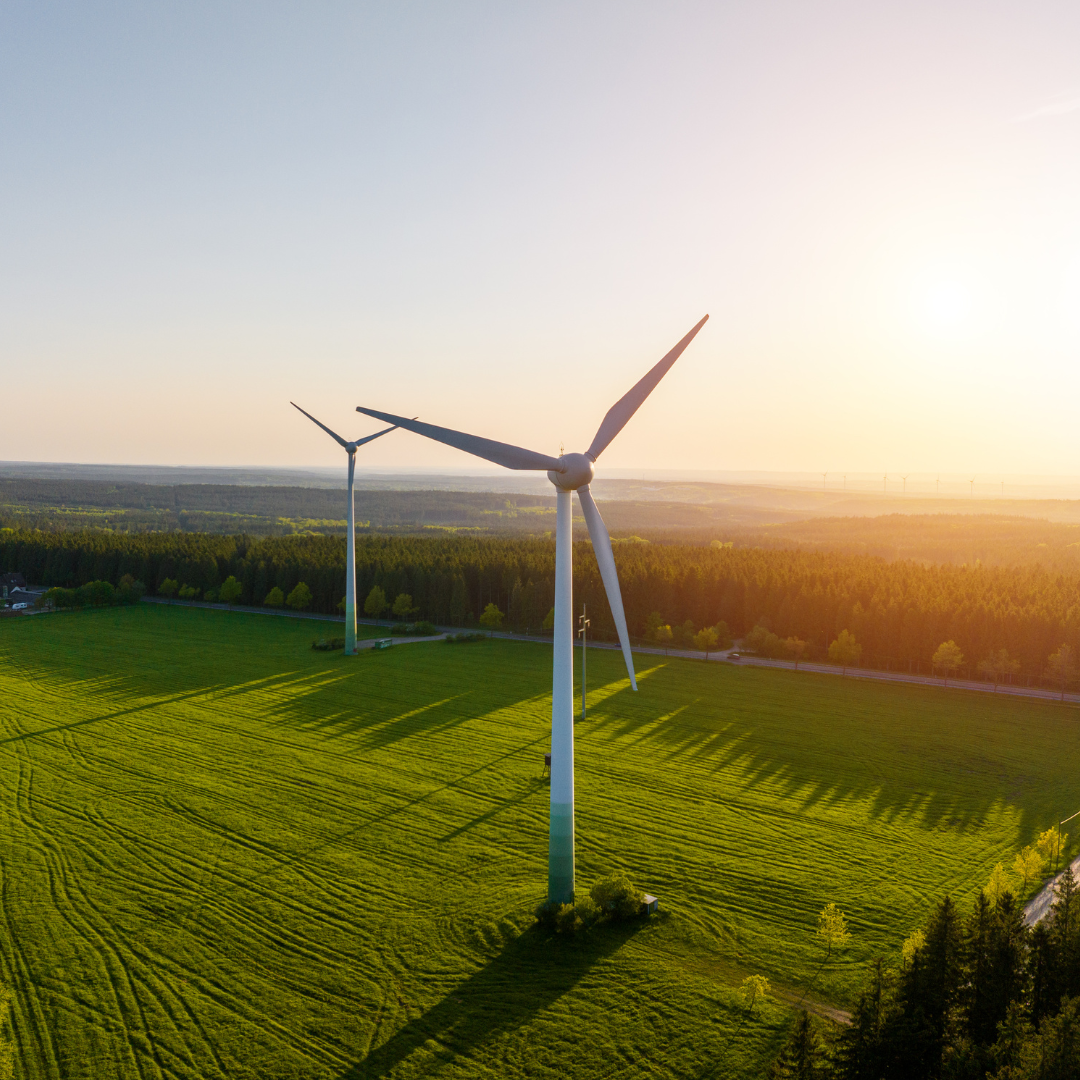
Wind energy, one of the most promising sources of renewable energy, is increasingly being developed worldwide. The construction of wind energy infrastructure, such as large wind turbines, is expected to reduce dependence on fossil fuels and minimize greenhouse gas emissions. However, like any technology, wind energy infrastructure development also has environmental impacts that need to be considered. Positive Impacts Before discussing the negative impacts, it is important to highlight some positive effects of wind energy infrastructure development: Negative Impacts Despite its many benefits, the development of wind energy infrastructure also has some negative environmental impacts, including: Mitigating Negative Impacts To minimize the negative impacts of wind energy infrastructure development, several mitigation measures can be implemented, including: The development of wind energy infrastructure is an important step in the transition to clean energy. However, it is essential to recognize that every technology has environmental impacts that need consideration. With careful planning and appropriate mitigation measures, we can maximize the benefits of wind energy while minimizing its negative effects on the environment. Source : https://environment-indonesia.com/dampak-lingkungan-pembangkit-listrik-tenaga-angin/

Advancements in Perovskite Solar Cell Technology: The Future of Renewable Energy

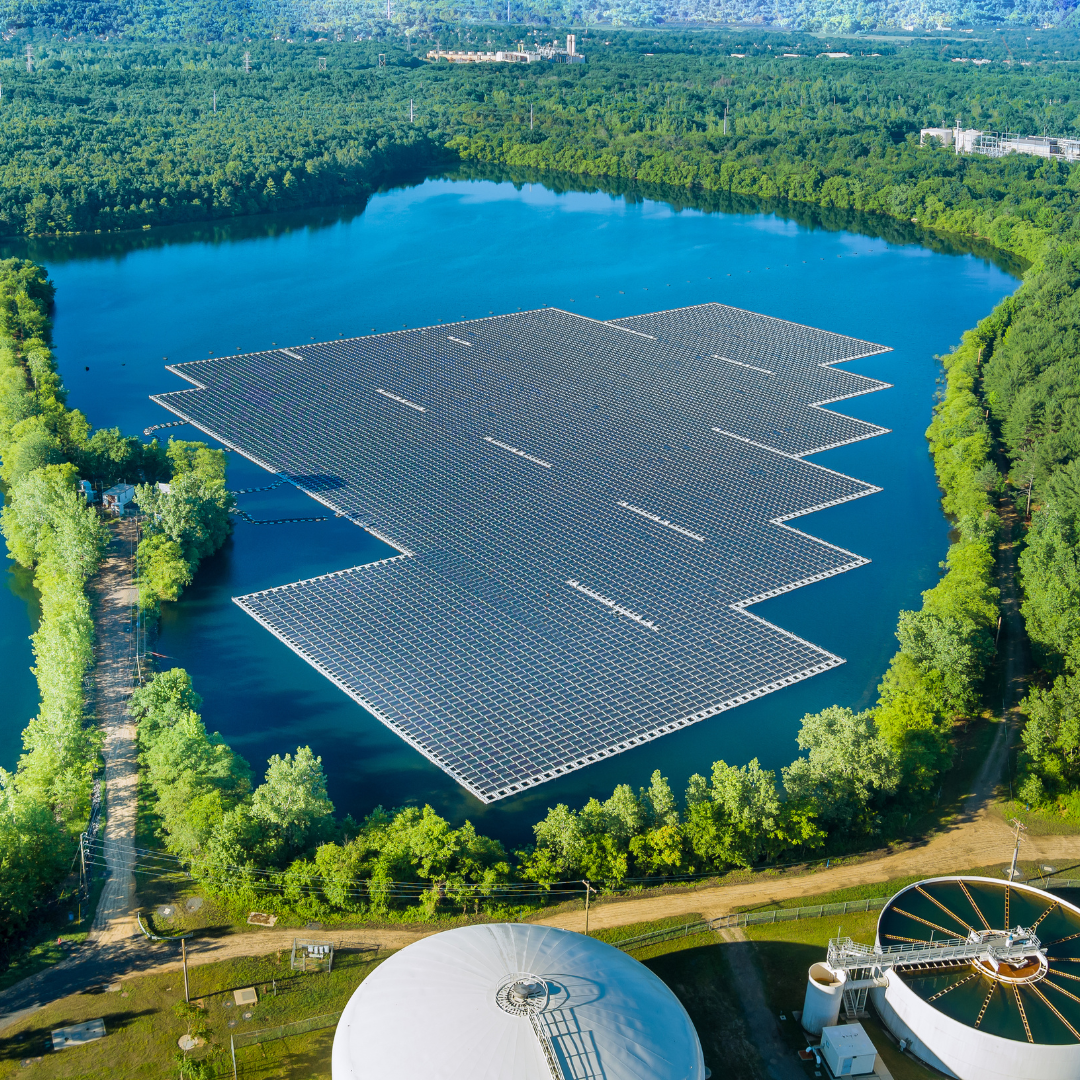
Perovskite solar cells have emerged as one of the most promising innovations in renewable energy. With continually improving efficiency and increasingly affordable production costs, this technology has the potential to revolutionize how we generate electricity from sunlight. What is a Perovskite Solar Cell? A perovskite solar cell is a semiconductor device that converts sunlight into electrical energy. Its active material is perovskite, which has a specific crystal structure. This type of solar cell offers several advantages over traditional silicon solar cells, such as: Recent Advances in Perovskite Solar Cell Technology Significant progress has been made in developing perovskite solar cells in recent years, including: Future Challenges and Opportunities Despite rapid advancements, perovskite solar cell technology still faces some challenges, such as: However, with continued research and development, it is expected that these challenges can be overcome. The vast market potential for renewable energy will be a major driver for the advancement of perovskite solar cell technology in the future. Source : https://www.jgc-indonesia.com/id/news/218/sel-surya-jenis-perovskite-masa-depan-teknologi-fotovoltaik

Emission Reduction Policies for the Transportation Sector: Towards Sustainable Transportation

The transportation sector is one of the largest contributors to greenhouse gas emissions worldwide. Emissions from motor vehicles, both private and public, significantly contribute to climate change and air pollution. To address this issue, various countries around the world have implemented emission reduction policies specific to the transportation sector. Challenges in the Transportation Sector Emission Reduction Policies for the Transportation Sector To tackle the above challenges, various policies have been implemented, including: Policy Examples in Several Countries Opportunities and Future Challenges Implementing emission reduction policies in the transportation sector still faces various challenges, such as high costs, public resistance, and infrastructure limitations. However, there are also significant opportunities to develop the electric vehicle industry, create new jobs, and improve the quality of life. Reducing emissions in the transportation sector is an essential step in combating climate change. By implementing comprehensive and sustainable policies, we can achieve a cleaner and healthier future. Source: Ministry of Transportation of the Republic of Indonesia: [Add link to the relevant Ministry of Transportation website on transportation policies]

Utilization of Recycled Batteries in Energy Storage: A Greener Future

Battery technology is advancing rapidly, especially with the rise of electric vehicles and portable electronic devices. However, alongside this progress comes a new issue: battery waste. If not properly managed, used batteries can pollute the environment. But did you know that old batteries hold significant potential for reuse? One of the most promising applications is as energy storage media. Why Are Recycled Batteries Important? Utilization of Recycled Batteries in Energy Storage Recycled batteries still retain considerable energy storage capacity. Some of their applications include: Challenges and Opportunities While recycled batteries have great potential, several challenges must be addressed: However, as awareness of sustainability grows, new opportunities continue to emerge. Some tech companies have developed energy storage systems that utilize recycled batteries. Additionally, governments in various countries are issuing policies that support the development of the battery recycling industry. The use of recycled batteries in energy storage is a crucial step toward a more sustainable future. By continually developing technology and raising public awareness, we can maximize the potential of used batteries and reduce negative environmental impacts. Source : https://green.katadata.co.id/infografik/66e3e62064990/peluang-dan-tantangan-daur-ulang-baterai-ev

Solar Energy in Commercial Buildings: Moving Towards More Sustainable Structures

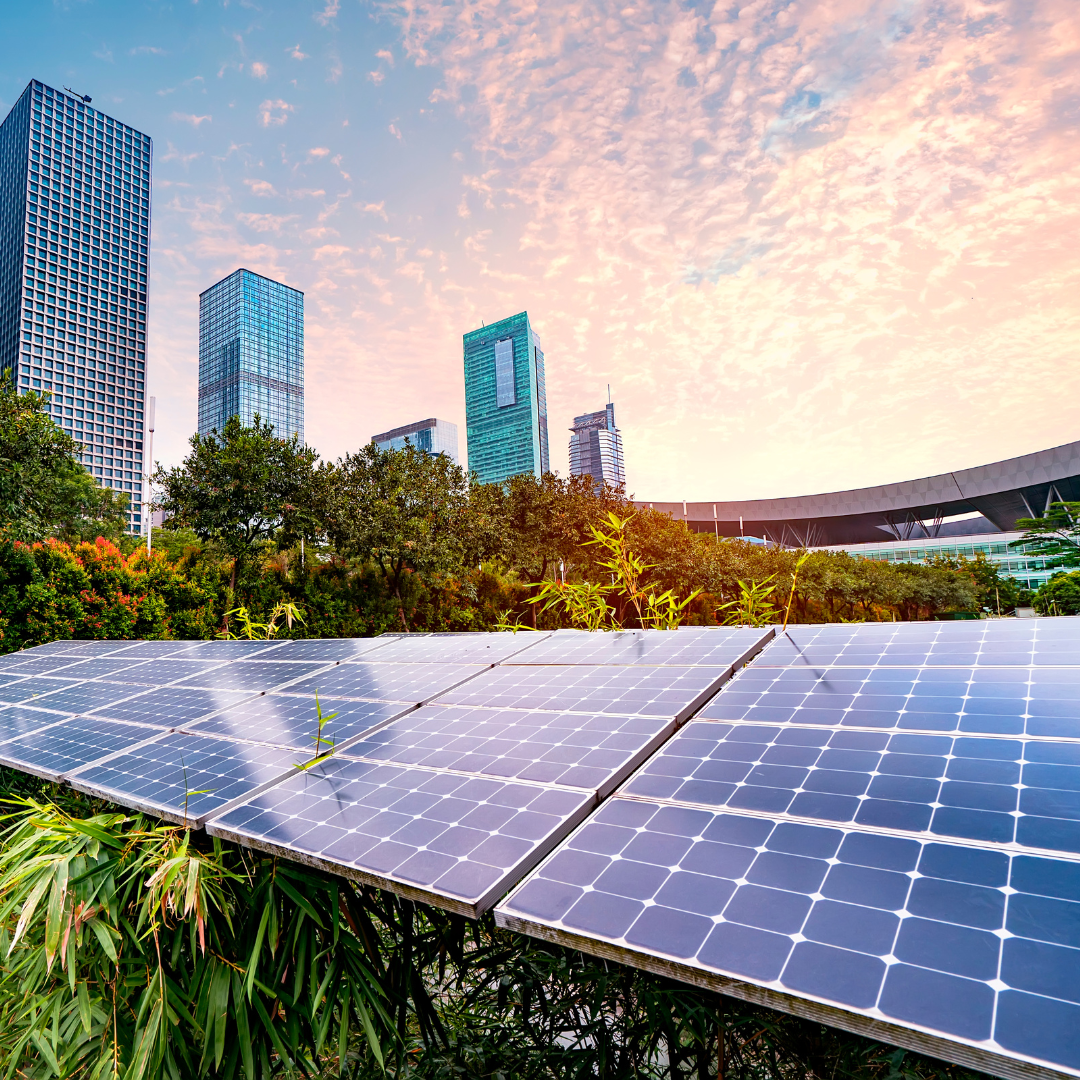
The use of solar energy in commercial buildings is becoming increasingly popular as a step towards more sustainable structures. By utilizing sunlight as the primary energy source, commercial buildings can reduce dependence on fossil fuels, lower operational costs, and contribute to environmental preservation. Benefits of Solar Energy Use in Commercial Buildings Challenges in Solar Energy Implementation Potential for Solar Energy Development in Commercial Buildings Case Study [Add case studies on the implementation of solar energy in commercial buildings in Indonesia or other countries. For example, look for information on office buildings or shopping centers that have successfully adopted this technology.] Solar energy offers a promising solution to reduce environmental impact and increase energy efficiency in commercial buildings. With support from the government, businesses, and the public, the use of solar energy in the commercial sector will continue to grow, contributing significantly to a more sustainable future. Source : https://properti.kompas.com/read/2017/09/29/175546721/pemanfaatan-energi-surya-di-gedung-komersial-masih-terbatas

Utilization of Energy from Waste Heat Systems: Untapped Potential

In an era where energy is becoming an increasingly valuable commodity and environmental issues are becoming more pressing, efficient energy utilization is becoming more important. One often overlooked source of energy is waste heat. Waste heat is generated from various industrial processes, power plants, and daily activities. However, this waste heat contains vast energy potential that can be utilized for various purposes. What is Waste Heat? Waste heat is the heat energy produced from a process but not directly used. This heat is then released into the environment, either through the air, water, or soil. Examples of sources of waste heat include: Potential of Waste Heat Utilization There are many potential uses for waste heat, including: Technologies for Waste Heat Utilization Some technologies that can be used to harness waste heat include: Challenges and Opportunities Although waste heat utilization has great potential, it still faces several challenges, such as: However, behind these challenges, there are significant opportunities. The utilization of waste heat can make a significant contribution to reducing greenhouse gas emissions, improving energy efficiency, and creating new jobs. Utilizing energy from waste heat systems is an important step towards a more sustainable future. By continuing to develop supporting technologies and policies, the potential of waste heat energy can be optimized to meet the growing energy demand. Source : https://www.atlascopco.com/id-id/compressors/air-compressor-blog/sumber-energi-panas

Bioenergy Potential from Industrial Plantation Forests: The Future of Sustainable Energy

Amid the global energy crisis and growing awareness of environmental importance, the search for alternative energy sources has become increasingly urgent. One promising energy source is bioenergy, which is derived from biomass or organic materials. Industrial plantation forests (IPFs) have emerged as a significant biomass source for bioenergy development. What are Industrial Plantation Forests? Industrial plantation forests are intensively managed forest areas that produce wood and wood-based products. The species planted in IPFs are typically fast-growing and have short rotation cycles, allowing them to produce large amounts of biomass sustainably. Bioenergy Potential from IPFs Challenges in Developing Bioenergy from IPFs Industrial plantation forests hold great potential as a biomass source for bioenergy development. With proper management and supportive policies, IPF-based bioenergy can become a key component of sustainable energy solutions in the future. Source : http://pojokiklim.menlhk.go.id/read/biomassa-dari-hutan-tanaman-industri-sebagai-sumber-pembangkit-untuk-energi-bersih-di-indonesia

Renewable Energy: A Defense Against Disasters

Natural disasters are becoming more frequent and severe, with human-induced climate change being a major contributing factor. Amid this situation, renewable energy presents a promising solution to reduce disaster risk and build a more sustainable future. The Link Between Renewable Energy and Disaster Risk Reduction Examples of Renewable Energy in Disaster Risk Reduction Challenges and Opportunities While renewable energy has great potential for disaster risk reduction, several challenges remain, such as: Renewable energy plays a crucial role in disaster risk reduction efforts. By harnessing the potential of renewable energy, we can build more resilient and sustainable communities. Source: Solarkita. Understanding the Impact of Renewable Energy Utilization for a Healthier and More Sustainable Society.

Research on Renewable Energy Applications in the Healthcare Sector: Towards a More Sustainable Future

The healthcare sector, known as one of the largest energy consumers, is currently undergoing a transformation. Growing awareness of environmental sustainability has encouraged researchers and practitioners to seek innovative solutions, one of which is the use of renewable energy. This article will discuss various studies on renewable energy applications in healthcare, as well as the potential benefits. Challenges in the Healthcare Sector Potential for Renewable Energy in Healthcare Recent Research and Applications Benefits of Implementing Renewable Energy in Healthcare Challenges and Barriers Implementing renewable energy in the healthcare sector is a crucial step toward a more sustainable future. Although there are still challenges to overcome, the potential benefits are substantial. With support from the government, industry, and society, the healthcare sector can lead the transition to clean energy. Source: Scientific journals – Look up scientific articles discussing case studies of renewable energy applications in hospitals or healthcare facilities.

Renewable Energy and Habitat Restoration: Synergy for a Better Future

The escalating climate crisis urges us to seek sustainable solutions. One promising approach is the development of renewable energy alongside habitat restoration. These efforts complement each other and can create a powerful synergy for environmental conservation. Renewable Energy: More Than Just Electricity Renewable energy sources like solar, wind, and hydro offer clean, sustainable alternatives to fossil fuels. Beyond generating electricity, renewable energy development can contribute to habitat restoration. Habitat Restoration: Restoring Nature’s Balance Habitat restoration aims to return degraded ecosystems to their original or near-original conditions. This is crucial for preserving biodiversity, regulating microclimates, and protecting water resources. Synergy Between Renewable Energy and Habitat Restoration Renewable energy and habitat restoration have a mutually beneficial relationship. Challenges and Opportunities Although the potential synergy between renewable energy and habitat restoration is substantial, there are some challenges to overcome, such as: Renewable energy and habitat restoration are two sides of the same coin. Together, they create a strong synergy for environmental conservation. With the right policy support and active participation from all stakeholders, we can build a more sustainable future for generations to come. Source: IPCC Report: The Intergovernmental Panel on Climate Change report provides scientific data and analysis on climate change and its impacts.

Scroll to top