Information Technology

Microwave Energy Harvesting Technology for Long-Distance Storage: The Future of Sustainable Energy

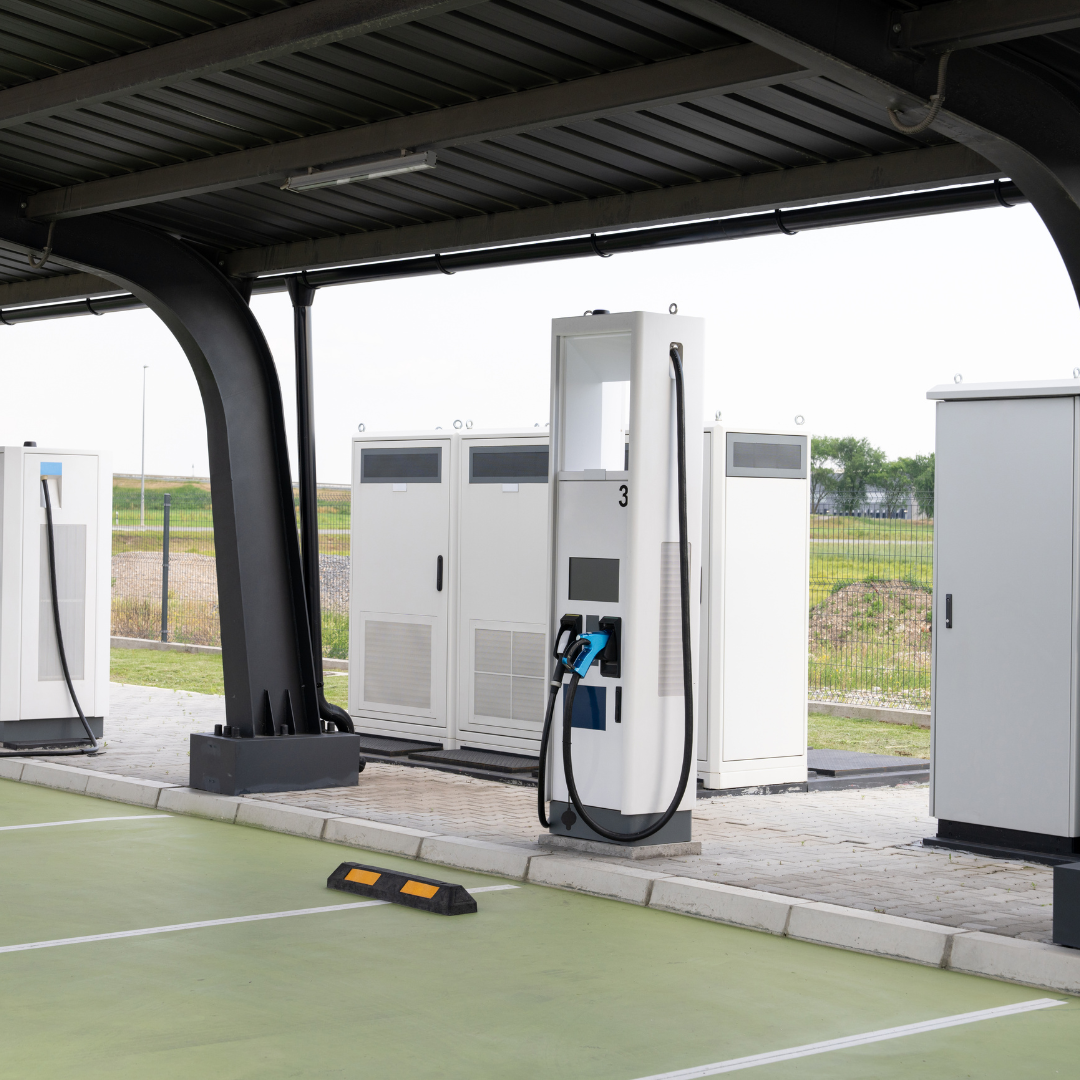
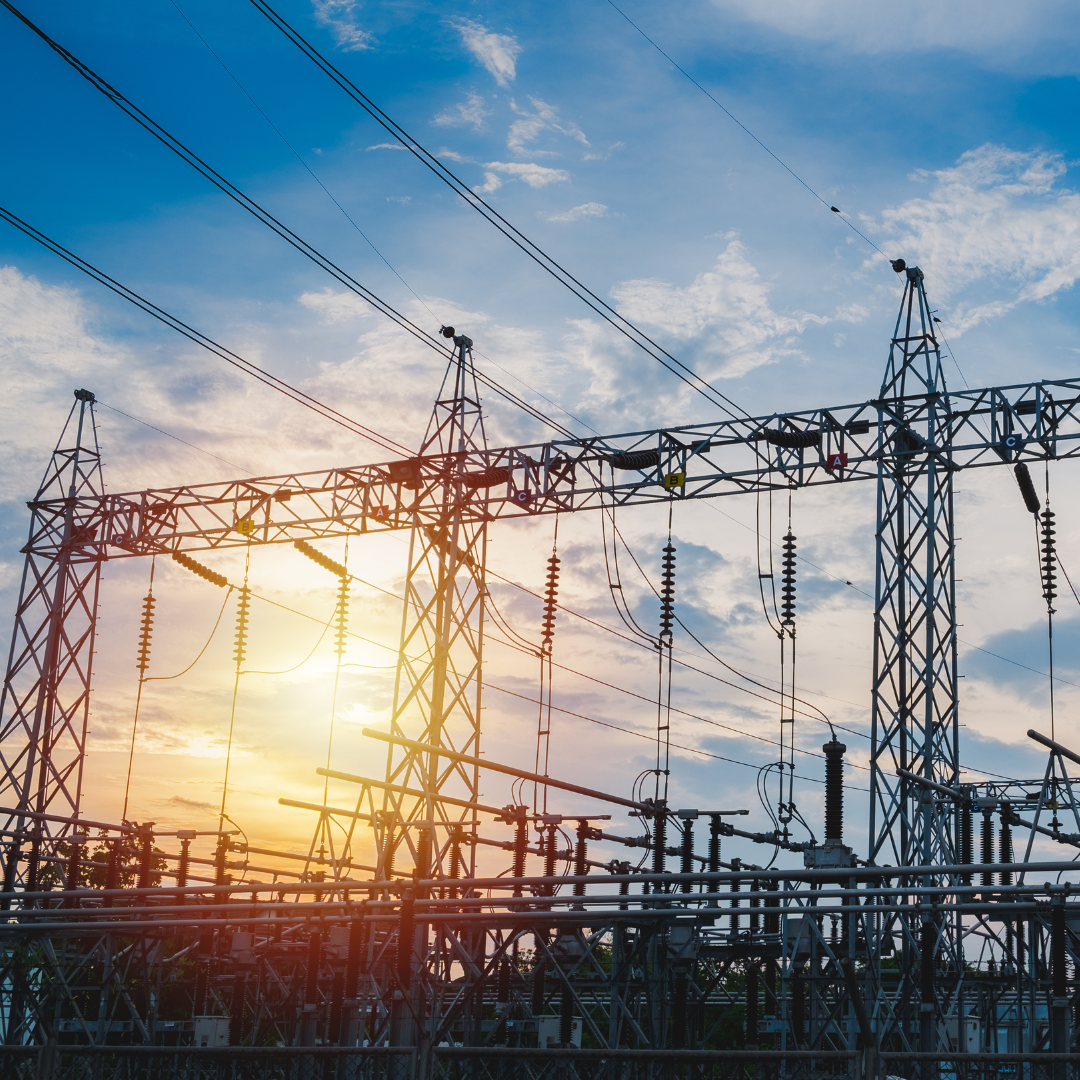
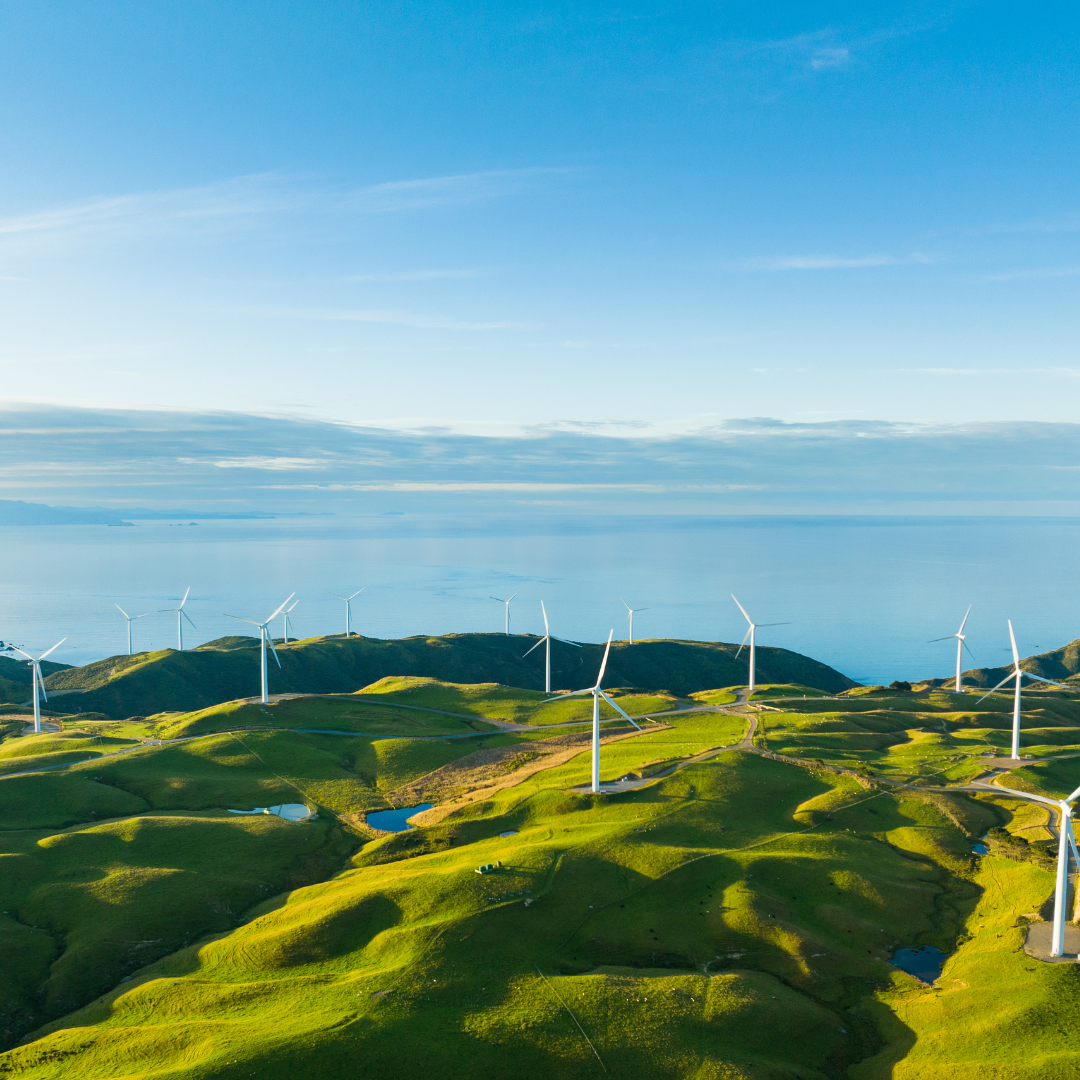
As global energy demands increase and awareness of the importance of clean energy grows, scientists continue to innovate in the search for alternative energy sources. One promising technology is microwave energy harvesting for long-distance storage. This technology offers significant potential in addressing challenges in energy distribution and renewable energy storage. What is Microwave Energy? Microwaves are a type of electromagnetic radiation with a very high frequency. This technology has long been used in communications, such as in microwave ovens and Wi-Fi networks. However, researchers have recently begun exploring the potential of microwaves as an energy carrier. How Does This Technology Work? In simple terms, microwave energy harvesting technology involves the following process: Advantages of Microwave Energy Harvesting Technology Challenges and Recent Developments Despite its great potential, this technology still faces some challenges, such as: However, researchers continue to make efforts to overcome these challenges. Some recent developments include: Potential Applications Microwave energy harvesting technology has a wide range of potential applications, including: Microwave energy harvesting technology offers a highly promising solution to challenges in energy distribution and storage. Although still in the development stage, this technology has the potential to transform the energy landscape in the future. With ongoing research and development, we can hope that this technology will become more mature and ready for widespread application.

Solar Energy: A Bright Future for Energy

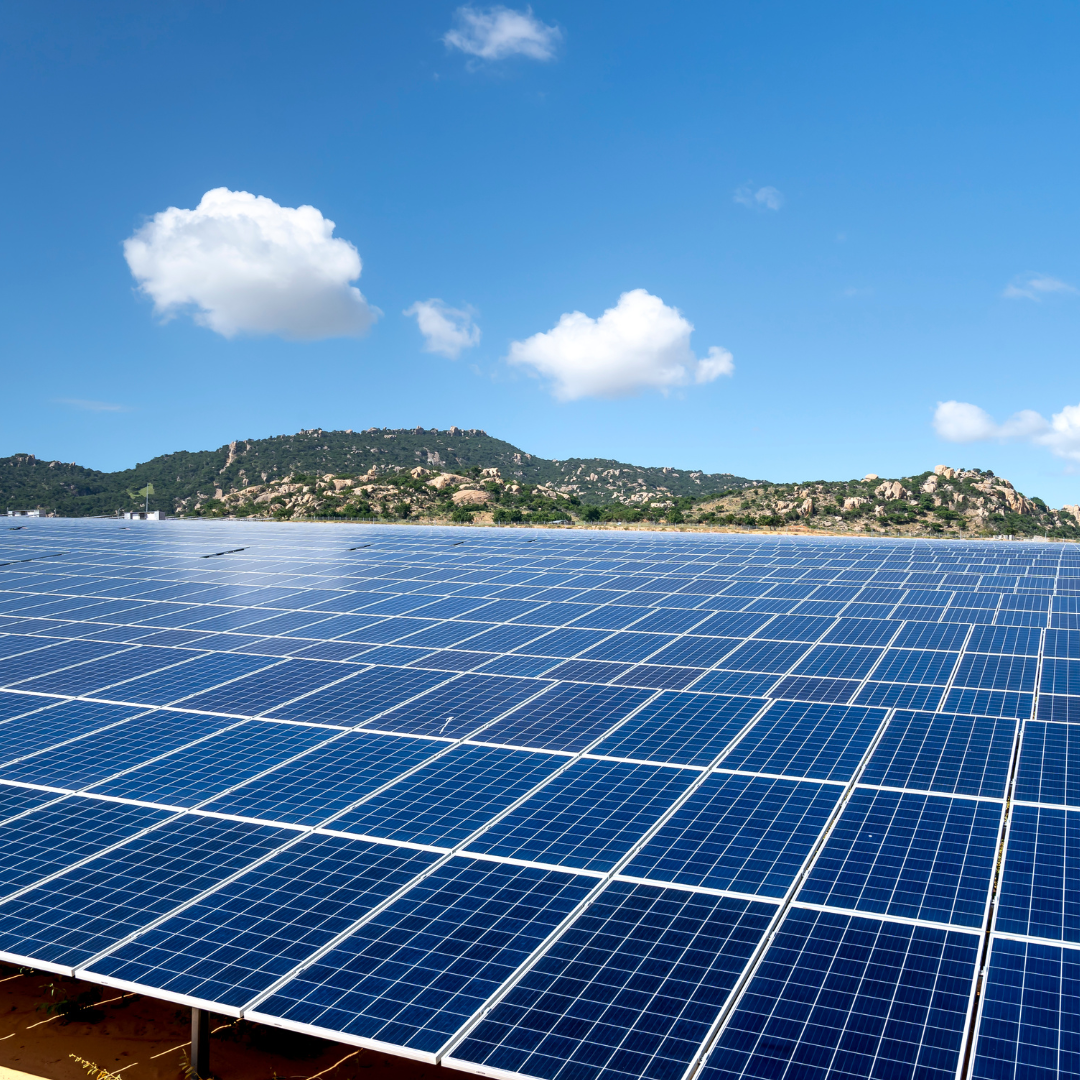
Amidst the global energy crisis and growing environmental awareness, solar energy is increasingly in the spotlight. As an abundant renewable energy source, solar power offers a sustainable solution to meet our energy needs. What is Solar Energy? Solar energy is energy obtained from sunlight. This energy is converted into electricity through solar panels containing photovoltaic cells, which directly transform light energy into electrical energy. Benefits of Solar Energy Environmentally friendly: It does not produce greenhouse gas emissions, helping to reduce the impact of climate change. Sustainable: The sun is an inexhaustible energy source, making solar power a highly sustainable energy source. Low operational costs: After the initial investment for installing solar panels, operational costs are very low. Energy independence: By utilizing solar energy, you can reduce dependence on the public power grid. Solar Energy Technology Solar Panels: The main component in solar energy systems that converts sunlight into electricity. Inverter: Converts the direct current (DC) generated by solar panels into alternating current (AC) that can be used by household electrical appliances. Battery: Stores the electricity generated by solar panels for use at night or during cloudy weather. Applications of Solar Energy Solar energy can be applied in various fields, such as: Solar Power Plants: Generates electricity on a large scale to meet the electricity needs of a region. Solar Water Heaters: Uses solar heat to warm water. Solar-Powered Electric Vehicles: Cars, motorcycles, and other vehicles that use solar energy as their power source. Street Lighting: Street lamps powered by solar energy. Challenges and the Future of Solar Energy Although it offers numerous benefits, solar energy development still faces challenges, such as the relatively high initial investment costs and dependence on weather conditions. However, with advancing technology and government support, solar energy is predicted to become a primary energy source in the future. Solar energy is one of the best solutions to address today’s energy issues. By harnessing abundant and environmentally friendly natural resources, solar energy can make a significant contribution toward creating a more sustainable future.

Innovative App ‘Hospital Center’ Streamlines Medical Access for Consumers

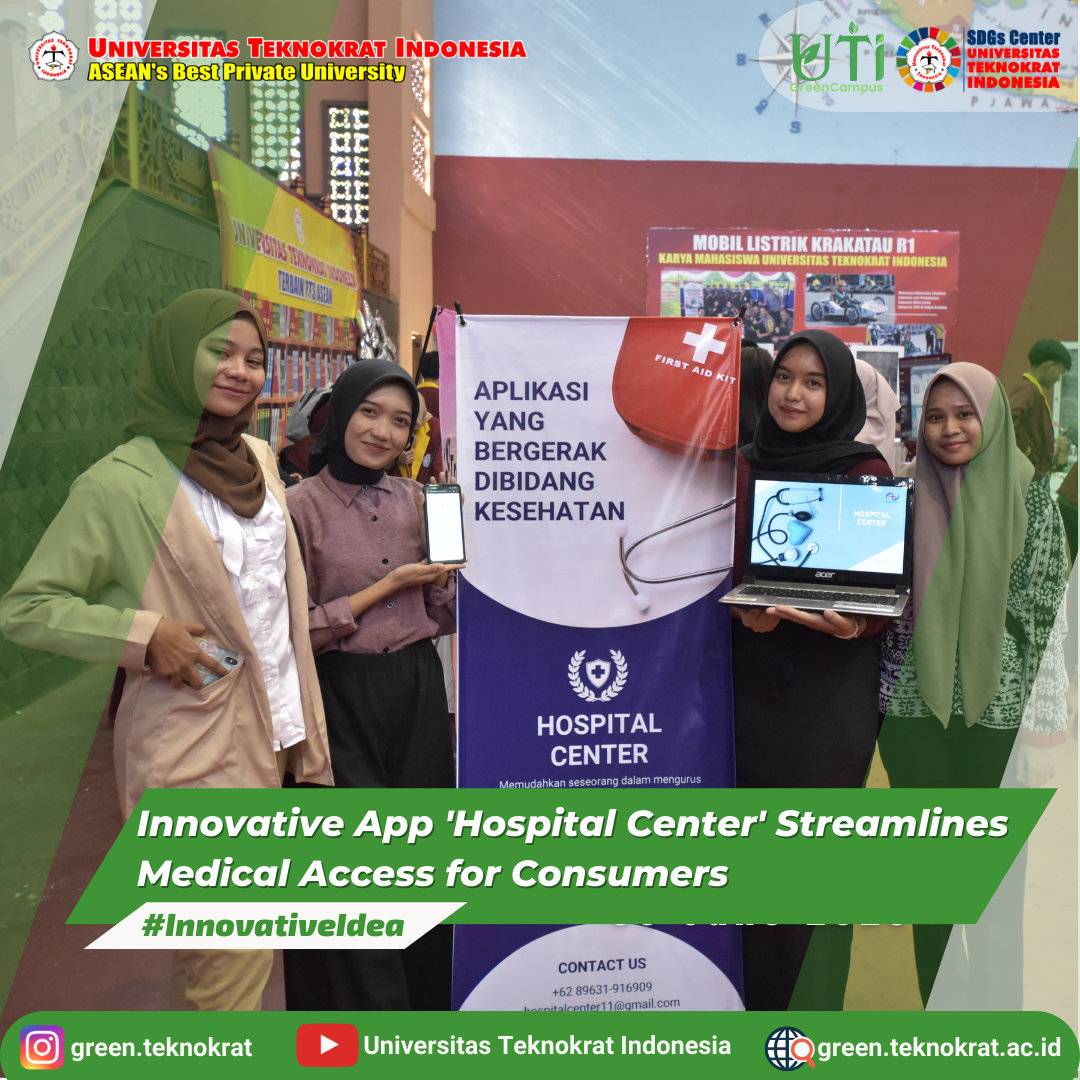
In a groundbreaking development, four talented students from Universitas Teknokrat Indonesia have unveiled their innovative creation, the “Hospital Center” application, aimed at simplifying consumer access to medication, ambulance services, and health documentation. The application was showcased at the prestigious Academic Expo, leaving attendees astounded by its potential to transform healthcare services. The “Hospital Center” app, developed by these brilliant minds, revolutionizes the way consumers interact with healthcare services. With its user-friendly interface, the application allows individuals to conveniently purchase medicines, order ambulance services, and manage their health records—all in one centralized platform. This groundbreaking solution is set to bridge the gap between healthcare providers and consumers, ensuring seamless access to vital services. During the grand Academic Expo, the students captivated the audience with a demonstration of the app’s features and its potential to streamline healthcare operations. Visitors were impressed by its intuitive design and the transformative impact it could have on the healthcare landscape. Lectures hailed the students’ innovative thinking and applauded their commitment to improving healthcare accessibility. Ultimately, Academic Expo is a platform to promote cutting-edge ideas and encourage innovation, providing the perfect setting for launching new innovations such as the “Hospital Center” app. The event facilitates interaction between aspiring innovators and industry professionals, sparking discussions about the future of new technologies. Student creations stand as testament to the university’s commitment to nurturing an entrepreneurial spirit and empowering students to make a difference in society.

How to Establish Smart Campus

What is a Smart Campus? Innovations in technology and changing student behavior, present colleges and universities with new opportunities to improve learning outcomes enhance campus safety and support increased demands on the Network’s. Leading institutions understand the role of facilities as a key differentiator in student and faculty recruitment helping the school achieve its mission and funding goals. Campus administrators IT & facility managers are specifically tasked with the challenge of providing safe and secure settings. network connectivity  Innovative learning environments  functional spaces  Infrastructure interoperability  Creating a safe and secure environment for students, faculty and staff, can be challenging given the balance of open and closed areas around the campus. Deploying a 24/7 crime prevention and Public Safety strategy has never been more important to operating a modern campus environment. Our 6 layered security approach focuses on the campus grounds, building entrance, academic areas, student housing, technical facilities, and comment spaces. A high-performance structured cabling system has never been more important to operating a moderm campus environment. It is essential and universities to support the rapid growth in education connected technology. According to Ed you cause, the majority of students try to connect two devices to the campus network at the same time. Campus connectivity depends upon having of versatile physical layer with carefully plan network. Flexibility universal cabling topology, media selection, wireless mobility and consideration for multi application support.  Attracting top students and faculty to your college or university combined with increased pressure to improve learning outcomes is helping to drive the renewed focus on how technology enhances the campus experience. This presents many challenges to providing empowered learning environments. including ensuring access to content and data, promoting Innovative learning methods, and supporting a BYOD environment. And enhance student experience, can be achieved through Network accessibility personalized communication, visual engagement and access to the various data resources at your facility. Studies have shown the impact of flexible spaces on learning, this research is driving and increase to mind for multi-purpose areas that can be configured different activities and controlled for comfort safety and efficiency. Flexible facilities enhance the productivity of students as well as faculty and staff. Campus environment contain a number of functional spaces, including learning areas, faculty and staff offices, collaborative spaces, technical rooms, and other known academic facilities, mobile and fixed network connectivity professional AV and lighting solution can old assist in creating flexible campus facilities. Enabling the campus internet of things allows you to analyze your environment and make real-time adjustments to improve productivity and efficiency. The five senses of an intelligent aspects include: environmental monitoring  visual management  Communication enablement  Security integration Network connectivity Annexes infrastructure as a platform model provides you with flexibility for budgets and more choices when selecting current and future technology to advance learning enhance the campus  experience and improve your higher education facilities operational efficiency. 

UI Greenmetric 2021: Universitas Teknokrat Indonesia The Best Private Universities in Sumatera

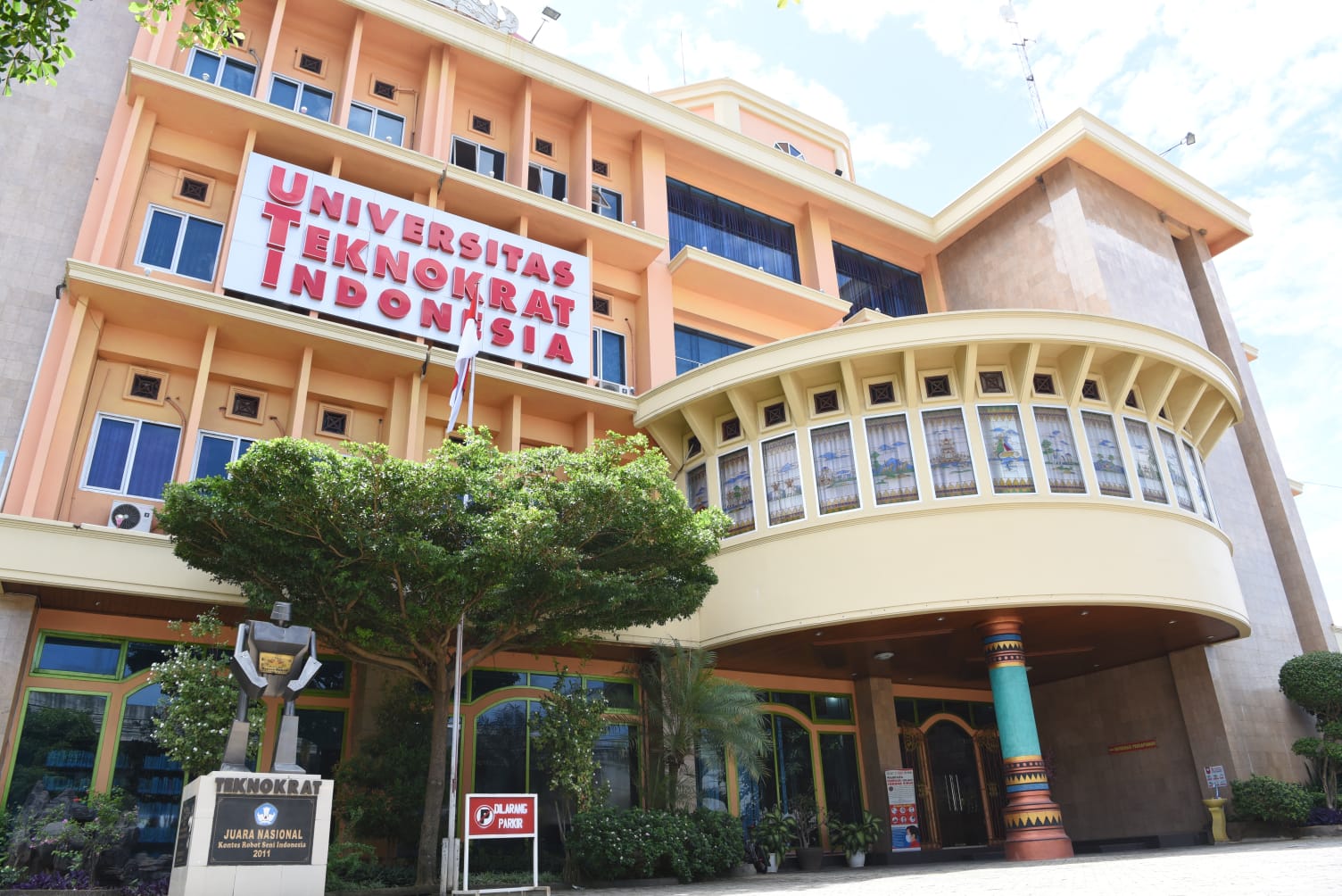
Universitas Teknokrat Indonesia undoubtedly performed very well in its first participation on UI-Greenmetric World University Ranking in 2021. Universitas Teknokrat Indonesia so-called UTI, has been ranked 45th as the best Indonesian University and the 2nd best Private Universities in Sumatera. This ranking is calculated based on the total performance score of six aspects including setting and infrastructure, energy and climate change, waste, water, transportation, education and research. UI-Greenmetric World University Rank is a world university rank focusing on universities’ performance on achieving sustainable development goals. While the whole number of universities participated in this rank is 957, UTI has successfully claimed the 477th position as the best university in the world based on this ranking system. The Vice Rector, Dr. Mahathir Muhammad said that Universitas Teknokrat Indonesia will strive to build academic system that supports research and education done by lecturers and students to achieve the global sustainable development goals. UTI has now been expanding its area and establish green environment to reduce both air and water pollution. In this pandemic situation, it is also worth noticing that UTI has supported local government to reduce the widespread of COVID-19 and become the center of vaccination for people in Bandar Lampung. In addition, UTI has established strategic policy to create system to reduce the use of plastic and paper at campus. With the implementation of “green campus” UTI has started to plant hundreds of new trees every year. View overall UIGreenmetric World University Ranking here

Scroll to top