
Energy-Saving Technology in Mass Transportation: Towards More Sustainable Transport
Mass transportation is the backbone of human and goods movement in urban areas. However, this sector is also one of the largest contributors to greenhouse gas emissions and energy consumption. Therefore, the development of energy-saving technology in mass transportation is crucial to achieving sustainable development goals.
Energy-Saving Technology in Mass Transportation
Several innovative technologies have been developed to improve energy efficiency in mass transportation, including:
- Electric Vehicles:
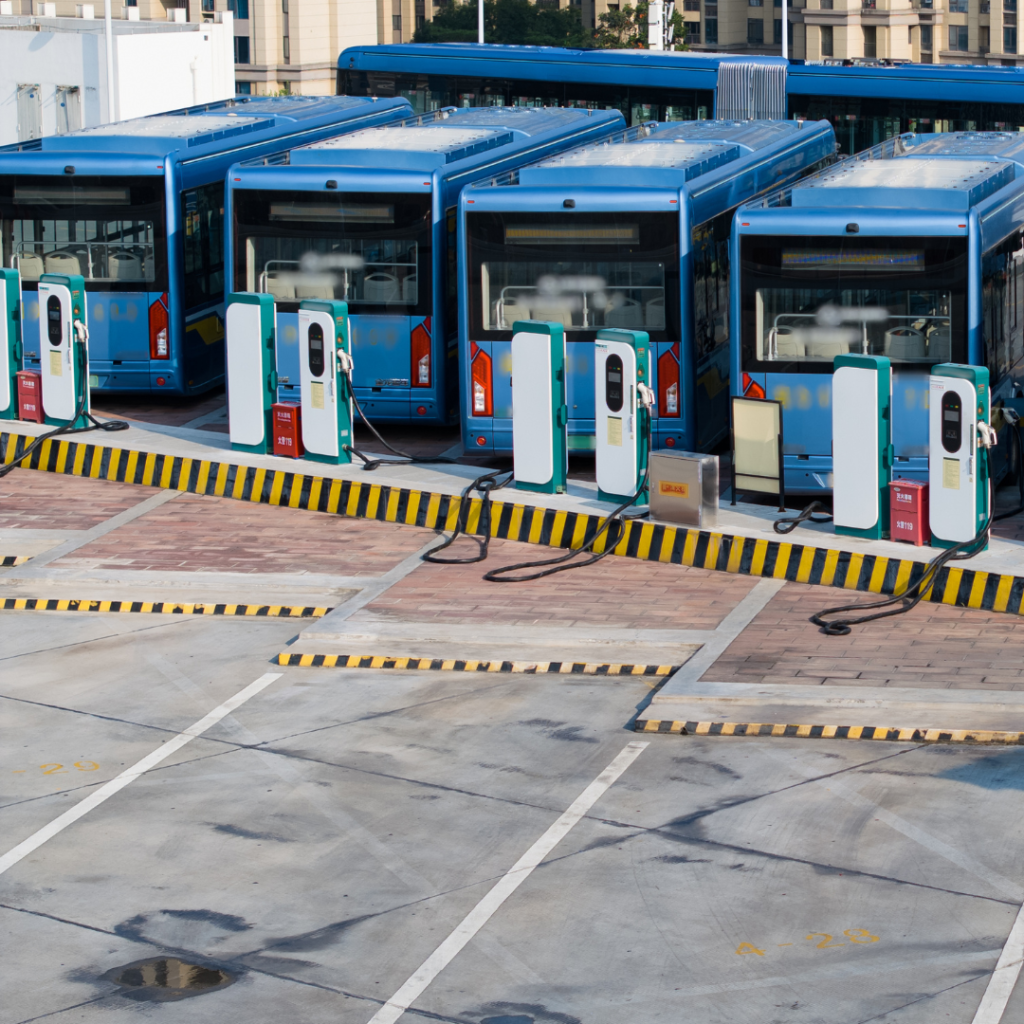
- Electric Buses: The extensive use of electric buses can reduce exhaust emissions and fossil fuel consumption.
- Electric Trains: Electric trains have become a popular choice in many countries due to their high energy efficiency.
- Hybrid Technology:
- Hybrid Vehicles: Combining conventional engines with electric motors, hybrid vehicles offer better fuel efficiency.
- Alternative Fuels:
- Hydrogen: Hydrogen-powered vehicles have the potential for zero emissions but still require adequate infrastructure.
- Biofuel: Biofuel from renewable sources can reduce dependency on fossil fuels.
- Route Optimization:
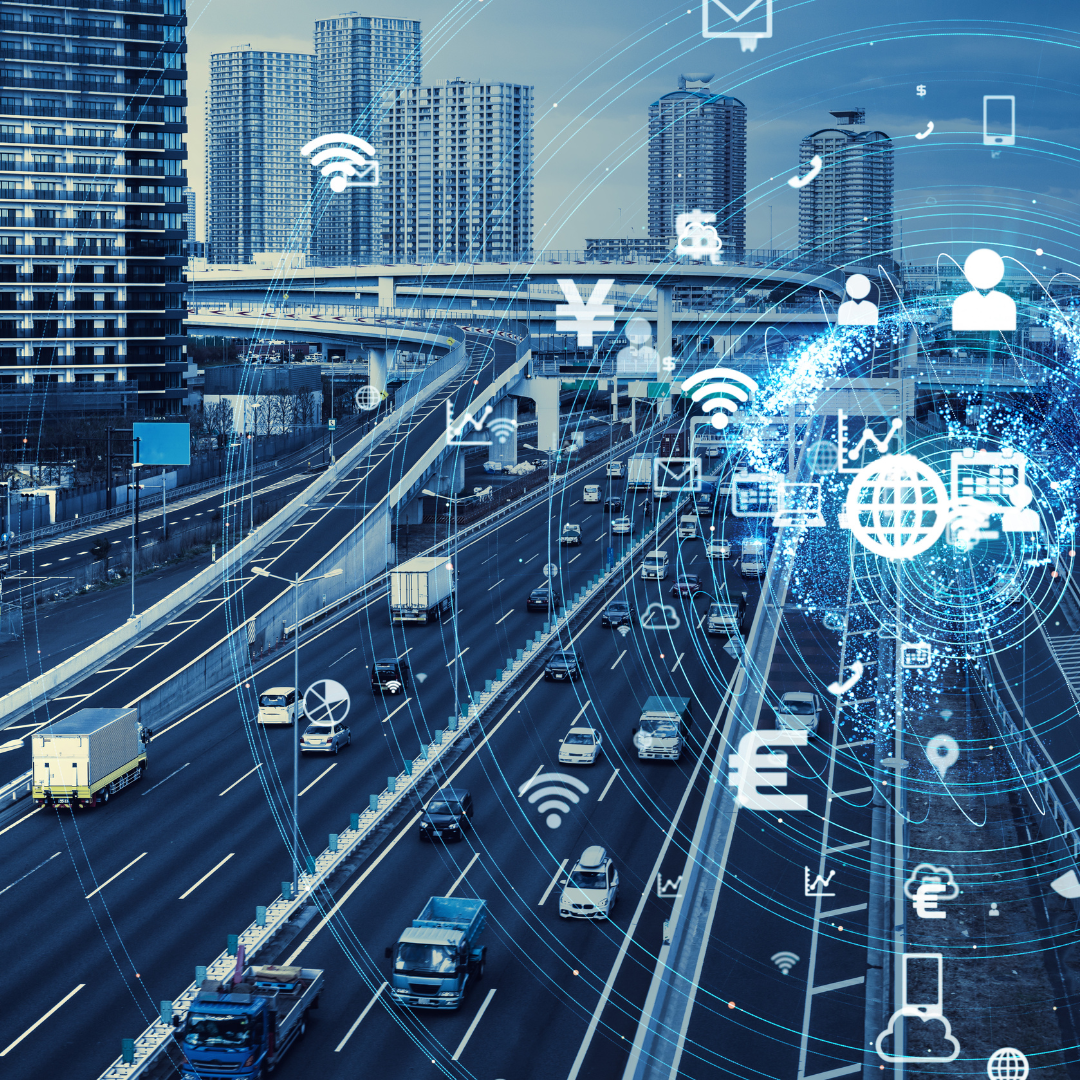
- Intelligent Traffic Management System: By utilizing information technology, this system can optimize vehicle routes and schedules, reducing energy consumption.
- Lightweight Technology:
- Lightweight Materials: The use of lightweight materials like composites in vehicle bodies can reduce vehicle weight and improve energy efficiency.
- Regenerative Systems:
- Regenerative Brakes: This system converts lost kinetic energy during braking into electrical energy that can be stored in batteries.
Benefits of Energy-Saving Technology
The application of energy-saving technology in mass transportation provides various benefits, such as:
- Reduction of Greenhouse Gas Emissions: Mitigating climate change.
- Operational Cost Savings: Reducing fuel and maintenance costs.
- Better Air Quality: Reducing air pollution.
- Lower Energy Dependency: Reducing reliance on fossil fuels.
Challenges and Solutions
Although the potential of energy-saving technology is significant, several challenges still need to be addressed, such as:
- High Initial Investment Costs: Developing infrastructure and procuring electric vehicles require substantial investment.
- Battery Charging Infrastructure Limitations: Adequate battery charging infrastructure for electric vehicles needs to be built.
- User Behavior Change: Education and outreach are required to encourage the public to switch to more environmentally friendly mass transportation.
Solutions:
- Subsidies and Incentives: Governments can provide subsidies and incentives to encourage the adoption of new technologies.
- Public-Private Partnerships: Collaboration between the government and private sector can accelerate the development of infrastructure and technology.
- Research and Development: Ongoing investment in research and development of new technologies.
Energy-saving technology in the field of mass transportation offers a highly promising solution to address environmental and energy issues. With the right policy support and continuous innovation, we can realize more efficient, sustainable, and environmentally friendly mass transportation.
Source: https://dephub.go.id/post/read/menhub-mari-gunakan-transportasi-ramah-lingkungan-untuk-hemat-energi