Universitas Teknokrat Indonesia Academic Expo Showcases “Nutriscane” Innovation Supporting SDGs
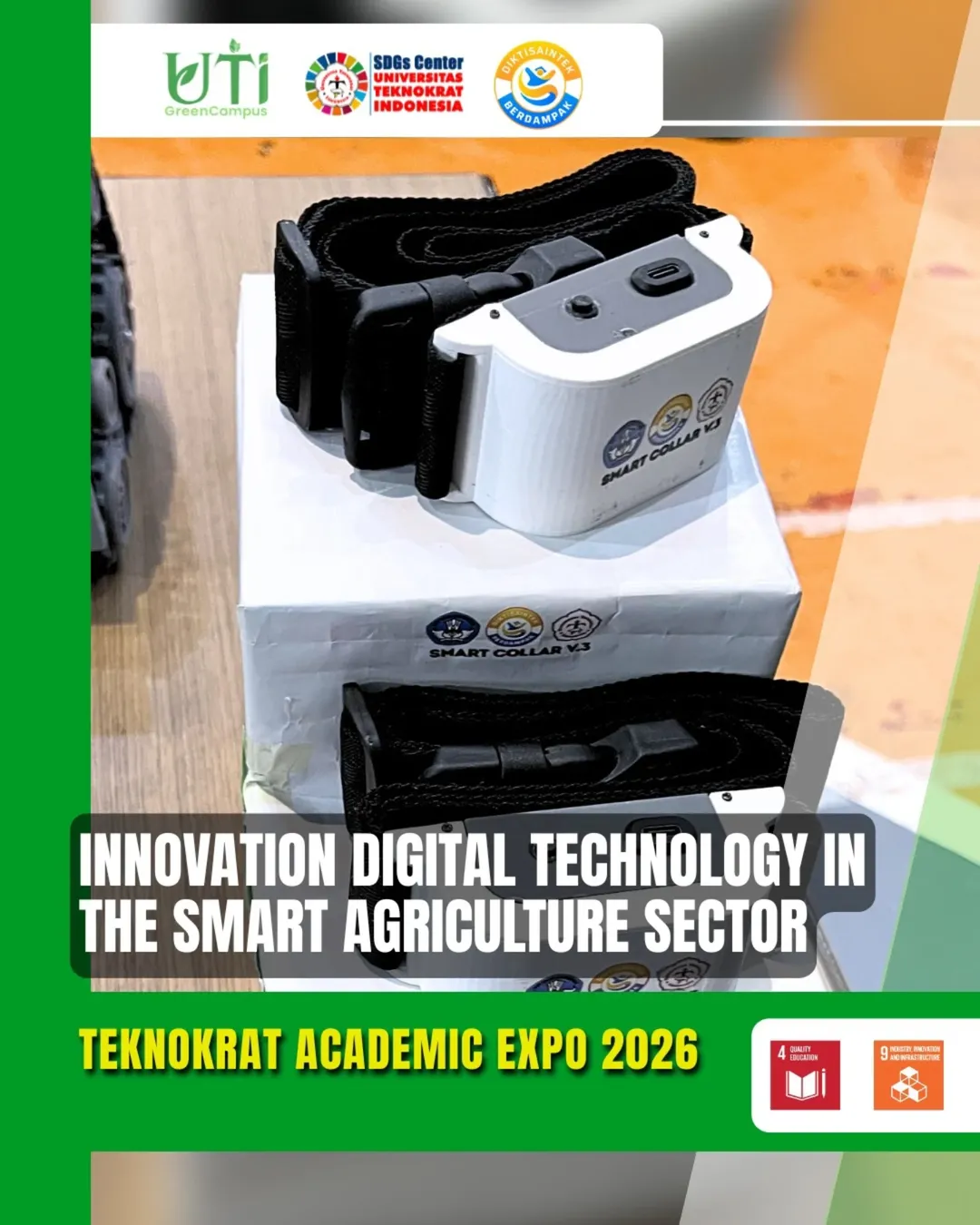
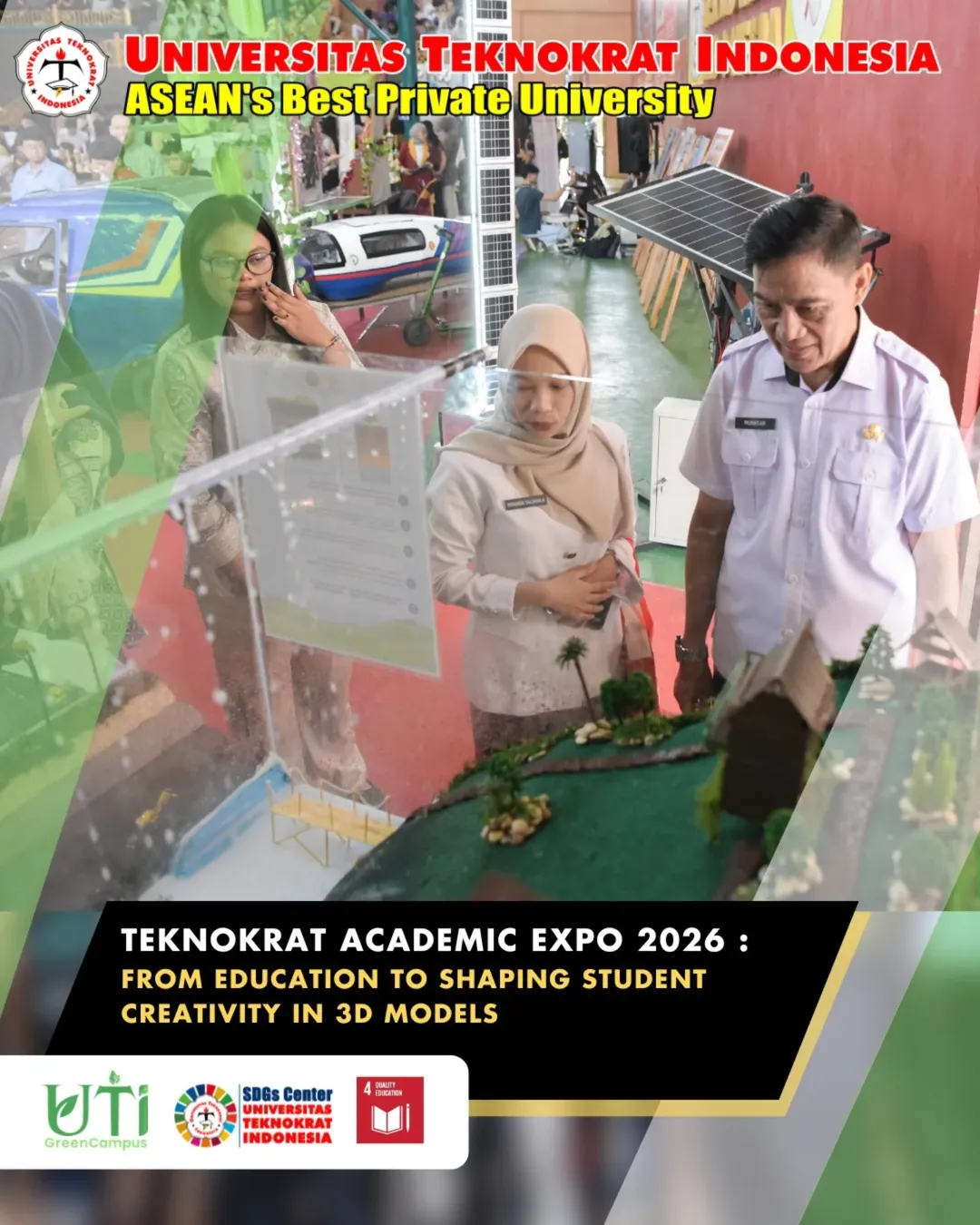
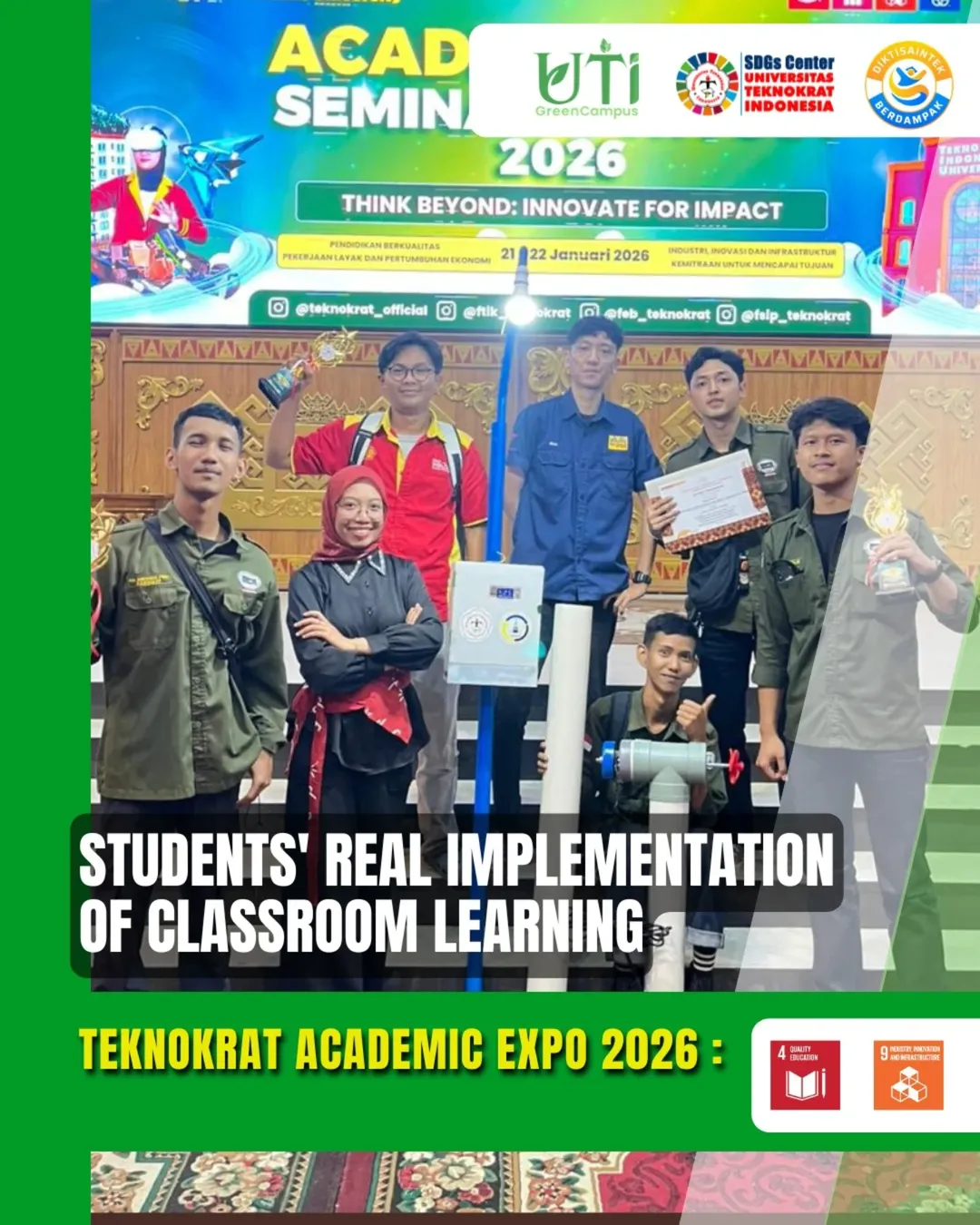
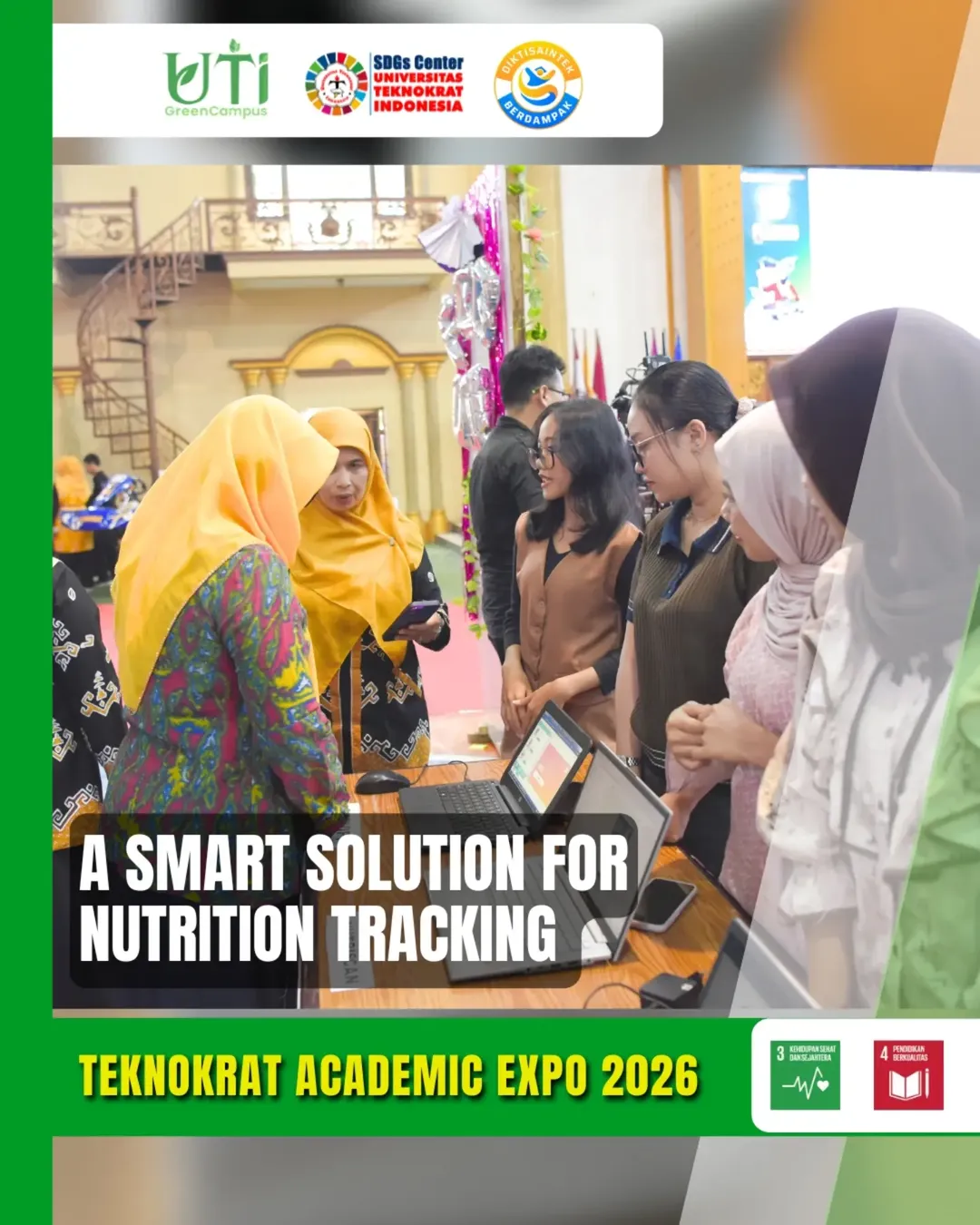
Bandar Lampung – The Academic Expo held by Universitas Teknokrat Indonesia (UTI) once again highlights the university’s strong commitment to fostering innovation and supporting global development goals. This annual event serves as a dynamic platform for students to present their creative works, bridging academic knowledge with real-world applications. Read More : Universitas Teknokrat Indonesia Develops Third-Generation Digital Smart Collar to Advance Smart Livestock Technology More than just an exhibition, the Academic Expo reflects UTI’s dedication to advancing Sustainable Development Goal (SDG) 4: Quality Education, by encouraging students to go beyond theoretical learning. Through this initiative, students are challenged to develop innovative solutions that address contemporary societal issues, particularly in the era of rapid digital transformation. One of the standout innovations presented at this year’s expo is “Nutriscane,” a digital application designed to promote healthier lifestyles through technology. The app introduces a practical barcode scanning feature that enables users to instantly access detailed nutritional information of packaged food products, including calorie count, sugar levels, and fat content. This innovation directly supports SDG 3: Good Health and Well-being, as it empowers individuals to make more informed dietary decisions. In today’s fast-paced lifestyle, where processed and packaged foods are increasingly consumed, Nutriscane provides a smart and accessible solution to help users better manage their daily nutritional intake. The developers of Nutriscane explained that the idea emerged from growing public concern about health issues related to poor dietary habits. By integrating technology with health awareness, the application aims to educate consumers and encourage healthier consumption patterns. “Through Nutriscane, we want to help people become more aware of what they consume every day. Small decisions, such as choosing healthier food options, can have a significant impact on long-term well-being,” said one of the student developers during the expo. The presence of innovations like Nutriscane demonstrates how Universitas Teknokrat Indonesia continues to nurture a generation of students who are not only academically competent but also socially responsive and solution-oriented. The university actively promotes interdisciplinary collaboration, enabling students to combine knowledge from technology, health, and social sciences. Furthermore, the Academic Expo strengthens the synergy between education and innovation by creating an ecosystem where ideas can grow into impactful solutions. It also serves as a stepping stone for students to prepare for future challenges in both national and global contexts. University representatives emphasized that such initiatives are part of UTI’s long-term vision to produce graduates who are ready to contribute meaningfully to society. By aligning student projects with the SDGs, the university ensures that innovation is not only creative but also purposeful. “Nutriscane is more than just a technological product—it represents the spirit of young innovators who care about public health and are eager to make a difference,” a university official stated. Looking ahead, Universitas Teknokrat Indonesia remains committed to supporting student-driven innovations that address real-world problems. The success of Nutriscane serves as an inspiring example of how higher education institutions can play a vital role in shaping a healthier, smarter, and more sustainable society. With continued support and collaboration, innovations like Nutriscane are expected to contribute significantly to public awareness, healthier lifestyles, and national progress in the digital era. Read More: Innovative Learning at Universitas Teknokrat Indonesia: Civil Engineering Students Develop Soil Layer and Hydrological Process Scale Model Support SDGs :