Author : green Teknokrat

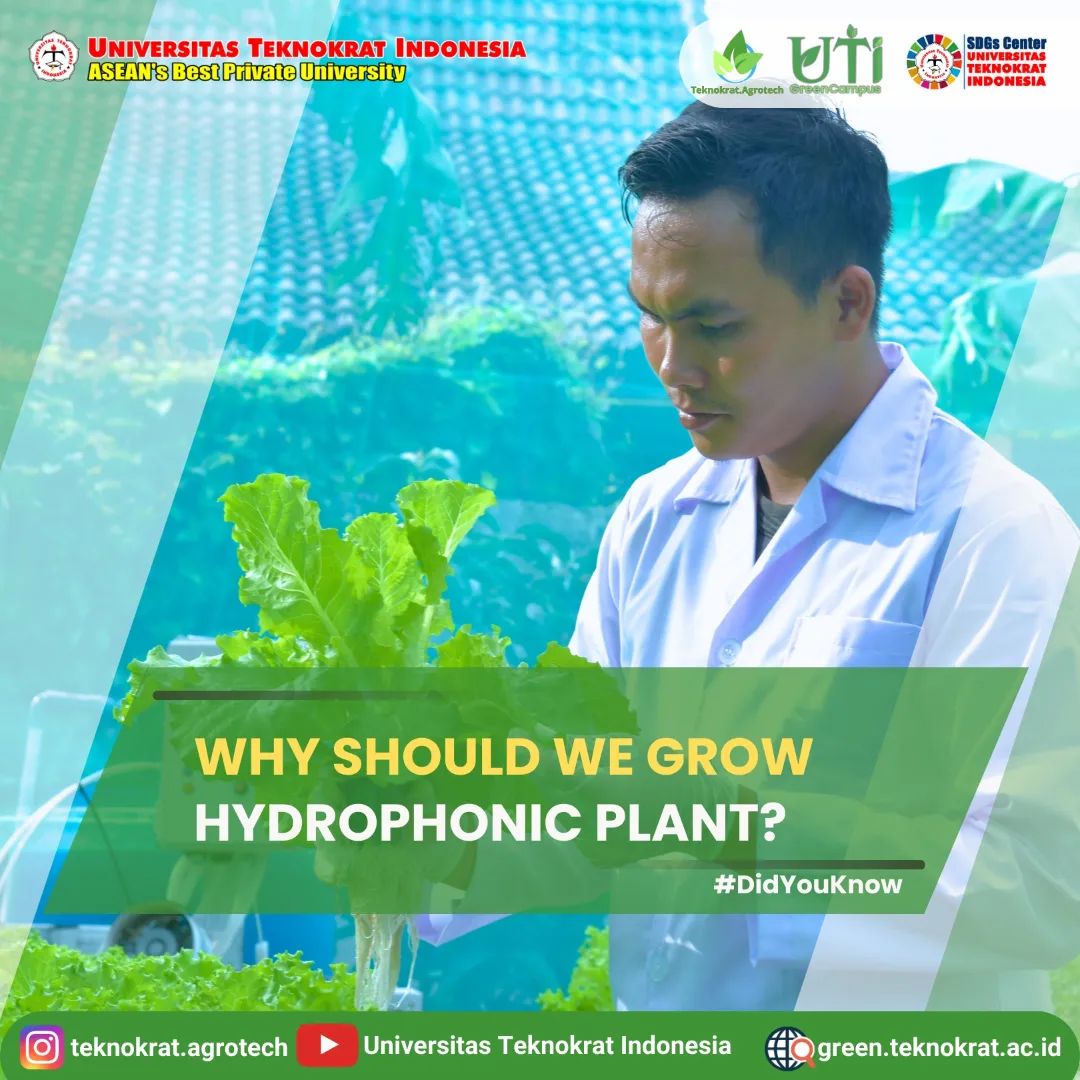
Why Should We Grow Hydroponic Plant?

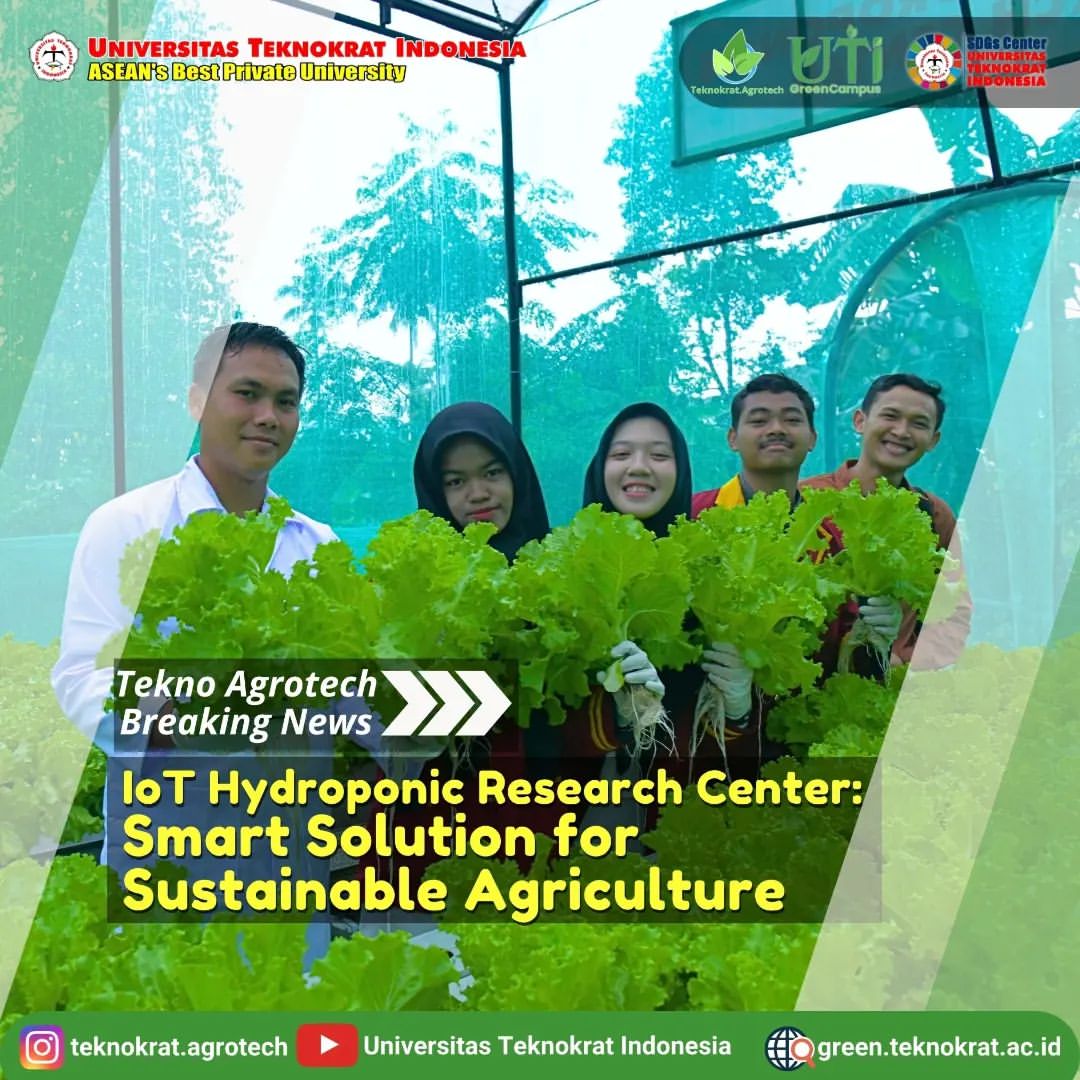
Hydroponics is a method of growing plants without soil, using only water and nutrients. This approach offers several benefits over traditional farming, including: Universitas Teknokrat Indonesia is actively promoting sustainability on campus by creating green spaces and adopting eco-friendly technologies. One such initiative is the development of hydroponic systems on campus. The university has set up a special garden for hydroponic cultivation, managed by students and faculty from the Agrotechnology program. By advancing hydroponics, Universitas Teknokrat Indonesia is helping to protect the environment by conserving water and reducing pesticide and herbicide use. Interested in learning more about hydroponics?

Did You Know All Types of Hydroponics? Part 1

Did you know there are different types of hydroponic systems? Here’s a look at the main ones: 1. NFT (Nutrient Film Technique): 2. DFT (Deep Flow Technique): By adopting hydroponic methods, we can achieve better yields and higher-quality produce, all while minimizing our environmental impact. Let’s work together to create a more sustainable campus!

Did You Know How To Face Climate Change?

Climate change is one of the most pressing challenges the world is currently facing, with serious consequences such as rising sea levels, droughts, and extreme storms. So, what can we do to help tackle climate change? Here are some practical steps we can take! Tip 1: Raise awareness The first step is to become more aware of climate change—its causes, effects, and potential impacts on the planet. Tip 2: Cut down on greenhouse gas emissions Greenhouse gases are a major driver of climate change. To combat this, we can: Tip 3: Adapt to climate change We are already seeing the impacts of climate change, such as flooding, droughts, and storms. It’s important to adapt to these changes by taking steps like building homes on higher ground in flood-prone areas or securing flood insurance. Tip 4: Advocate for eco-friendly policies Governments play a key role in addressing climate change, and we can help by supporting policies that promote environmental sustainability, reduce emissions, and protect natural resources. By taking small, everyday actions, we can all contribute to a significant positive change in the fight against climate change. Let’s start today!

The Impact of Renewable Energy Infrastructure on Local Ecosystems: Between Benefits and Challenges

The transition to renewable energy is a crucial step in addressing the climate crisis. Renewable energy infrastructure, such as solar power plants (SPPs) and wind farms, has been increasingly built in many regions. However, the development of this infrastructure does not come without potential impacts on the environment, particularly on local ecosystems. This article will explore the positive and negative impacts of renewable energy infrastructure on local ecosystems, as well as mitigation efforts that can be undertaken. Positive Impacts Negative Impacts Mitigation Efforts Conclusion Renewable energy infrastructure has great potential to address environmental issues, but it also brings its own set of challenges. With careful planning, appropriate technology selection, and serious mitigation efforts, the negative impacts on local ecosystems can be minimized. It is crucial to strike a balance between the need for energy and environmental protection in the development of renewable energy infrastructure. Sumber : Kementerian Lingkungan Hidup dan Kehutanan Republik Indonesia: Cari laporan atau studi kasus terkait dampak lingkungan pembangunan energi terbarukan di Indonesia.

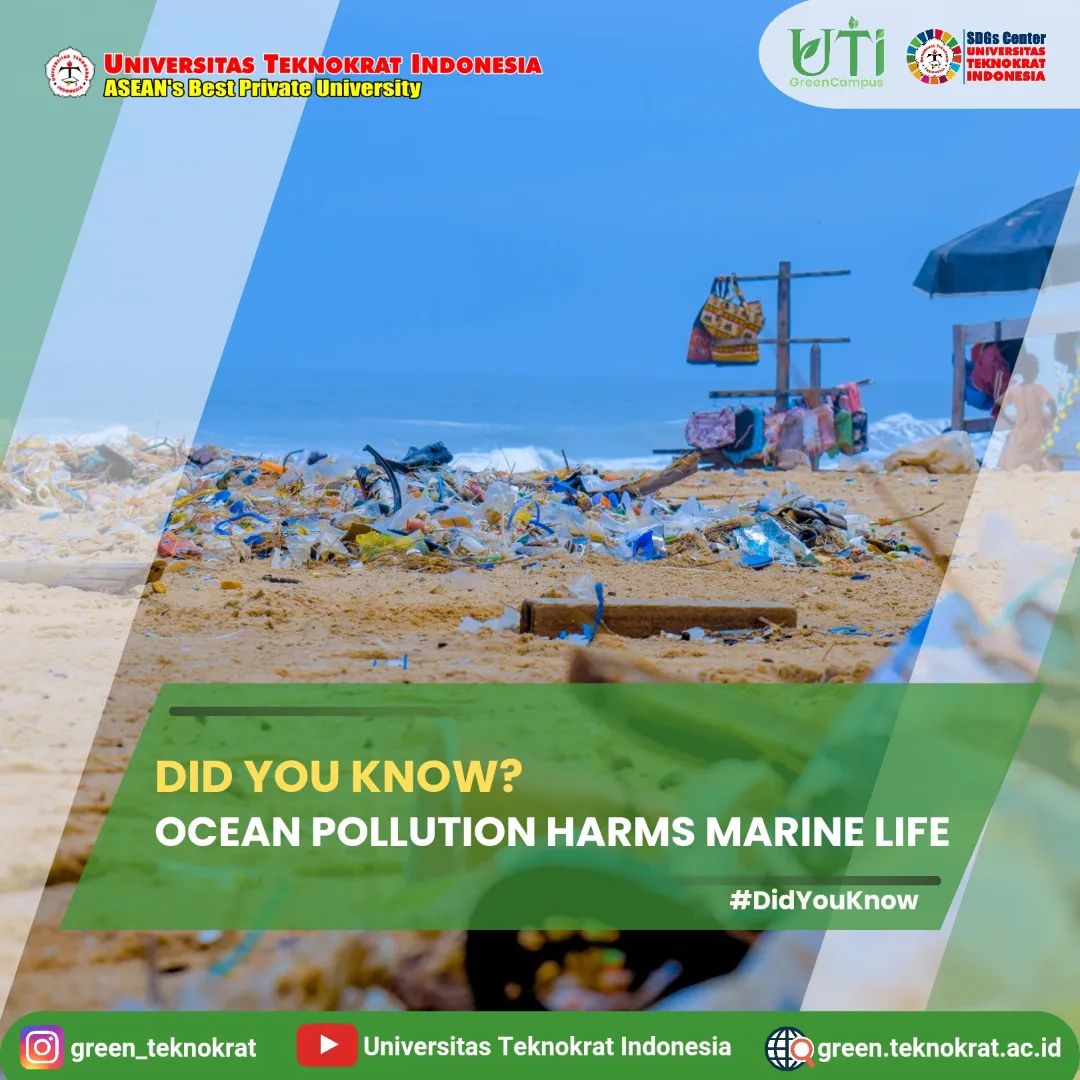
Did You Know? Ocean Pollution Harms Marine Life

Plastic waste is one of the most prevalent pollutants in our oceans, with an estimated 8 million tons of plastic entering the sea each year. Wastewater pollution also harms coral reefs, which are vital ecosystems for various marine species. To protect our oceans and marine life, we can all take steps to reduce pollution. Here are some actions you can take: By working together, we can make a real impact!

Nature’s Gift : Let’s Explore and Conserve

Did you know that nature is one of the greatest gifts from God? It offers us endless beauty, from breathtaking landscapes and fresh air to a diverse range of plants and animals. To appreciate nature’s beauty, let’s explore the world around us. Whether it’s a trip to the park, the mountains, the beach, or even a stroll in our own backyard, we can all find nature’s wonders. Once we discover its beauty, let’s capture those moments and share them with others. Here are 3 key messages about environmental conservation we can spread: Let’s join forces to preserve the beauty of nature for future generations to enjoy!

Pangolins : The World’s Most Hunted Animals

Pangolins: The Most Trafficked Mammal and Their Crucial Role in Ecosystems Did you know that pangolins are the most trafficked mammals in the world? These extraordinary creatures are facing the threat of extinction due to illegal poaching and wildlife trade. All eight species of pangolins are currently endangered. (IUCN, 2023). Pangolins are unique mammals, completely covered in scales, and are nocturnal and solitary by nature. Here’s why pangolins are essential for our ecosystems: On this World Pangolin Day, let’s unite to protect these remarkable animals! Here’s how you can help:

Listen To Her Voice : Amplify Her Story

Raising Awareness for Gender Inequality on International Women’s Day Did you know that women around the world still face significant challenges? March 8th marks International Women’s Day, a day dedicated to highlighting these issues while celebrating the accomplishments of women everywhere. Here are some key facts about gender inequality: These are just a few examples of the challenges women continue to face. Gender inequality is not just a women’s issue—it’s a problem that affects us all. We all have a role to play in achieving gender equality. Here’s how you can make a difference:

Ramadan and SDGS : Building a Better World

How Ramadan Aligns with the Sustainable Development Goals (SDGs) Did you know that Ramadan aligns with the Sustainable Development Goals (SDGs)? Ramadan, a sacred month observed by Muslims around the world, is not just a time for spiritual reflection but also a period that promotes values supporting the SDGs. Here are some ways in which Ramadan contributes to achieving these global goals: By embracing the values of Ramadan, we can all play a part in advancing the SDGs and creating a better, more sustainable future for everyone.

Scroll to top