
Author : green Teknokrat

Cybersecurity in Renewable Energy Systems: Threats and Challenges

The transition to renewable energy is a crucial step in addressing climate change and achieving energy security. However, as reliance on digital technology grows in managing renewable energy systems, the risks of cybersecurity threats also increase. Cyberattacks on energy infrastructure can disrupt power supply, cause financial losses, and even pose a threat to national security. Why Are Renewable Energy Systems Vulnerable to Cyberattacks? Reliance on Digital Technology: Renewable energy systems heavily depend on information and communication technology (ICT), from sensors and controllers to communication networks. This makes them vulnerable to cyberattacks. Large Attack Surface: Renewable energy systems have a broad attack surface, including power grids, IoT devices, and industrial control systems (SCADA). Lack of Cybersecurity Awareness: A lack of awareness about the importance of cybersecurity among stakeholders in the renewable energy industry can create vulnerabilities for attackers. Cybersecurity Threats in Renewable Energy Systems Network Breach: Attackers can infiltrate the networks of renewable energy systems to steal sensitive data, spy on operations, or launch further attacks. Data Manipulation: Data collected by sensors and IoT devices can be manipulated to provide false information to system operators, leading to incorrect decisions. System Sabotage: Cyberattacks can cause disruptions in system operations, such as power outages, equipment damage, or even total system failure. Ransomware: Ransomware attacks can lock access to critical systems or data, forcing organizations to pay a ransom to restore access. Cybersecurity Risk Mitigation Enhanced Network Security: Implementing robust network security measures, such as firewalls, intrusion detection systems, and data encryption. IoT Device Protection: Ensuring that IoT devices connected to renewable energy systems are properly secured, including regular software updates and strong password usage. Cybersecurity Training: Providing cybersecurity training for all personnel involved in managing renewable energy systems. Collaboration with Stakeholders: Building partnerships with government bodies, law enforcement, and related industries to share information and develop responses to cyber threats. Cybersecurity is a challenge that must be addressed in the development and utilization of renewable energy. By increasing awareness and implementing proper security measures, we can protect renewable energy systems from cyber threats and ensure the sustainability of clean energy supply. Sumber : https://www.cnbcindonesia.com/news/20220115171644-4-307637/transisi-energi-terbarukan-rentan-serangan-cyber-bahaya


Innovation in Solar Panel Design: Bringing New Aesthetics to Buildings

Solar panels, once considered unattractive additions to buildings, have evolved into aesthetically pleasing and functional design components. With the growing awareness of the importance of clean and sustainable energy, innovations in solar panel design continue to progress rapidly. Why is Solar Panel Design Important? Integrating solar panels into architecture not only provides environmental benefits but also opens opportunities to create more modern and visually appealing building designs. Here are some reasons why solar panel design has become crucial: Latest Innovations in Solar Panel Design Several recent innovations in solar panel design are worth noting, including: Examples of Solar Panel Integration in Architectural Design Many architects and designers have successfully integrated solar panels into their projects. Some interesting examples include: Challenges and Opportunities in the Future While significant progress has been made, there are still challenges to address in the development of solar panel designs, such as the relatively high production costs and design limitations for certain types of buildings. However, as technology continues to evolve and market demand increases, the opportunities for innovation in solar panel design will continue to expand. Sumber : https://zonaebt.com/panel-surya/panel-surya-dan-desain-arsitektur-estetika-dan-fungsionalitas/

Benefits of Geothermal Energy for Local Communities

Geothermal energy, or heat from the Earth, is an increasingly attractive renewable energy source. Not only is it environmentally friendly, but it also offers a range of benefits for local communities. What is Geothermal Energy? Geothermal energy is derived from the heat of the Earth’s interior. This heat originates from the Earth’s core and can be used to generate electricity or directly for various purposes. Benefits of Geothermal Energy for Local Communities Clean and Renewable Energy Source: Boosting the Local Economy: Utilization for Various Sectors: Energy Independence: Challenges and Solutions Despite its many benefits, geothermal energy development also faces several challenges, such as: To address these challenges, support from the government, private sector, and local communities is essential. Collaboration between different stakeholders is crucial to accelerate geothermal energy development in Indonesia. Geothermal energy has enormous potential to improve the well-being of communities and the environment. By harnessing this abundant natural resource, we can build a more sustainable future. Source: Directorate General of New, Renewable Energy, and Energy Conservation (EBTKE): The official government site providing comprehensive information on geothermal energy in Indonesia.

Renewable Energy: A Sustainable Solution for the Food Processing Industry

The food processing industry is one of the sectors that consumes the most energy. However, with the growing awareness of the importance of sustainability and environmental impact, many food industries are beginning to shift towards more environmentally friendly energy sources—renewable energy. Why is Renewable Energy Important for the Food Industry? Renewable Energy Applications in the Food Industry There are several ways the food industry can utilize renewable energy, including: Successful Implementation Examples Challenges and Solutions While the potential for renewable energy in the food industry is vast, several challenges need to be addressed, including: Renewable energy offers a sustainable solution for the food processing industry. By leveraging the potential of renewable energy, the food industry can reduce environmental impacts, increase energy efficiency, and build a better company image. Sumber : https://foodreview.co.id/blog-5669627-Sistem-Energi-Biomassa-Bagi-Industri-Pengolahan-Pangan.html

Geothermal Energy Exploration and Development Process: Steps Towards Clean Energy

Geothermal energy, or heat from the Earth, is gaining increasing attention as an environmentally friendly renewable energy source. The process of harnessing this energy is complex and involves several stages of exploration and development. Let’s dive deeper into the necessary steps. Exploration Phase Surface Reconnaissance: Exploration Drilling: Feasibility Study: Development Phase Infrastructure Development: Production Drilling: Power Plant Construction: Reinjection: This detailed process highlights the steps required to develop geothermal energy as a viable and sustainable clean energy source.

Financing Challenges for Renewable Energy Projects in Developing Countries

The transition to cleaner and more sustainable energy sources has become an urgent global issue. Renewable energy (RE) offers a promising solution to address climate change and reduce dependence on fossil fuels. However, the implementation of RE projects in developing countries is often hindered by various challenges, particularly in terms of financing. Key Challenges Impact of Financing Challenges Potential Solutions Financing is one of the biggest challenges in renewable energy development in developing countries. To overcome this, collaborative efforts from various stakeholders, including governments, the private sector, international financial institutions, and civil society, are essential. With the right solutions, financing challenges can be addressed, and the energy transition to a more sustainable future can be realized. Sumber : https://www.dml.or.id/kesenjangan-investasi-energi-terbarukan-di-negara-berkembang-tantangan-dan-peluang/

Geothermal Power Plant Technology: Clean Energy from the Earth

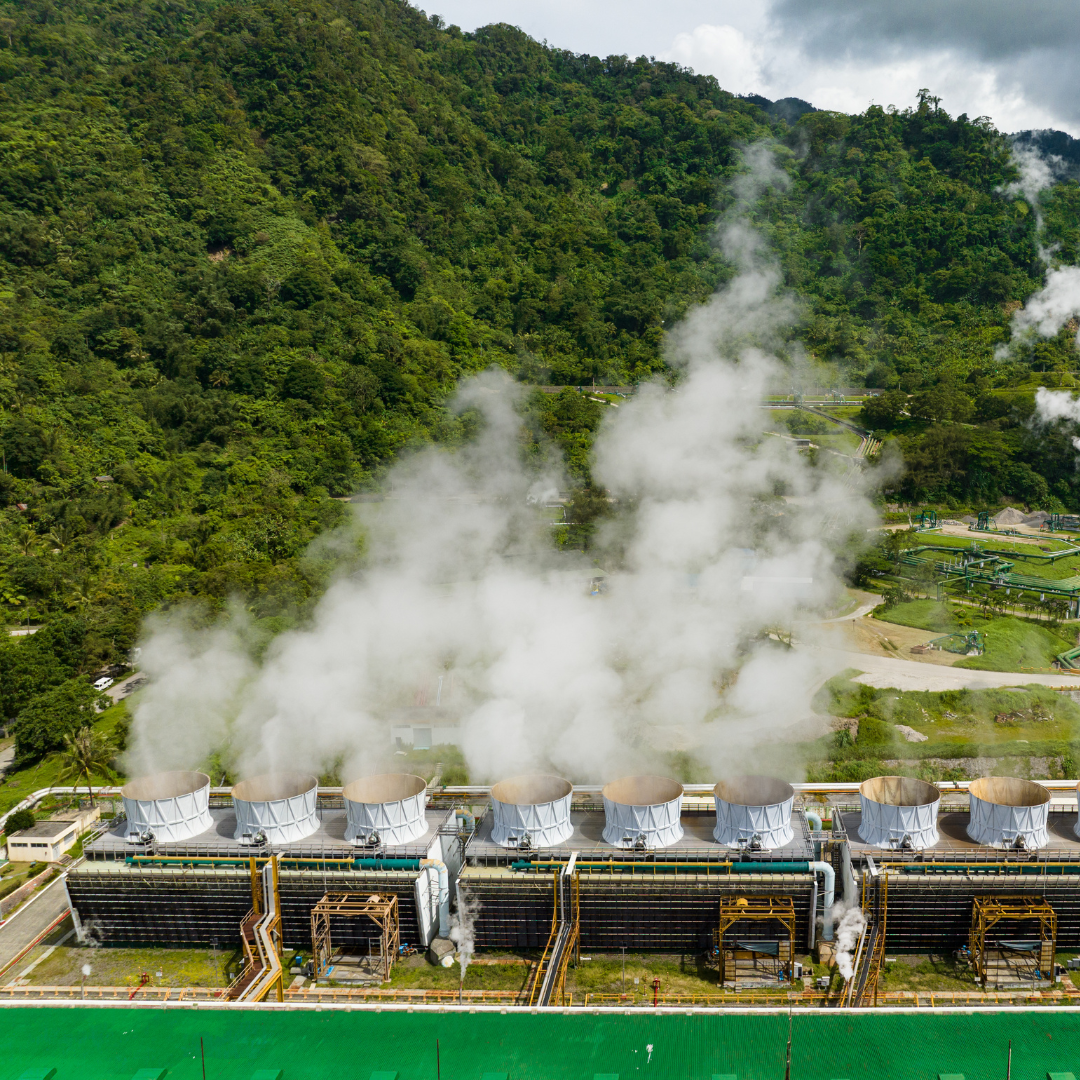
Amid the energy crisis and climate change, the search for clean and sustainable energy sources has become increasingly urgent. One promising alternative is geothermal energy. Geothermal power plant (PLTP) technology harnesses the heat stored inside the Earth to generate electricity. This geothermal energy originates from the Earth’s core and is stored in the form of steam or hot water beneath the surface. How Does a Geothermal Power Plant Work? In simple terms, the process of a geothermal power plant can be described as follows: Types of Geothermal Power Plants There are several types of geothermal power plants based on the conditions of the geothermal fluids being used: Advantages of Geothermal Power Plants Challenges and Development of Geothermal Power Plants Despite its many advantages, the development of geothermal power plants still faces some challenges, including: To overcome these challenges, various efforts are underway, including: Geothermal power plant technology is a highly promising solution for meeting future clean energy demands. With its numerous advantages, geothermal power can serve as the backbone of a sustainable energy system. Source: Ministry of Energy and Mineral Resources (ESDM) of the Republic of Indonesia: [Add link to the official ESDM website regarding geothermal power plants]

The Potential of Ocean Energy for Small Islands: A Sustainable Energy Solution

Small islands often face challenges in meeting their energy needs. Limited access to main power grids and reliance on costly fossil fuels are major obstacles. However, nature provides a highly promising solution: ocean energy. Understanding Ocean Energy Ocean energy is derived from various movements in the sea, such as: The Potential of Ocean Energy for Small Islands Challenges and Solutions While ocean energy has great potential, several challenges must be addressed, such as: Addressing these challenges requires collaborative efforts among government, private sectors, and local communities. Potential solutions include: Conclusion Ocean energy offers great potential to meet the energy needs of small islands. With the right policy support and sustainable technological advancements, ocean energy can become a clean, sustainable, and independent energy solution. Sumber : Jurnal Ilmiah Kelautan dan Perikanan: POTENSI ENERGI ARUS LAUT UNTUK PEMBANGKIT TENAGA LISTRIK DI PULAU-PULAU KECIL (Studi :Pulau Mantang di Bintan, Pulau Abang di Batam, dan Pulau Sugi di Karimun, Propinsi Kepulauan Riau)

The Potential of Geothermal Energy in Indonesia: A Promising Hidden Treasure

Indonesia: The World’s Geothermal Paradise Indonesia, located along the Pacific Ring of Fire, has an enormous geothermal energy potential. The country is blessed with abundant natural resources, one of which is geothermal energy. This potential makes Indonesia one of the countries with the largest geothermal reserves in the world, estimated to account for approximately 40% of the global total. What is Geothermal Energy? Geothermal energy is heat energy derived from the Earth’s interior. This heat is generated by the radioactive decay of elements in the Earth’s core. The steam produced from heating underground water by geothermal heat can then be harnessed to generate electricity. Geothermal Potential in Indonesia According to data from the Ministry of Energy and Mineral Resources (ESDM), Indonesia’s geothermal potential reaches 23,766 Gigawatts (GW). This potential is spread across various regions of Indonesia, including Sumatra, Java, Bali, Nusa Tenggara, Kalimantan, Sulawesi, Maluku, and Papua. Advantages of Geothermal Energy Challenges and Opportunities Despite its enormous potential, the development of geothermal energy in Indonesia still faces several challenges, including: However, the geothermal energy potential in Indonesia also presents significant opportunities, such as: Geothermal energy is one of the solutions to meet Indonesia’s growing energy needs. With its immense potential and various benefits, the development of geothermal energy should continue to be promoted. The government, private sector, and society need to collaborate to overcome the existing challenges and maximize the potential of geothermal energy in Indonesia. Source: Ministry of Energy and Mineral Resources (ESDM): [Add link to the official ESDM website containing geothermal potential data in Indonesia]

The Use of Renewable Energy in the Tourism Sector: Moving Towards More Sustainable Destinations

Tourism, as one of the fastest-growing sectors, has a significant impact on the environment. With increasing awareness of the importance of sustainability, the tourism sector is shifting towards more eco-friendly practices. A crucial step in this direction is the adoption of renewable energy. Why is Renewable Energy Important in the Tourism Sector? Examples of Renewable Energy Use in Tourist Destinations Challenges and Solutions Solutions: The use of renewable energy in the tourism sector is a crucial step toward a more sustainable future. With its many benefits, renewable energy is not only good for the environment but can also enhance the appeal of tourist destinations. Sumber : Solarkita.com: Energi Terbarukan di Sektor Pariwisata: Menuju Destinasi Ramah Lingkungan

Scroll to top