
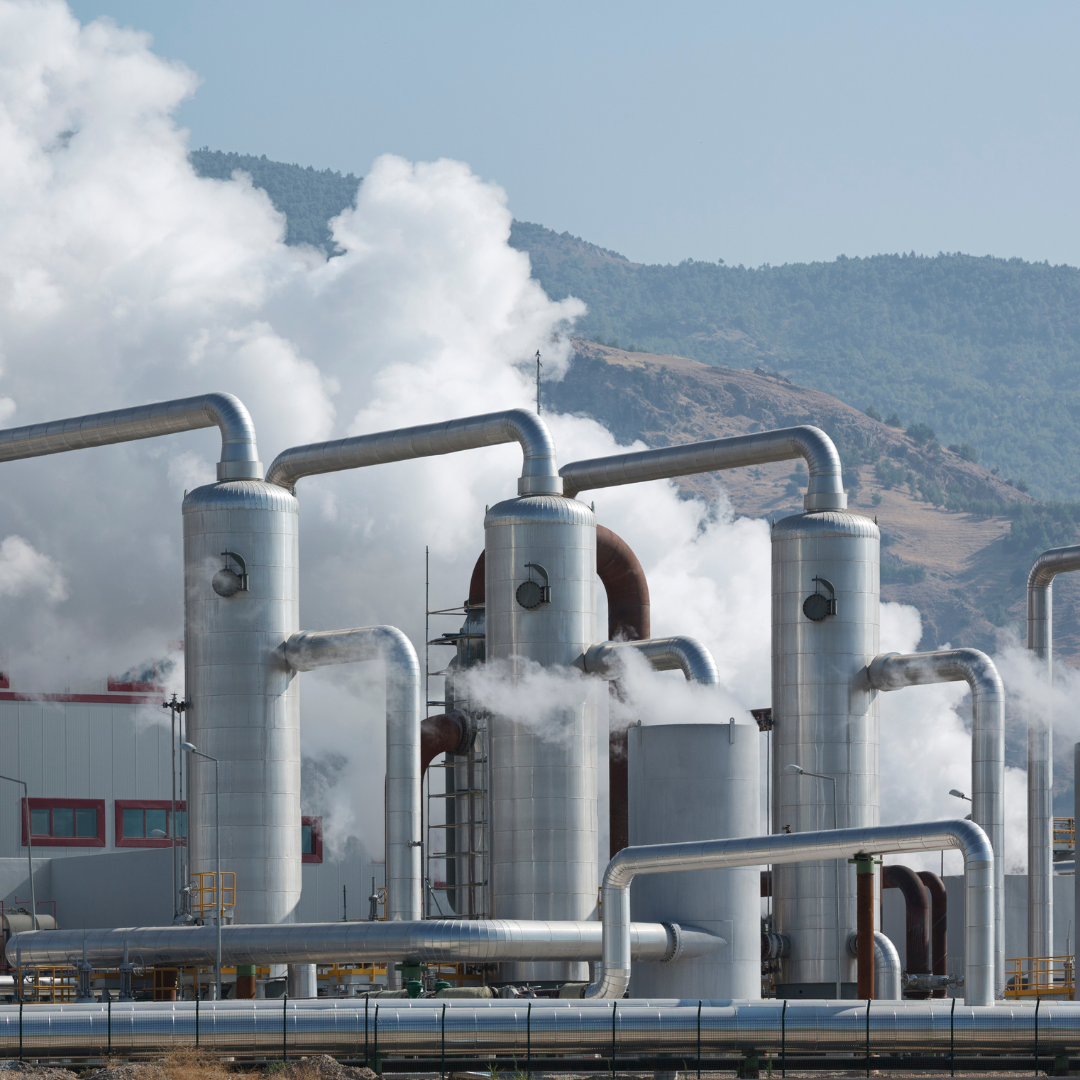
Geothermal Heat Pump Technology: An Efficient Solution for Heating and Cooling
As the world moves towards more sustainable energy sources, geothermal-based heat pump technology is gaining increasing attention. This system utilizes the stable heat from the Earth throughout the year to provide both heating and cooling for buildings. This article will delve into how this technology works, its benefits, and the challenges it faces.
How Geothermal Heat Pumps Work
A geothermal heat pump operates on the principle of heat transfer. The system consists of the following components:
- Closed Loop: A network of pipes buried in the ground or submerged in water.
- Heat Transfer Fluid: A liquid circulating through the pipes that absorbs or releases heat.
- Heat Pump Unit: A device that moves heat between the fluid and the building’s interior.
Working Process:
- Heating: In winter, the fluid absorbs heat from the relatively warmer ground. This heat is then pumped into the building by the heat pump unit.
- Cooling: In summer, the process is reversed. Heat from inside the building is transferred to the fluid and then discharged back into the ground.
Benefits of Geothermal Heat Pumps
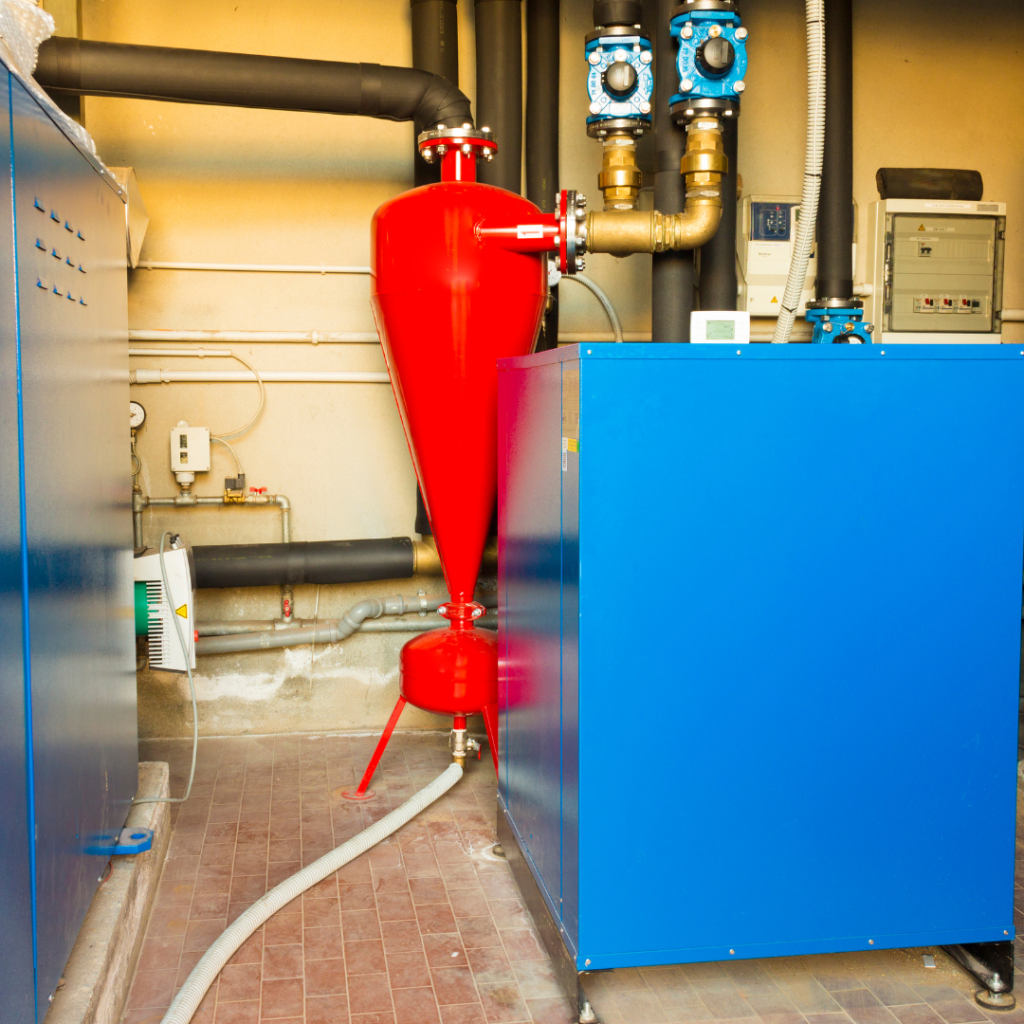
- Energy Efficiency: Geothermal heat pumps are much more efficient than conventional heating or cooling systems because they harness free geothermal energy.
- Environmentally Friendly: These systems produce no greenhouse gas emissions, reducing their environmental impact.
- Reliability: Ground temperatures remain relatively stable throughout the year, so geothermal heat pumps tend to provide more consistent performance.
- Long Lifespan: With proper maintenance, a geothermal heat pump system can last up to 25 years or more.
- Property Value: Installing a geothermal heat pump can increase the market value of a property.
Challenges and Considerations
- Initial Cost: The upfront installation cost of a geothermal heat pump is higher compared to conventional systems. However, operational costs are much lower in the long run.
- Space for the Loop: Installing the loop requires adequate space, whether on land or in water.
- Availability of Technicians: Not all technicians are skilled in installing and maintaining geothermal heat pumps.
Potential in Indonesia
Indonesia has vast potential for geothermal energy utilization. With its favorable geographical conditions, geothermal heat pump technology could be an excellent solution for meeting energy needs in Indonesian buildings, particularly in tropical regions.
Geothermal heat pumps offer a promising technology for a more sustainable future. Given the various benefits they offer, this technology should be considered as an alternative to conventional heating and cooling systems.
Sumber : SainsGuru: https://sainsguru.com/pompa-kalor-geothermal-pompa-kalor-sumber-tanah/