
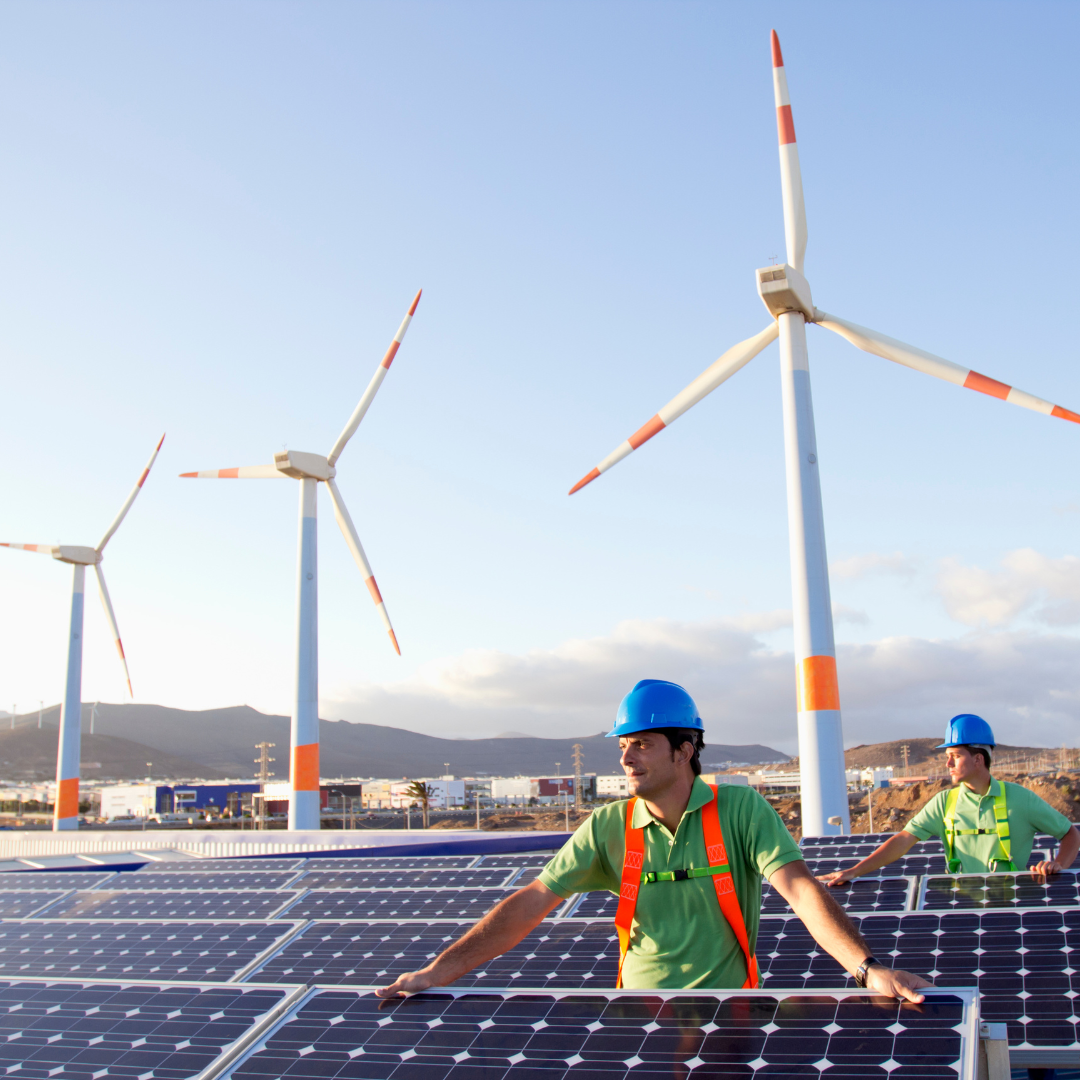
Development of Renewable Energy Distribution Networks: Towards a Sustainable Future
Technological advancements and growing environmental awareness are driving the world to shift toward cleaner, more sustainable energy sources. Renewable energy, such as solar, wind, and hydro, is increasingly used to meet energy demands. However, the optimal utilization of renewable energy depends not only on resource availability but also on the adequacy of distribution network infrastructure.
Challenges in Developing Renewable Energy Distribution Networks
Developing renewable energy distribution networks faces several challenges, including:
- Intermittency: Renewable energy sources like solar and wind are intermittent, meaning their production is unstable and dependent on weather conditions. This requires efficient energy storage systems and flexible transmission networks.
- Geography: Renewable energy sources are often located in remote areas far from conventional power generation centers. Building distribution networks in these regions requires high costs and complex infrastructure.
- Technology: The technology used in renewable energy distribution networks is continually evolving. Integrating new technology into existing systems requires thorough planning and significant investment.
- Regulation: Policies and regulations supporting renewable energy development need continuous improvement to align with technological advancements and market demands.
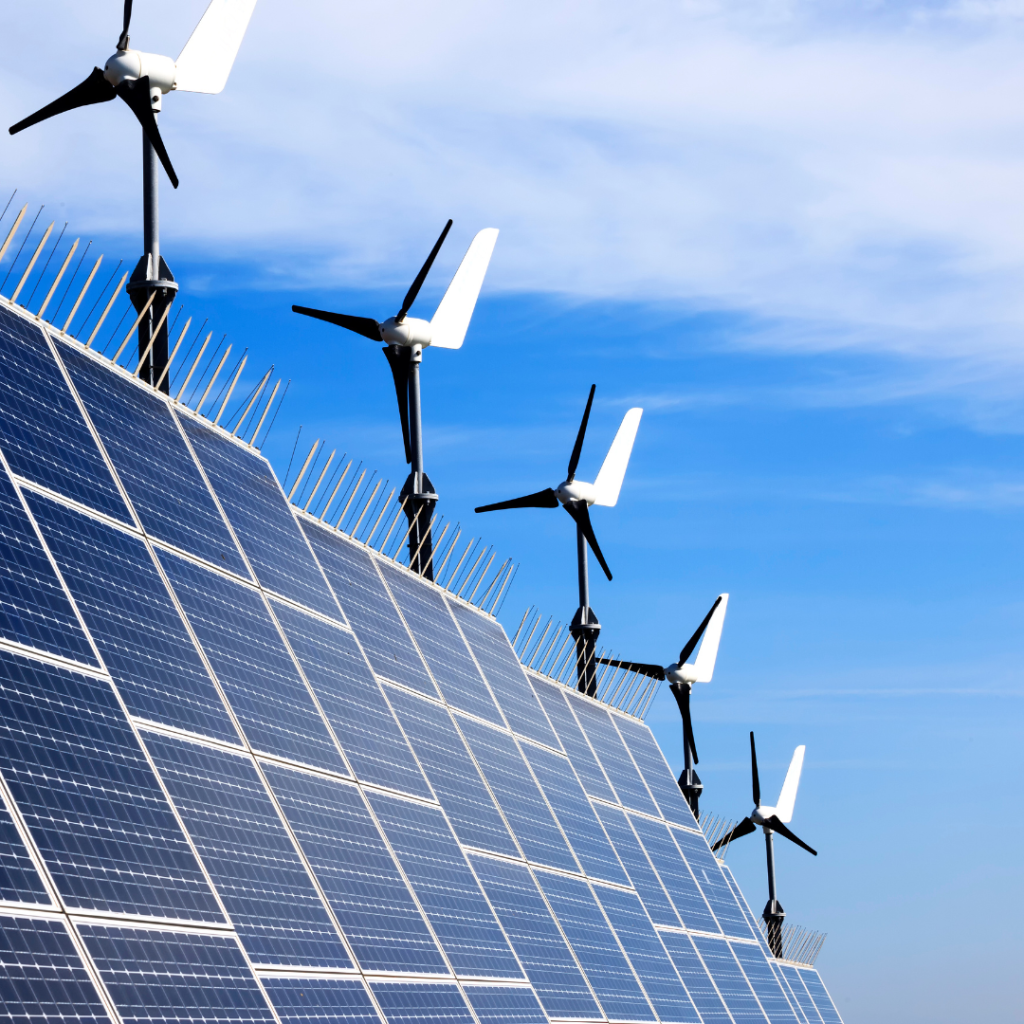
Opportunities and Solutions
Despite these challenges, developing renewable energy distribution networks presents many opportunities:
- Increased Energy Independence: By building renewable energy distribution networks, regions can reduce dependence on centralized energy supplies and enhance energy independence.
- Job Creation: Developing renewable energy infrastructure will create new job opportunities across various sectors, from manufacturing to installation.
- Technological Innovation: The development of renewable energy distribution networks encourages technological innovation in energy storage, network management, and system monitoring.
Some solutions to address the challenges in developing renewable energy distribution networks include:
- Smart Grid: Implementing smart grid technology enables more efficient and intelligent grid management, facilitating better integration of renewable energy sources.
- Energy Storage Systems: Using batteries and other energy storage systems can address the intermittency of renewable energy.
- Multi-Party Collaboration: Involving various stakeholders, such as the government, energy companies, and the public, is crucial to accelerate the development of renewable energy distribution networks.
Building renewable energy distribution networks is a crucial step toward a more sustainable future. Despite the challenges, this sector offers immense opportunities. With the right investments, technological innovation, and robust policy support, Indonesia can become a leader in renewable energy development in Southeast Asia.
Source : https://www.irena.org/