

The Role of Renewable Energy in Marine Ecosystem Conservation
Marine ecosystems, often referred to as the lungs of the Earth, play a crucial role in maintaining global climate balance. However, human activities such as offshore oil drilling, industrial waste disposal, and the use of fossil fuels have threatened the survival of marine ecosystems. In efforts to preserve the oceans, renewable energy has emerged as an environmentally friendly solution.
Negative Impacts of Conventional Energy on Marine Ecosystems
- Oil Pollution: Oil spills from tankers or oil rigs can cause mass death of marine life and damage coastal ecosystems.
- Greenhouse Gas Emissions: The burning of fossil fuels for electricity generation releases greenhouse gases that contribute to global warming and climate change. This leads to rising sea surface temperatures, ocean acidification, and increased frequency and intensity of storms.
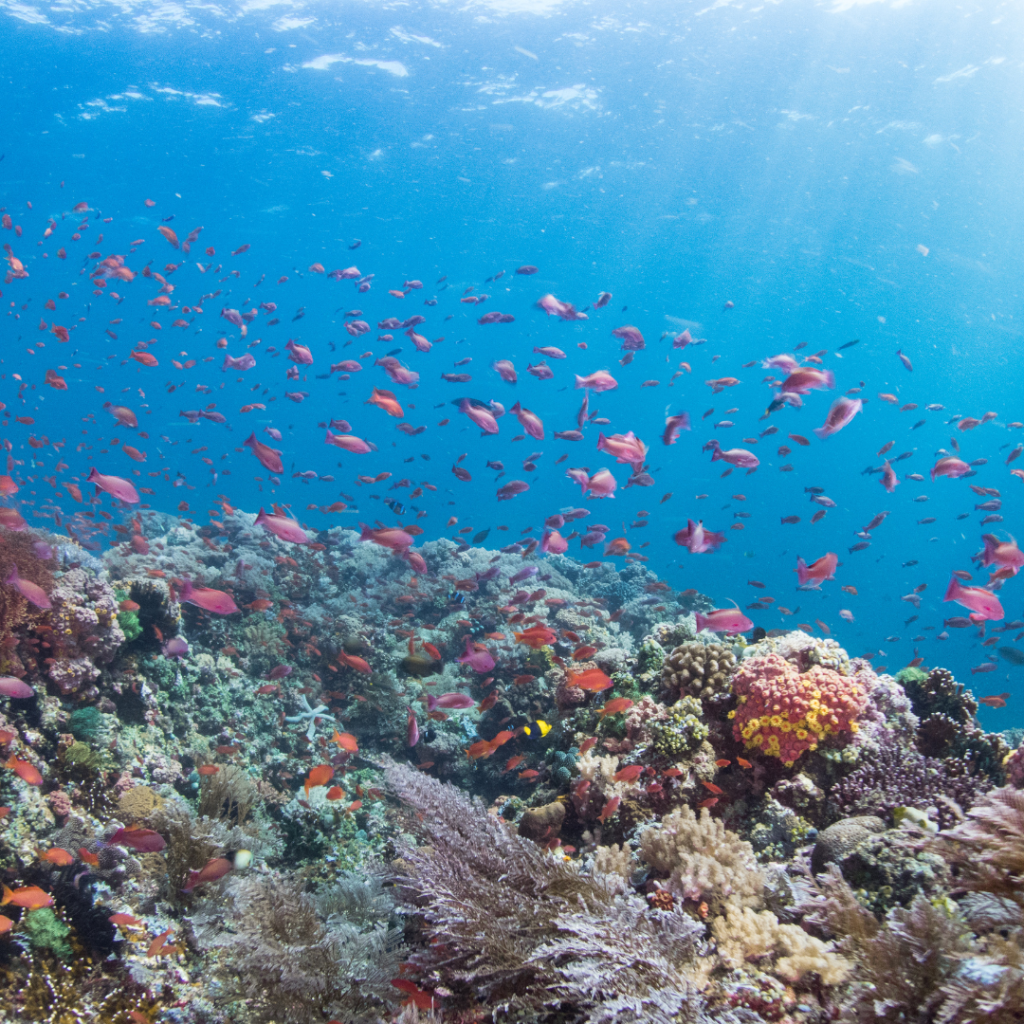
- Habitat Destruction: Oil and gas exploration and production activities often destroy marine habitats such as coral reefs, seagrass meadows, and mangroves.
Renewable Energy as a Solution
Renewable energy provides a cleaner and more sustainable alternative to conventional energy. Several types of renewable energy that can be used to protect marine ecosystems include:
- Offshore Wind Energy: Offshore wind power plants do not produce greenhouse gas emissions and do not require large land areas onshore.
- Wave Energy: Energy generated from the movement of ocean waves can be converted into electricity.
- Tidal Energy: The difference in sea level between high and low tides can be harnessed to generate electricity.
- Ocean Thermal Energy: The temperature difference between the surface ocean and deeper water layers can be used to generate electricity.
Benefits of Renewable Energy for Marine Ecosystems
- Reduction of Greenhouse Gas Emissions: The use of renewable energy helps reduce the greenhouse gases that drive climate change, helping to stabilize sea temperatures and protect coral reefs.
- Habitat Preservation: Transitioning to renewable energy can reduce energy exploration and production activities that damage marine habitats.
- Improvement in Water Quality: Reducing industrial waste and harmful chemicals in the energy production process can improve seawater quality and protect marine life.
Challenges and Opportunities
Despite its many benefits, the development of renewable energy in the marine sector still faces some challenges, such as:
- High Investment Costs: Building renewable energy infrastructure in the ocean requires significant financial investment.
- Evolving Technology: Marine-based renewable energy technologies are still in development and are not yet fully efficient.
- Potential Environmental Impacts: The installation of offshore wind turbines or wave energy devices may have an impact on nearby marine life.
Renewable energy holds great potential as a solution to the environmental challenges faced by marine ecosystems. With continued research and technological development, as well as the support of appropriate policies, we can create a more sustainable future for the oceans and future generations.
Sumber : Ocean Panel: Apa Peran Energi Laut Terbarukan dan Mineral Dasar Laut Dalam pada Masa Depan yang Berkelanjutan? [https://oceanpanel.org/wp-content/uploads/2022/05/Ocean-Energy-and-Deep-Sea-Minerals-Summary-Indonesian.pdf]