setting and infrastructure

Design and Implementation of Solar Panels in Buildings: Towards Sustainable Structures

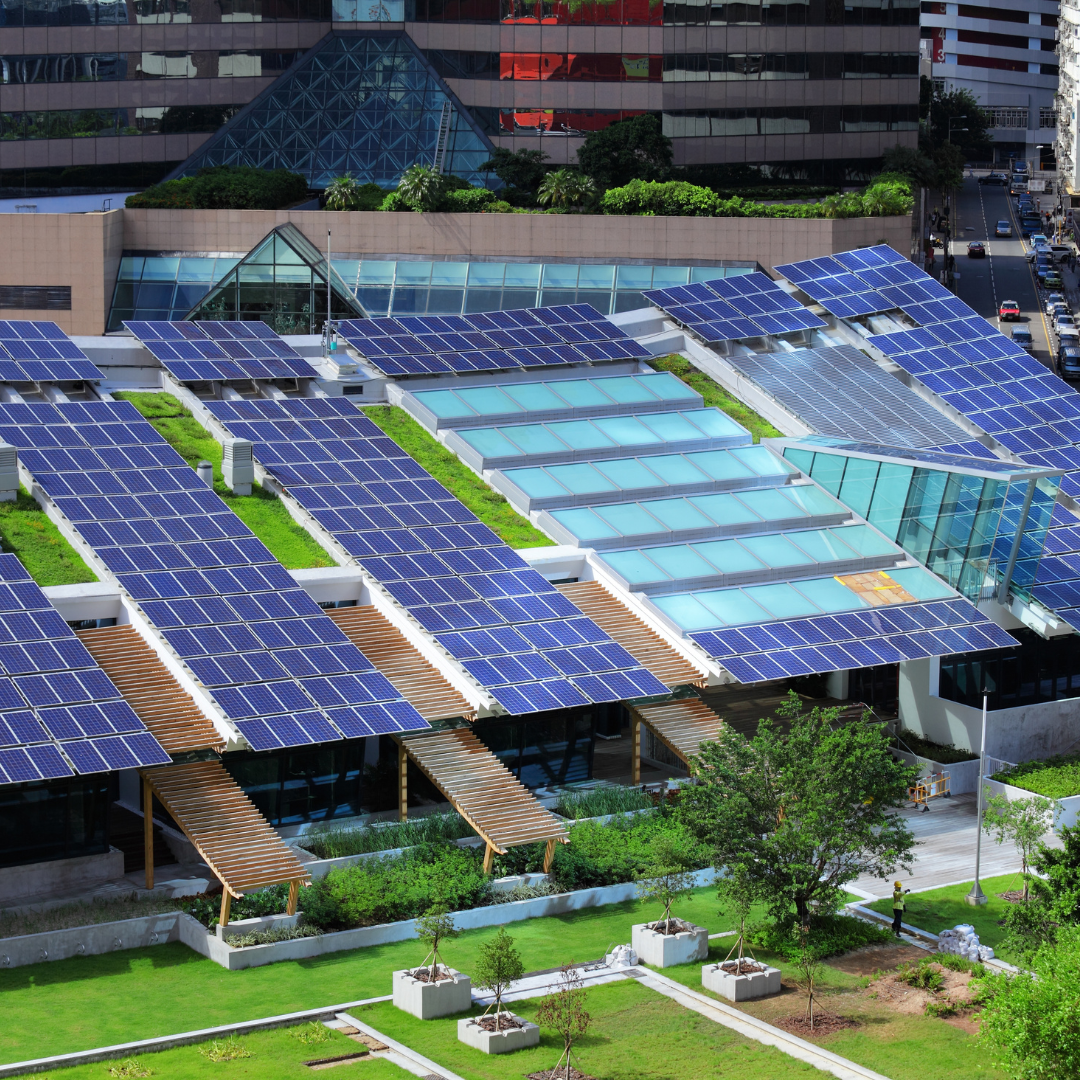
The rapid development of renewable energy technologies, especially solar panels, is increasingly becoming a viable solution for reducing dependence on fossil fuels and creating more sustainable buildings. The use of solar panels in buildings is growing in popularity as a way to reduce energy costs and promote sustainability. This article will discuss the design and implementation of solar panels in buildings, from planning to the benefits that can be gained. Why Choose Solar Panels for Buildings? Design and Implementation Phases for Solar Panels Factors to Consider Benefits of Implementing Solar Panels in Buildings Examples of Solar Panel Implementation in Indonesia The implementation of solar panels in buildings is a crucial step toward creating more sustainable structures. With proper planning and the selection of appropriate technology, solar panels can provide significant benefits for both building owners and the environment. Source: Directorate General of New, Renewable Energy, and Energy Conservation. (2023). Potentials and Challenges of Solar Energy Development in Indonesia. Jakarta: Ministry of Energy and Mineral Resources.

Successful Renewable Energy Projects That Are Changing the World

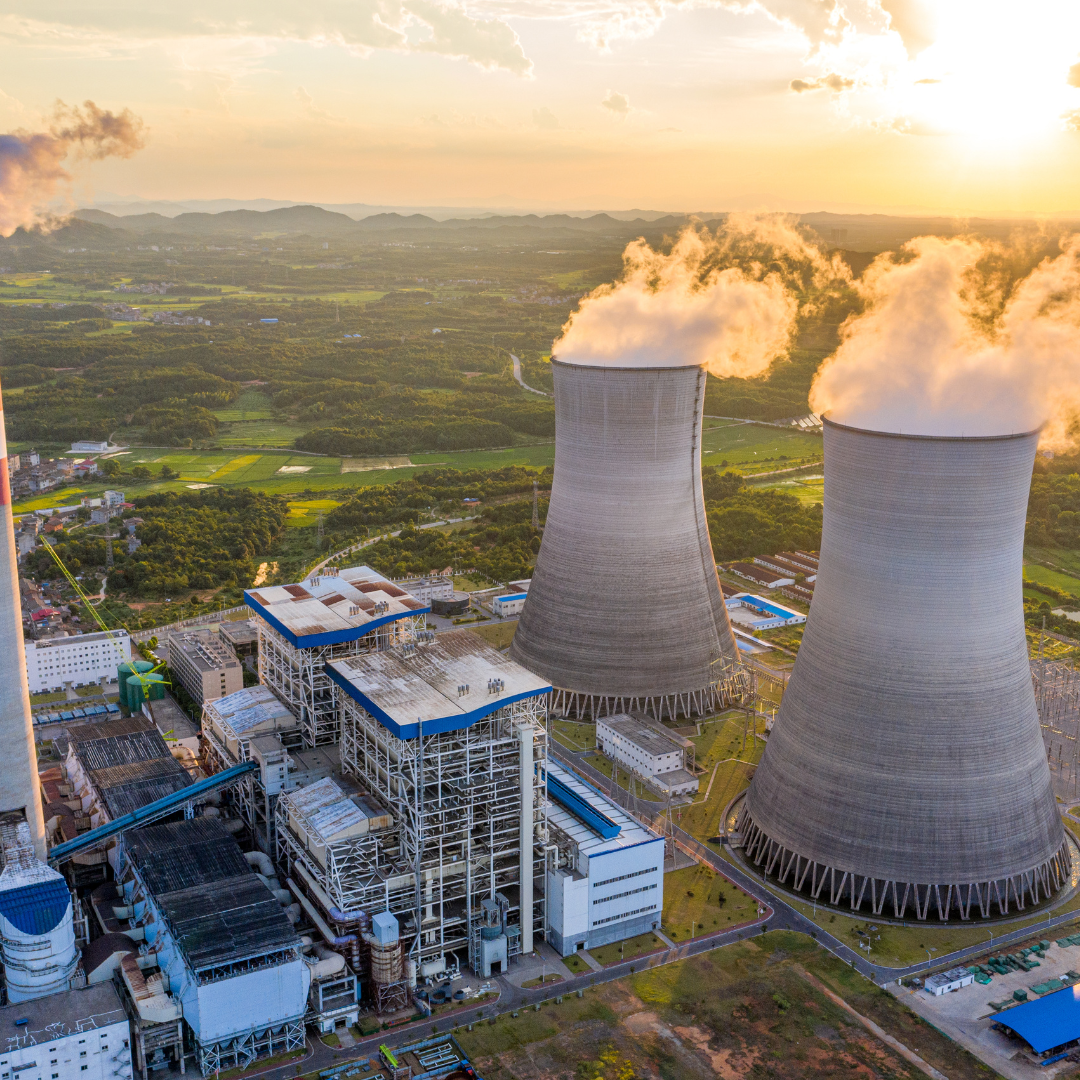
The transition to clean energy is becoming increasingly urgent. Various countries around the world have demonstrated their commitment by launching innovative and successful renewable energy projects. Renewable energy sources such as solar, wind, water, and biomass offer sustainable solutions to meet the growing global energy demand. Successful renewable energy projects not only generate clean energy but also have positive impacts on the economy, the environment, and society. Examples of Successful Renewable Energy Projects Key Factors for the Success of Renewable Energy Projects Challenges and Opportunities in the Future Although significant progress has been made, there are still many challenges to overcome in the development of renewable energy. These challenges include fluctuations in energy production, integration into existing power grids, and high investment costs. However, the future holds immense opportunities. The growing global demand for clean energy, declining technology costs, and increasing awareness of the importance of sustainability will drive the continued growth of the renewable energy sector. Source: IRENA – International Renewable Energy Agency (www.irena.org)

Renewable Energy in the Context of Electric Mobility: Toward a Greener Future

Climate change and the limitations of fossil resources have driven the world to seek cleaner and more sustainable energy alternatives. One sector that has undergone significant transformation is the transportation sector. Electric mobility, powered by renewable energy, has emerged as a promising solution to reduce greenhouse gas emissions and improve air quality. What is Electric Mobility? Electric mobility refers to the use of electric vehicles powered by batteries. Electric vehicles no longer rely on fossil fuels, thus reducing the exhaust emissions that are the primary cause of air pollution and climate change. The Role of Renewable Energy in Electric Mobility Renewable energy, such as solar, wind, and hydroelectric power, plays a crucial role in supporting electric mobility. Here are some reasons why: Challenges and Opportunities Although electric mobility offers many benefits, there are still several challenges that need to be addressed, such as: However, alongside these challenges, there are numerous opportunities: Electric mobility powered by renewable energy represents the future of cleaner and more sustainable transportation. By continuing to develop technology, improve infrastructure, and raise public awareness, we can achieve a transition to a more environmentally friendly transportation system. Source : https://metiires.or.id/pengembangan-mobilitas-et/bergerak-menuju-masa-depan-berkelanjutan-pentingnya-mobilitas-dengan-energi-terbarukan/

Comparison of Renewable Energy Policies: Developed vs Developing Countries, Who is Ahead?

Background: The importance of the energy transition toward more sustainable resources.Article Objective: To compare renewable energy policies in developed and developing countries, identify differences, challenges, and opportunities.Research Question: What are the key differences in renewable energy policies between developed and developing countries? What factors influence these differences? Definition of Renewable Energy and Policy Differences in Renewable Energy Policies Factors Influencing the Differences Case Studies Opportunities and Challenges Summary of Findings: Concludes the key differences between renewable energy policies in developed and developing countries.Recommendations: Provides policy recommendations to promote the development of renewable energy in developing countries.Future Directions: Discusses the prospects for renewable energy development in the future. Source: IEA Report: The International Renewable Energy Agency (IRENA) publishes an annual report on the development of renewable energy worldwide.

Renewable Energy: Investment for Future Generations

Climate Change and the Urgency of Clean Energy Climate change has become a real threat to life on Earth. Rising global temperatures, extreme weather events, and rising sea levels are just some of the impacts we are already experiencing. One of the main causes of climate change is greenhouse gas emissions from the burning of fossil fuels. To address this issue, the transition to clean energy has become increasingly urgent. Renewable energy, such as solar, wind, water, and biomass, offers a sustainable solution. Not only is renewable energy environmentally friendly, but it also has the potential to create new jobs and drive economic growth. Why Investing in Renewable Energy is So Important? Renewable Energy Potential in Indonesia Indonesia has enormous renewable energy potential, including solar, wind, water, geothermal, and biomass. Several regions in Indonesia, such as East Nusa Tenggara and South Sulawesi, have high wind energy potential. Meanwhile, Java and Bali have significant solar energy potential. Challenges and Solutions Despite the vast renewable energy potential in Indonesia, there are still several challenges to overcome, including: To address these challenges, collaboration between the government, private sector, and the public is necessary. The government can provide support through policies that encourage renewable energy development, while the private sector can play a role as investors and project developers. The public can also contribute by adopting renewable energy in their homes. Investing in renewable energy is an investment in a better future. By harnessing its renewable energy potential, Indonesia can contribute to global efforts to combat climate change and build a more sustainable future. Source: Research reports from universities and research institutions: Latest findings on renewable energy technologies and potential. Sumber : Laporan-laporan penelitian dari universitas dan lembaga penelitian: Temuan-temuan terbaru mengenai teknologi dan potensi energi terbarukan.

Energy and National Resilience: Strategies and Policies

The Relationship between Energy and National Resilience Energy as an Engine of Economic Growth: Energy is a critical input across various economic sectors, from industry and transportation to households. Economic dependence on energy means that disruptions in energy supply can have a significant impact on economic growth. Energy and Political Stability: Insufficient energy supply or high fluctuations in energy prices can trigger social and political instability. History has recorded numerous instances of conflicts driven by the competition for energy resources. Energy and National Security: Dependence on energy imports can make a country vulnerable to political pressure from energy-producing nations. Additionally, vital energy infrastructure can become a target during armed conflicts. Strategies to Enhance Energy Resilience National Energy Policy Challenges and Opportunities Sumber : Direktorat Jenderal EBTKE: https://ebtke.esdm.go.id/

The Prospect of Ammonia as an Alternative Fuel for Marine Vessels

The global shipping industry is currently facing a significant challenge in reducing greenhouse gas emissions to address climate change. One promising solution is the use of cleaner alternative fuels. Ammonia, a nitrogen-hydrogen compound with the chemical formula NH₃, has emerged as one of the strongest candidates to replace conventional fossil fuels in the maritime industry. Why Ammonia? Potential Use of Ammonia in the Maritime Sector Challenges and Solutions Ammonia has great potential to become a clean and efficient alternative fuel for marine vessels. However, there are still many challenges to be addressed before ammonia can be widely adopted in the maritime industry. With the right investments in research and development, along with support from governments and industries, the use of ammonia as a marine fuel could become a reality in the near future. References

Universitas Teknokrat Indonesia Takes a Step Towards a Greener Campus with Medicinal Plants

Hello Indonesian Golden Generation..In an effort to promote sustainability and a greener campus environment, the students of Teknokrat Indonesia University have taken a significant step by planting medicinal herbs on campus grounds.  The project aims not only to enhance the university’s greenery but also to contribute to the health and well-being of the campus community.

To Realize a Green Campus, Universitas Teknokrat Indonesia Implemented Planting 1000 Trees Program

To realize a Green Campus, Universitas Teknokrat Indonesia implemented Planting 1000 Trees Program with the theme “Trees for the Future: Save Tree Save Life” with the participants of Teknokrat Green Festival 2022. The planting of tree seedlings was carried out directly by the Vice Chancellor IV of the Universitas Teknokrat Indonesia Mr. Achmad Yudi Wahyudin, S.Pd., M.Pd. with the Participants of Teknokrat Green Festival 2022 in the Green Area of ​​the Asmaul Yusuf Mosque Park, Universitas Teknokrat Indonesia.

Teknokrat Introduction of new Technologies on Horticulture: IoT-based Hydroponics

Universitas Teknokrat Indonesia adopted new Technologies on Horticulture: IoT-based Hydroponics to support the production of food and improvement of crop management.

Scroll to top