Green Campus

Measuring the Success of Physical Education Programs: An Overview

Here’s the translation of the article into English: The Importance of Physical Education: An Overview of Measuring the Success of Physical Education Programs Importance of Physical EducationExplain why physical education is an integral part of the overall educational process. Physical education not only promotes physical health but also plays a crucial role in developing students’ cognitive, social, and emotional skills. By fostering teamwork, discipline, and resilience, it contributes significantly to shaping well-rounded individuals. Challenges in MeasurementDiscuss some of the challenges often faced in measuring the success of physical education programs, such as the multidimensionality of objectives, limited resources, and other related factors. Evaluating success in physical education programs can be complex because goals often span a wide range of physical, cognitive, and behavioral outcomes. Purpose of the ArticleThe purpose of this article is to provide an overview of various indicators that can be used to measure the success of physical education programs. Conceptual Framework of Program Success Goals of Physical EducationOutline the various goals of physical education, ranging from physical development to cognitive and socio-emotional growth. These goals include improving physical fitness, enhancing motor skills, fostering social interaction, and developing emotional well-being. Dimensions of SuccessExplain that the success of a physical education program can be measured across several dimensions, such as: Indicators of Success Performance Indicators Process Indicators Impact Indicators Measurement Methods Case Study Examples Present several case studies conducted to measure the success of physical education programs at various educational levels. These case studies could highlight different approaches and methods of assessment used in schools and educational institutions. Challenges and Recommendations ChallengesRevisit the challenges mentioned earlier, along with any additional challenges that may arise. These include issues like the complexity of measuring success across different dimensions, limited resources for assessment, and potential disparities in program implementation. RecommendationsProvide recommendations for overcoming these challenges, such as: By using a comprehensive and multi-dimensional approach to measure the success of physical education programs, educators can better understand their effectiveness and make informed decisions for future improvements. Sumber : Buku teks: Cari buku teks yang membahas tentang kurikulum pendidikan jasmani, olahraga, dan kesehatan.

Comparison of Physical Education in Different Countries: Challenges and Opportunities

Physical Education and Environmental Awareness: Shaping a Generation that Cares for the Earth Physical education in schools plays a vital role in shaping students’ character and skills. However, in the era of climate change and environmental damage, physical education can offer more than just enhancing physical health. It can be an effective means to instill environmental awareness in students from an early age. Why Combine Physical Education and the Environment? Examples of Environment-Based Physical Education Activities Challenges and Solutions Although this concept is promising, there are several challenges that need to be addressed: To overcome these challenges, cooperation between teachers, schools, parents, and the community is essential. Some possible solutions include: By combining physical education with environmental awareness, we can shape a generation that is not only healthy but also deeply committed to protecting and preserving the planet for future generations. Sumber : Jurnal Penelitian: Carilah jurnal-jurnal yang membahas tentang pendidikan olahraga, pendidikan lingkungan, atau studi kasus tentang sekolah yang berhasil mengintegrasikan keduanya.

Comparison of Physical Education in Different Countries: Challenges and Opportunities

Comparison of Physical Education in Different Countries: Challenges and Opportunities Physical education plays a crucial role in shaping a healthy, active, and disciplined generation. However, the implementation of physical education varies across different countries, each with its own characteristics. This article will discuss a comparison of physical education in several countries, identify the challenges faced, and explore the opportunities that can be developed. Differences in Approach Common Challenges Opportunities for Improvement ConclusionPhysical education has significant potential to shape a healthier and more qualified generation. However, achieving this goal requires collaborative efforts from various stakeholders. By addressing existing challenges and seizing available opportunities, physical education can become a key pillar in building a better future. Sumber : PERBANDINGAN SISTEM PENJAS DAN OLAHRAGA: INDONESIA DAN JEPANG: https://core.ac.uk/download/pdf/188611822.pdf

Mental and Physical Fitness: The Key to Student Success in the Modern Era

Student life today is becoming increasingly complex. Beyond academic demands, they also face social pressures, technological advancements, and rapid environmental changes. In such conditions, maintaining mental and physical fitness is essential. Why is Mental and Physical Fitness Important for Students? Tips for Maintaining Mental and Physical Fitness for Students Mental and physical fitness is a crucial long-term investment for students. By taking care of their physical and mental health, students will be better prepared to face academic challenges and daily life. Source: Ministry of Health of Indonesia: Understanding the Importance of Mental Health in Adolescents (https://yankes.kemkes.go.id/view_artikel/362/mengenal-pentingnya-kesehatan-mental-pada-re)

Inclusive Sports Education: Opening Access for All

Inclusive sports education is a concept where children with and without disabilities learn and play together in one class. This concept acknowledges that every child has unique potential and abilities, regardless of physical or mental conditions. Why Is Inclusive Sports Education Important? Challenges and Solutions in Implementation Although it offers many benefits, implementing inclusive sports education faces several challenges, such as: To address these challenges, some solutions include: Examples of Inclusive Sports Activities Inclusive sports education is an important step in creating a more equitable and inclusive learning environment for all children. With support from all parties, we can ensure that every child has the opportunity to grow and develop optimally through physical activity. Source: Ministry of Education and Culture: [Insert link to policies or programs related to inclusive education in Indonesia]

The Development of Sports Study Programs in Indonesia: Challenges and Opportunities

Sports are not just a physical activity; they have also become an integral part of modern society. With the growing awareness of the importance of health and an active lifestyle, public interest in the sports world is increasing. This has driven the development of sports study programs in various universities in Indonesia. Historical Development Sports study programs in Indonesia have experienced significant development since their inception. Initially, these programs were more focused on physical education and sports coaching. However, over time, the curriculum of sports study programs has become more complex, covering various disciplines such as sports physiology, sports psychology, sports management, and sports sociology. Challenges Faced Despite rapid growth, sports study programs in Indonesia still face several challenges. Some of these include: Opportunities Available Amidst these challenges, sports study programs in Indonesia also have many opportunities. Some of these include: Sports study programs in Indonesia play an essential role in developing human resources in the sports sector. Although they still face various challenges, these programs also have many opportunities for growth. To address challenges and take advantage of existing opportunities, various efforts need to be made, such as improving sports facility quality, developing relevant curricula, and enhancing the competence of teaching staff. Source: Ministry of Education, Culture, Research, and Technology: [Insert link to official Kemdikbudristek website]

Effective Sports Curriculum for College Students: The Importance of Physical Activity on Campus

The busy life of college often leads students to forget the importance of maintaining physical health. In fact, regular physical activity has many benefits, from improving concentration to reducing stress. Therefore, colleges need to design an effective sports curriculum to meet students’ needs. Why is a Sports Curriculum Important? Elements of an Effective Sports Curriculum Examples of Campus Sports Activities Challenges and Solutions One challenge in implementing an effective sports curriculum is the lack of student interest. To address this, colleges can collaborate with student organizations to hold various engaging sports events. Additionally, it is important to educate students on the benefits of sports for health. An effective sports curriculum is an important investment for colleges. By providing opportunities for students to be physically active, colleges not only improve students’ physical and mental health but also create a more lively and dynamic campus environment. Source: Ministry of Health RI: Guide to Healthy Living for Students

Solar Energy: A Bright Future for Energy

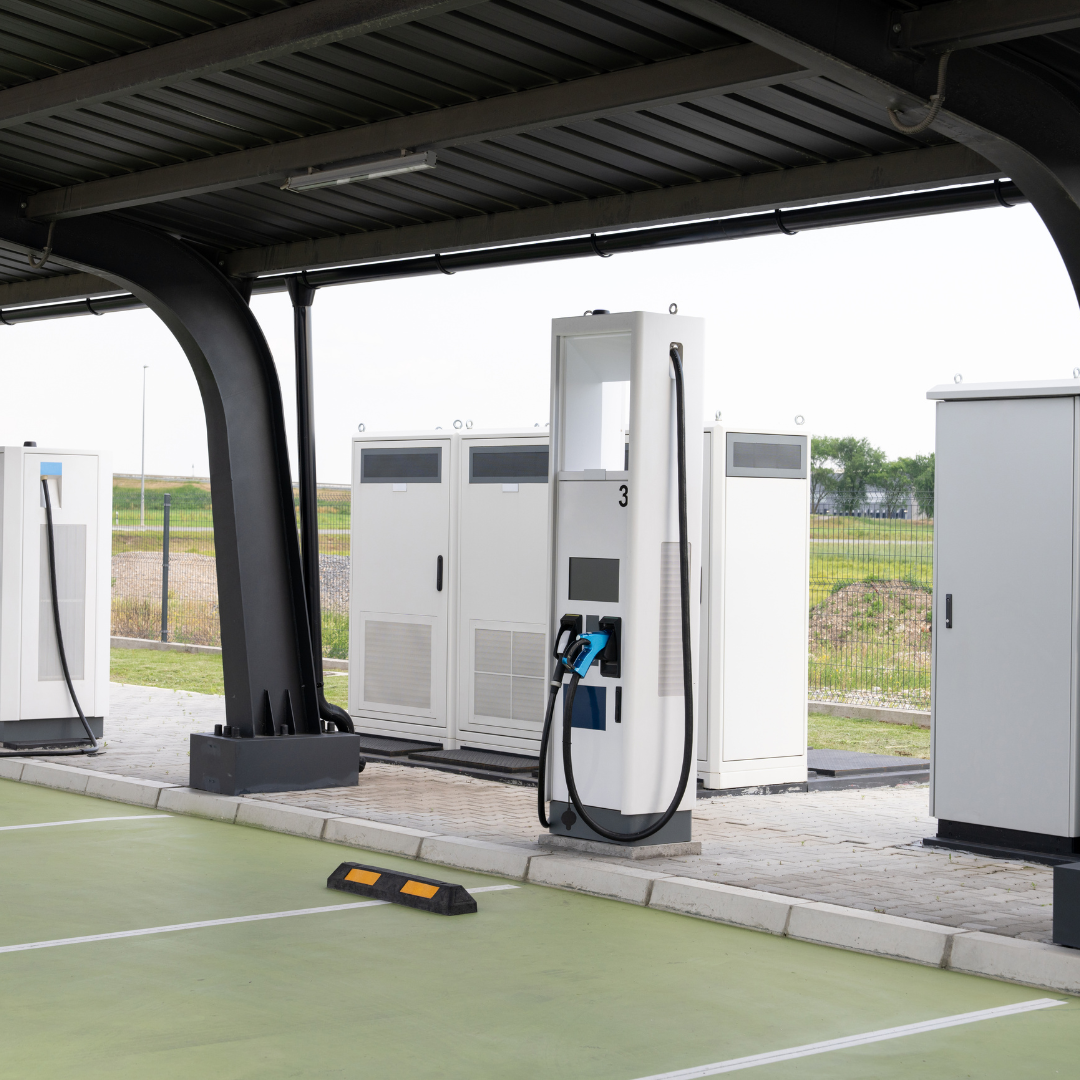
Amidst the global energy crisis and growing environmental awareness, solar energy is increasingly in the spotlight. As an abundant renewable energy source, solar power offers a sustainable solution to meet our energy needs. What is Solar Energy? Solar energy is energy obtained from sunlight. This energy is converted into electricity through solar panels containing photovoltaic cells, which directly transform light energy into electrical energy. Benefits of Solar Energy Environmentally friendly: It does not produce greenhouse gas emissions, helping to reduce the impact of climate change. Sustainable: The sun is an inexhaustible energy source, making solar power a highly sustainable energy source. Low operational costs: After the initial investment for installing solar panels, operational costs are very low. Energy independence: By utilizing solar energy, you can reduce dependence on the public power grid. Solar Energy Technology Solar Panels: The main component in solar energy systems that converts sunlight into electricity. Inverter: Converts the direct current (DC) generated by solar panels into alternating current (AC) that can be used by household electrical appliances. Battery: Stores the electricity generated by solar panels for use at night or during cloudy weather. Applications of Solar Energy Solar energy can be applied in various fields, such as: Solar Power Plants: Generates electricity on a large scale to meet the electricity needs of a region. Solar Water Heaters: Uses solar heat to warm water. Solar-Powered Electric Vehicles: Cars, motorcycles, and other vehicles that use solar energy as their power source. Street Lighting: Street lamps powered by solar energy. Challenges and the Future of Solar Energy Although it offers numerous benefits, solar energy development still faces challenges, such as the relatively high initial investment costs and dependence on weather conditions. However, with advancing technology and government support, solar energy is predicted to become a primary energy source in the future. Solar energy is one of the best solutions to address today’s energy issues. By harnessing abundant and environmentally friendly natural resources, solar energy can make a significant contribution toward creating a more sustainable future.

Sustainable Strides: Health Walk and Fun Run Celebrates Green Living and SDGs

Hello Indonesian Golden Generation..In a bid to foster healthy lifestyles and contribute to a sustainable future, the local community came together for an exciting Fun Run and Health Walk event. The event, which was held last weekend, not only encouraged physical well-being but also highlighted the importance of green living and the Sustainable Development Goals (SDGs).Participants of all ages gathered at the starting line, eager to take part in the Fun Run and Health Walk. The event featured various categories, catering to both seasoned runners and families looking to enjoy a leisurely stroll in the fresh air. Beyond promoting green living, the event was a platform to raise awareness about the SDGs.With the success of this year’s Fun Run and Health Walk, organizers are already planning next year’s event, with even more green initiatives and educational opportunities to further the community’s commitment to sustainable living and the SDGs.

Universitas Teknokrat Indonesia Takes a Step Towards a Greener Campus with Medicinal Plants

Hello Indonesian Golden Generation..In an effort to promote sustainability and a greener campus environment, the students of Teknokrat Indonesia University have taken a significant step by planting medicinal herbs on campus grounds.  The project aims not only to enhance the university’s greenery but also to contribute to the health and well-being of the campus community.

Scroll to top