

Flywheel: Spinning Energy for the Future
In a world increasingly dependent on electrical energy, the need for efficient and reliable energy storage systems is becoming more urgent. One promising technology is the flywheel. A flywheel works by storing energy in the form of rotational kinetic energy, similar to a spinning top that rotates at high speeds.
How Does a Flywheel Work?
In simple terms, a flywheel consists of a heavy wheel made from strong composite materials. This wheel is then spun at very high speeds using an electric motor. When excess electrical energy is available, the motor functions as a generator, converting electrical energy into kinetic energy and storing it in the form of the wheel’s rotation. Conversely, when energy is needed, the flywheel is connected back to the generator, which acts as a motor, converting kinetic energy back into electrical energy.
Advantages of Flywheels
- High Efficiency: Flywheels offer very high energy charging and discharging efficiency, reaching 90% or more.
- Fast Response Power: Flywheels can quickly absorb and release energy, making them ideal for applications that require rapid response, such as stabilizing power grids.
- Long Lifespan: Flywheels have an exceptionally long lifespan, capable of enduring tens of thousands of charge and discharge cycles.
- Environmentally Friendly: Flywheels do not produce greenhouse gas emissions and do not contain harmful chemicals.
Applications of Flywheel Technology
Flywheel technology has a wide range of potential applications, including:
- Electric Power Systems: Flywheels can store energy from renewable energy sources such as solar panels or wind turbines, helping to smooth out energy production fluctuations.
- Electric Vehicles: Flywheels can be used as an additional energy source in electric vehicles to improve acceleration and driving range.
- Backup Power Systems: Flywheels can serve as backup power systems for data centers, hospitals, and other industrial facilities.
Challenges and Development
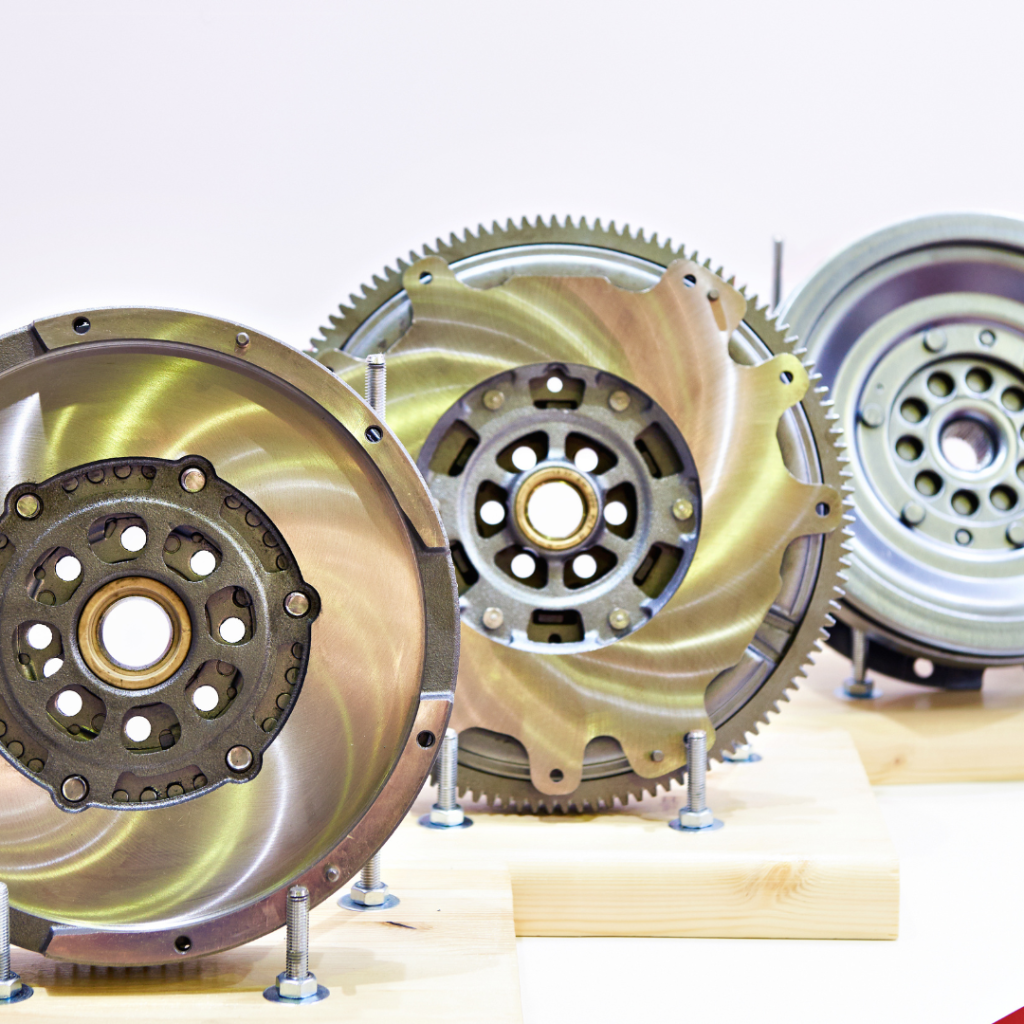
Despite its many advantages, flywheel technology still faces several challenges, including:
- Cost: The production cost of flywheels remains relatively high, especially for large-scale applications.
- Energy Loss: While efficient, flywheels still experience some energy loss during the charging and discharging process.
- Size and Weight: Flywheels are large and heavy, requiring significant space for installation.
Researchers and engineers are continuously working to address these challenges. Some of the efforts being made include:
- New Materials: The development of lighter and stronger composite materials to improve flywheel performance.
- Bearing Systems: Advancements in bearing systems to reduce friction and enhance efficiency.
- Control Systems: The development of more advanced control systems to optimize flywheel performance.
Flywheel technology is a promising energy storage solution with tremendous potential. As technology continues to evolve, flywheels could become an effective solution to address the challenges of providing clean and sustainable energy.
Sumber : https://www.ariantodarmawan.com/energy-storage-flywheels-and-battery-systems-en