

Flexible Solar Panels: The Future of Electric Vehicle Charging
The electric vehicle (EV) revolution has brought new momentum to the automotive industry. As the number of electric vehicles grows, the need for efficient and sustainable charging infrastructure becomes increasingly urgent. One innovative solution emerging is the use of flexible solar panels to charge electric vehicles.
What Are Flexible Solar Panels?
Flexible solar panels are a type of solar panel made from thin, bendable materials, allowing them to be installed on uneven or curved surfaces. Unlike rigid conventional solar panels, flexible panels offer greater installation versatility and convenience.
Advantages of Flexible Solar Panels for Electric Vehicles
- Portability: Flexible solar panels can easily be folded and carried anywhere, allowing EV charging in various locations—at home, at work, or on the go.
- Installation Flexibility: These panels can be installed on a car roof, hood, or even on a camping tent, offering high flexibility for utilizing solar energy.
- Efficiency: Despite their thin structure, modern flexible solar panels have relatively high energy conversion efficiency, making them capable of generating sufficient power to charge EV batteries.
- Aesthetic Design: The thin, lightweight design of flexible solar panels is aesthetically pleasing and does not interfere with the vehicle’s appearance.
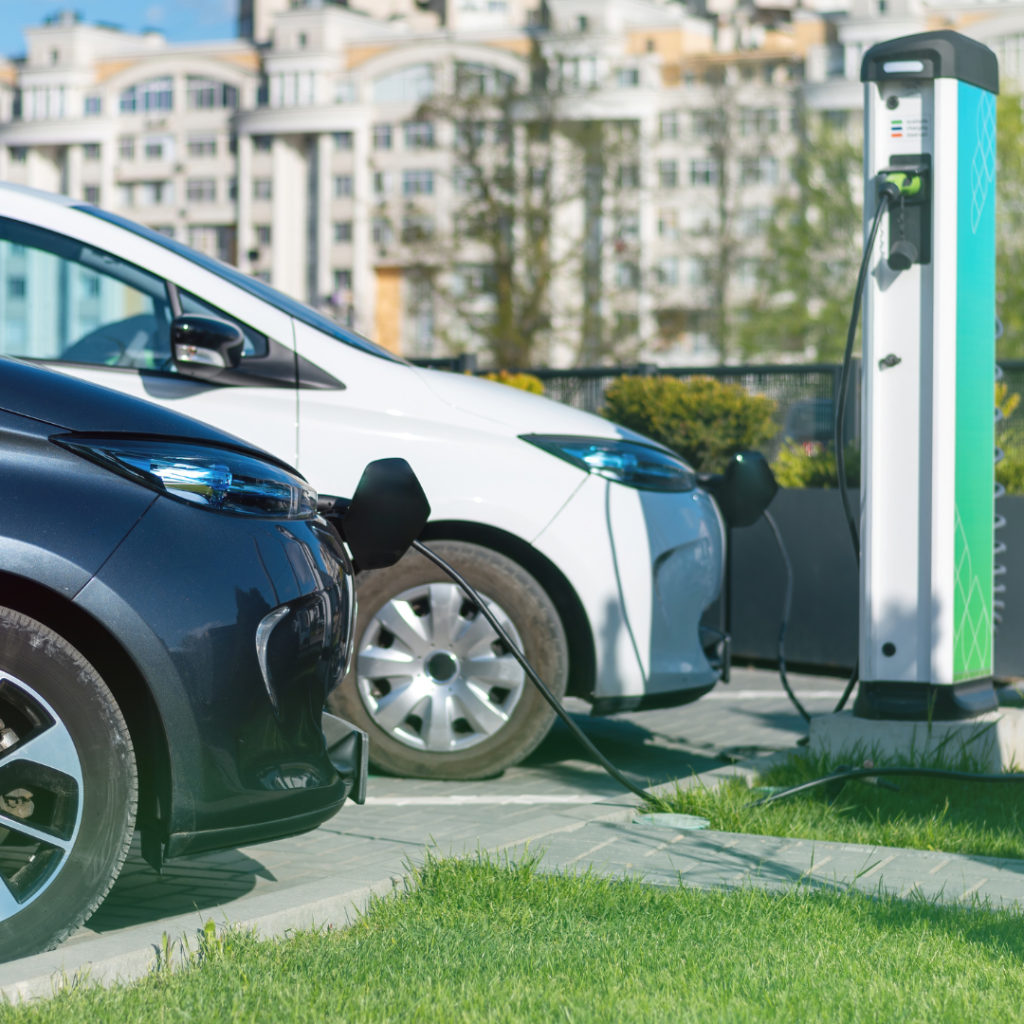
Applications of Flexible Solar Panels for Electric Vehicles
- On-the-Go Charging: Flexible solar panels can be mounted on car roofs or trailers to charge the battery on long journeys, reducing reliance on public charging stations.
- Solar Parking Canopies: Flexible solar panels can be used to create solar parking canopies in public or office parking areas, allowing EV owners to charge their vehicles while parked.
- EV Roof Integration: Some EV manufacturers have begun integrating flexible solar panels into car roofs, enabling vehicles to recharge independently when exposed to sunlight.
Challenges and Technological Advancements
While flexible solar panels offer numerous benefits, they still face some challenges, such as:
- Efficiency: The energy conversion efficiency of flexible solar panels needs further improvement to achieve higher power output.
- Cost: The production cost of flexible solar panels is still relatively high, making them expensive.
- Durability: The resilience of flexible solar panels to extreme weather conditions and prolonged sun exposure needs further testing.
However, ongoing advancements in technology aim to address these challenges. Promising developments include:
- New Materials: The development of new, more efficient, and durable materials for flexible solar panels.
- Vehicle Integration: Advances in energy management systems to better integrate flexible solar panels with a vehicle’s electrical system.
Flexible solar panels offer an exciting solution to meet the demand for clean and sustainable energy in the EV industry. With their many advantages, flexible solar panels have the potential to become a key component in the electric vehicles of the future.
Sumber : https://atonergi.com/panel-surya-untuk-mobil-listrik-pengisian-ramah-lingkungan/