

Zero Net Energy Building Concept: Self-Sustaining Green Buildings
What is a Zero Net Energy Building (ZEB)?
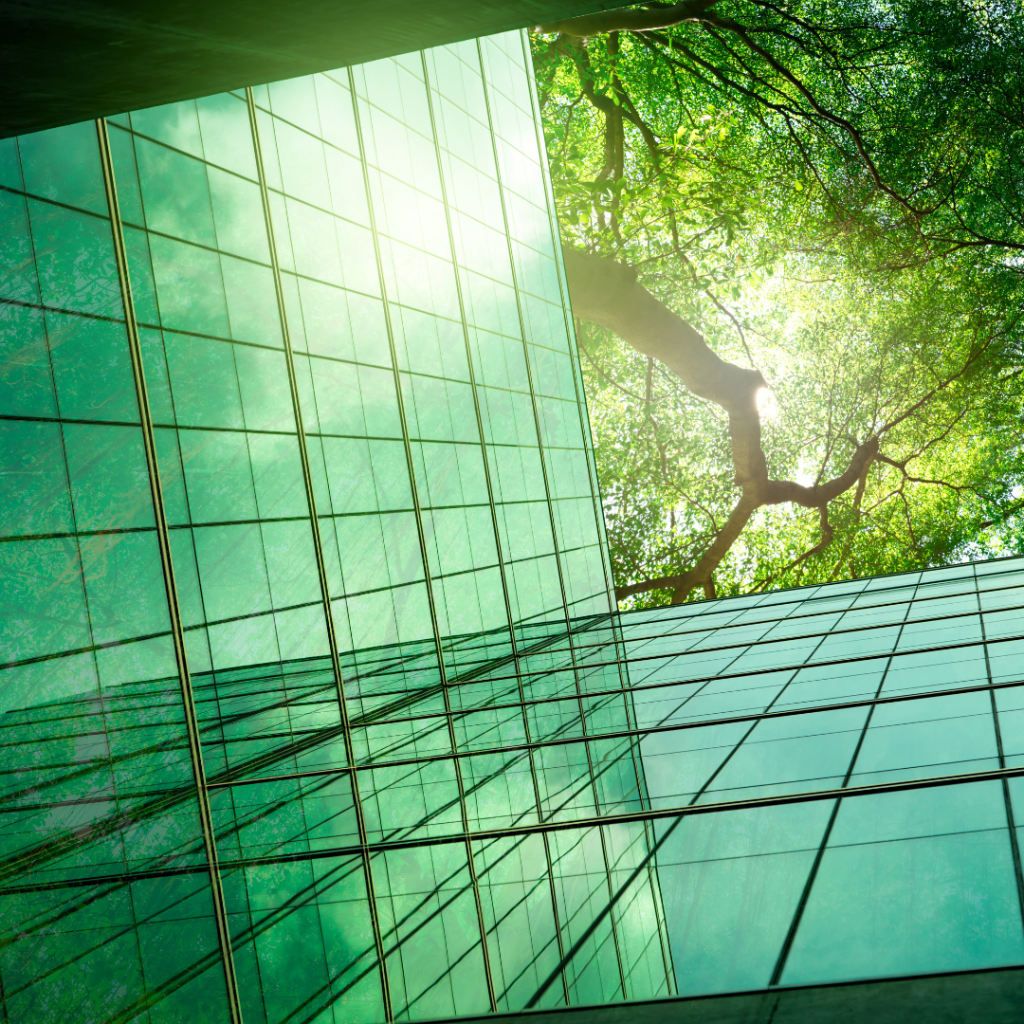
A Zero Net Energy Building, or ZEB, is a building designed to achieve a balance between the energy it consumes and the energy it generates. This means that over a year, the building can produce at least as much energy as it consumes. The ZEB concept is an effort to reduce dependence on fossil fuels and create a more sustainable environment.
How ZEB Works
To achieve ZEB status, a building adopts several core principles, including:
- Energy Efficiency: Minimizing energy usage through passive design, such as optimal building orientation, high-quality insulation, and efficient lighting and ventilation systems.
- Renewable Energy: Utilizing renewable energy sources like solar panels, small wind turbines, or even geothermal energy to generate electricity.
- Smart Technology: Using integrated energy management systems to optimize energy use.
Key Components of ZEB
- Building Envelope: A well-designed building envelope is essential to minimize heat or cooling loss. Quality insulation materials, double-glazed windows, and efficient ventilation systems are some examples.
- Mechanical and Electrical Systems: Efficient HVAC (Heating, Ventilation, and Air Conditioning) systems, LED lighting, and energy-saving electronic devices are also crucial to ZEBs.
- Solar Power Generation: Solar panels play a primary role in generating electricity to meet building needs.
- Energy Storage Systems: Batteries or other energy storage systems can store excess energy generated during the day for use at night.
Benefits of ZEB
- Environmental: Reduces greenhouse gas emissions and negative environmental impact.
- Economic: Saves on long-term energy costs.
- Health: Creates a healthier, more comfortable indoor environment.
- Innovation: Encourages the development of new technologies in the energy and building sectors.
Challenges in Implementing ZEB
- Initial Cost: Building a ZEB is generally more expensive than a conventional building.
- Technology Availability: Suitable, affordable technology is still limited in some regions.
- Skilled Professionals: Competent professionals are needed in ZEB design and construction.
Examples of ZEB Implementation
The ZEB concept has been applied in various countries, including Indonesia. Examples of ZEBs include college campuses, office buildings, and residential homes.
Conclusion
The Zero Net Energy Building concept offers a highly relevant solution to the challenges of climate change and the energy crisis. By implementing ZEB principles, we can build a more sustainable, energy-independent environment.