
Renewable Energy in Remote Areas: A Smart Solution for the Future
Remote areas often face challenges in accessing reliable electricity. Limited infrastructure and high costs are the primary obstacles in providing conventional electricity. However, with advancements in technology and a growing awareness of the importance of clean energy, renewable energy sources are emerging as a promising solution to address these issues.
Why is Renewable Energy Important for Remote Areas?
- Abundant Natural Resources: Remote areas often have abundant natural resources, such as sunlight, wind, and flowing water, which can be harnessed to generate renewable energy.
- Environmentally Friendly: Renewable energy sources do not produce greenhouse gas emissions, helping to mitigate climate change.
- Sustainable: Renewable energy resources are inexhaustible, ensuring a long-term energy supply.
- Energy Independence: By utilizing renewable energy, remote areas can reduce dependency on central power grids and achieve energy self-sufficiency.
Types of Renewable Energy for Remote Areas
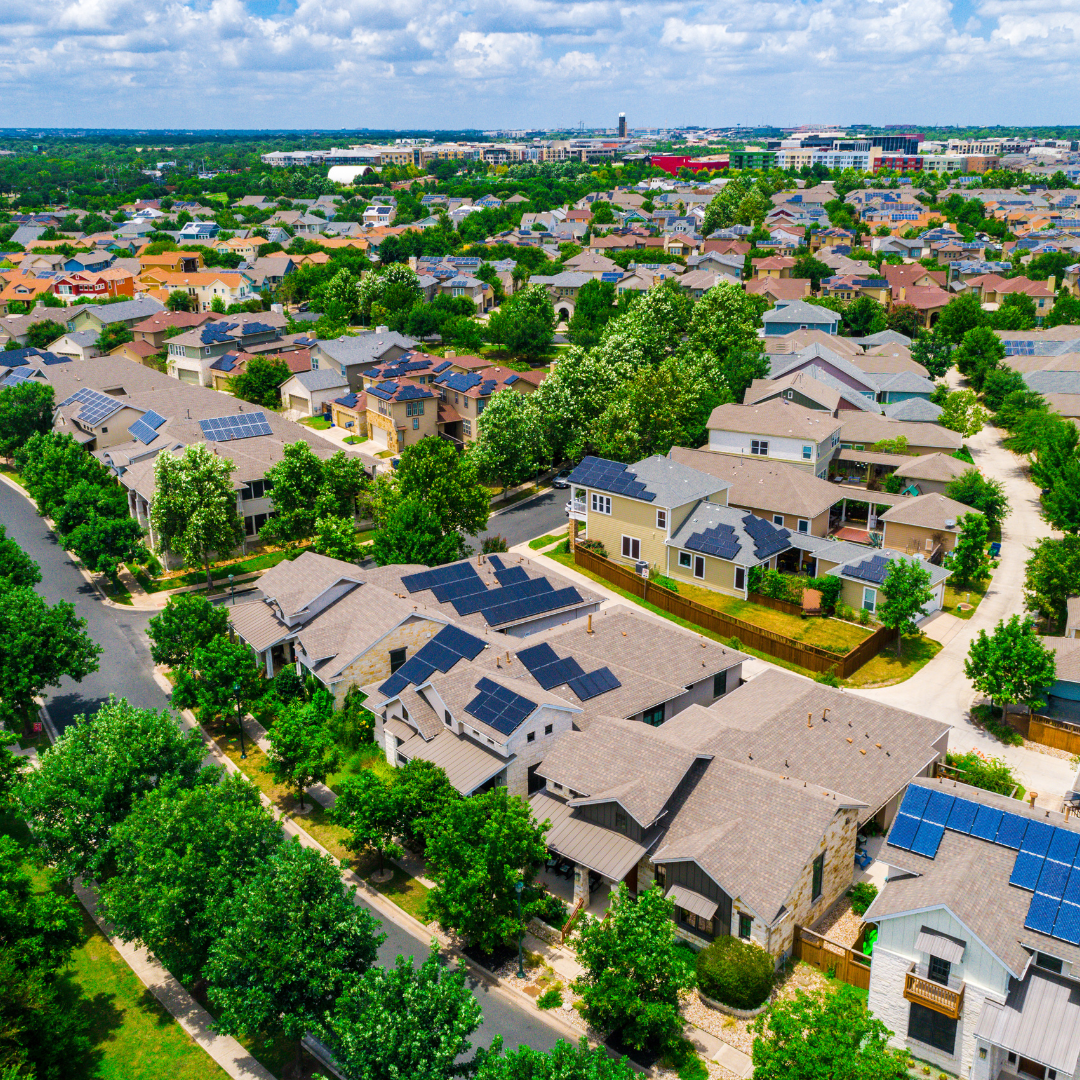
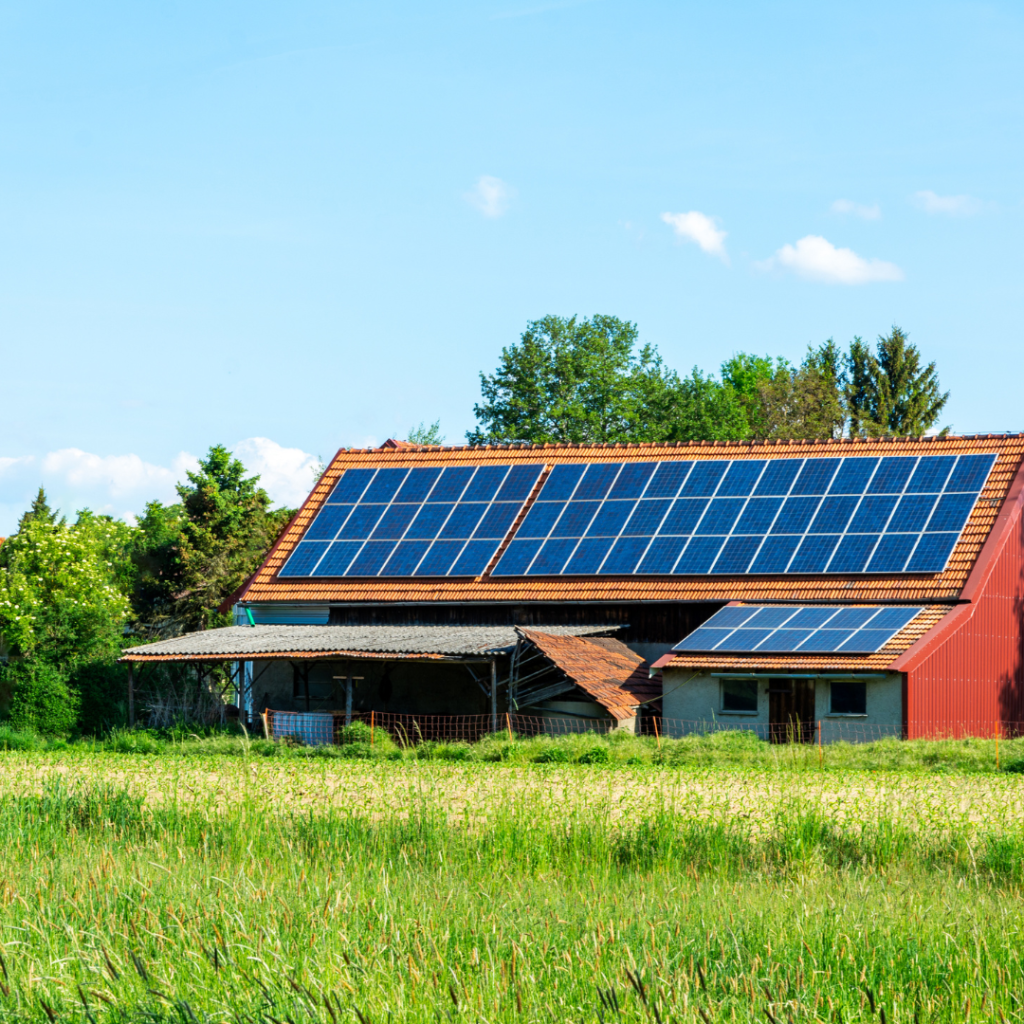
- Solar Power: One of the most popular renewable energy sources for remote areas. Solar panels can convert sunlight into electricity for lighting, battery charging, and powering other electronic devices.
- Wind Power: Areas with strong winds can utilize wind turbines to generate electricity, making wind energy ideal for large, open spaces.
- Hydropower: River flows or waterfalls can generate electricity through water turbines. Micro-hydro technology is suitable for areas with sufficient water sources.
- Biomass: Organic materials like firewood, organic waste, and agricultural residues can be converted into energy through combustion or fermentation processes.
Challenges and Solutions
Despite their high potential, renewable energy utilization in remote areas still faces several challenges, such as:
- High Initial Costs: The initial investment for setting up renewable energy systems is considerable.
- Developing Technology: Renewable energy technology is continuously advancing, requiring periodic updates.
- Limited Human Resources: A shortage of experts in renewable energy management and maintenance presents challenges.
To address these challenges, several solutions are needed, including:
- Subsidy Programs: Government subsidies can reduce the initial investment cost.
- Community Empowerment: Providing training and education equips local communities with the knowledge and skills to manage renewable energy systems.
- Private Sector Partnerships: Collaborating with private companies can accelerate the development of renewable energy infrastructure in remote areas.
Renewable energy offers a highly promising solution to address energy issues in remote areas. With support from the government, private sector, and local communities, the potential of renewable energy can be optimized to improve the quality of life in remote areas and create a more sustainable future.