
Renewable Energy: A Key to Adaptation Amid Climate Change
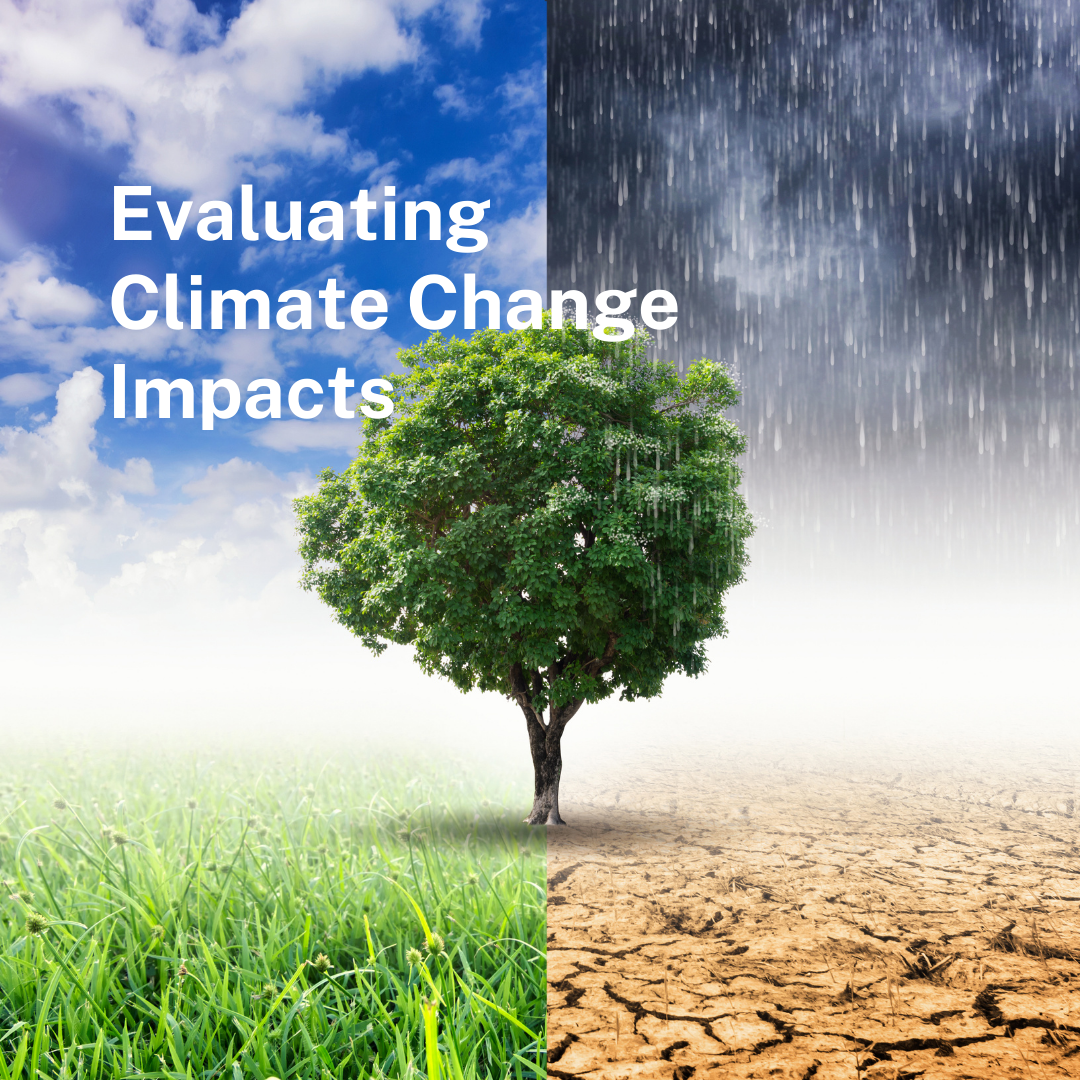
Climate change has become an increasingly urgent global challenge. Rising temperatures, extreme weather, and rising sea levels are some of the impacts we are already experiencing. To face this challenge, the transition to renewable energy has become a crucial step.
Why is Renewable Energy Important for Climate Change Adaptation?
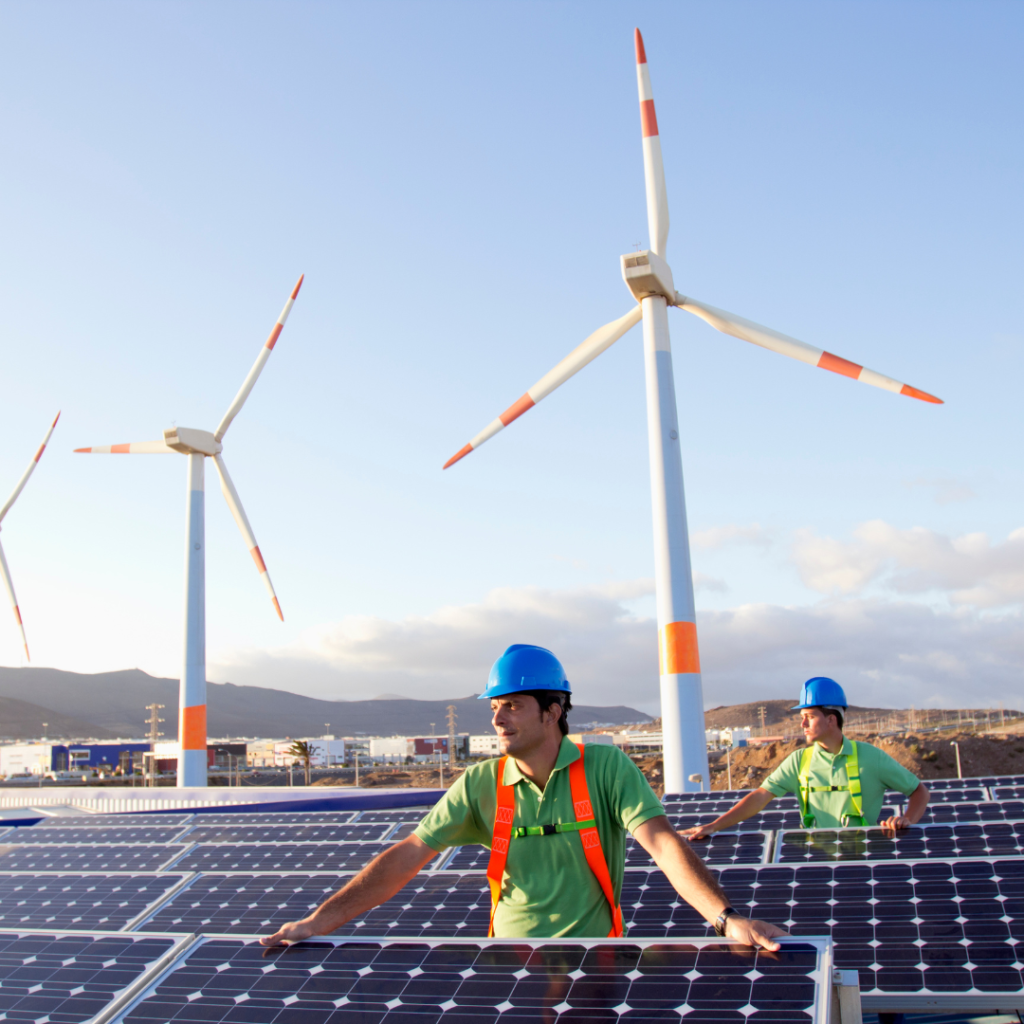
- Greenhouse Gas Emission Mitigation: The use of fossil energy is a major contributor to greenhouse gas emissions that accelerate global warming. Renewable energy, such as solar, wind, and hydro power, produces far lower emissions, even zero.
- Energy Resilience: Renewable energy sources are generally widespread and do not rely on fossil fuel imports. This increases a country’s energy resilience and reduces vulnerability to global energy price fluctuations.
- Economic Stimulation: Developing the renewable energy sector creates new jobs and promotes sustainable economic growth.
- A Cleaner Environment: Renewable energy does not produce air and water pollutants like fossil-fuel power plants.
Examples of Renewable Energy Applications for Adaptation
- Agriculture: The use of solar panels to operate water pumps, smart irrigation systems, and greenhouses helps farmers adapt to changing rainfall patterns and droughts.
- Urban Areas: Rooftop solar power generation and electric public transportation systems reduce emissions in major cities and improve air quality.
- Infrastructure: Using renewable energy to operate natural disaster early warning systems and climate-resilient infrastructure helps communities cope with the impacts of climate change.
Challenges and Solutions
- Investment Costs: Although the cost of renewable energy technology is decreasing, the initial investment is still substantial. Governments need to provide incentives and financial support to encourage renewable energy adoption.
- Infrastructure Availability: Building supporting infrastructure for renewable energy, such as transmission and distribution networks, requires careful planning and significant investment.
- Supply Fluctuations: Renewable energy sources like solar and wind are intermittent. Developing energy storage systems and integrating with conventional power grids can address this challenge.
Renewable energy is not only a solution for mitigating climate change but also a key to adapting to its impacts. By harnessing the abundant potential of renewable energy, we can build a more sustainable and resilient future.
Source: IPCC Report: The Intergovernmental Panel on Climate Change (IPCC) report provides the latest data and projections on climate change.