
Impact of Renewable Energy Infrastructure on Local Ecosystems: Between Benefits and Challenges
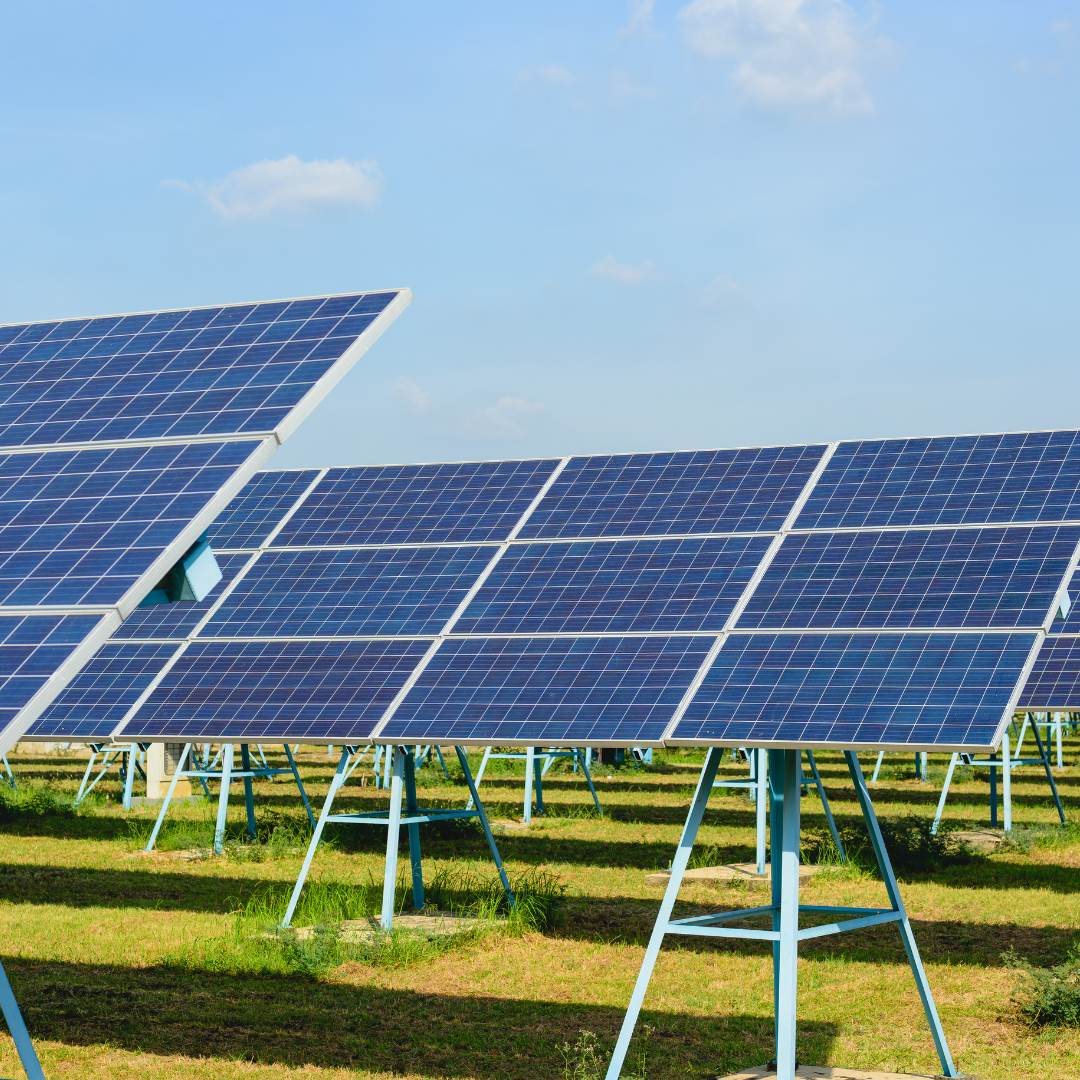
The transition to renewable energy is a crucial step in addressing the climate crisis. Renewable energy infrastructures, such as solar power plants (PLTS) and wind farms (PLTA), have been increasingly built worldwide. However, the development of this infrastructure is not without potential environmental impacts, particularly on local ecosystems. This article will explore both the positive and negative effects of renewable energy infrastructure on local ecosystems and discuss mitigation efforts that can be made.
Positive Impacts
- Reduction of Greenhouse Gas Emissions: One of the most significant impacts of renewable energy is the reduction of greenhouse gas emissions, which are the primary drivers of climate change. This helps improve air quality and mitigate global warming.
- Conservation of Natural Resources: Renewable energy does not rely on limited fossil resources. Thus, the development of renewable energy infrastructure can help preserve natural resources such as oil and natural gas.
- Biodiversity Enhancement: Some types of renewable energy infrastructure, such as small-scale hydropower plants (PLTA), can create new habitats for flora and fauna. For example, reservoirs created by hydropower plants may serve as stopover sites for migratory birds.
Negative Impacts
- Habitat Disruption: The construction of renewable energy infrastructure, especially large-scale solar power plants and wind farms, often involves land conversion, which can disrupt natural habitats for plants and animals.
- Pollution: The production of renewable energy components and the decommissioning of outdated infrastructure can generate waste that pollutes the environment.
- Noise Pollution: The noise generated by wind turbines can disturb wildlife, particularly birds, which may avoid areas with excessive noise.
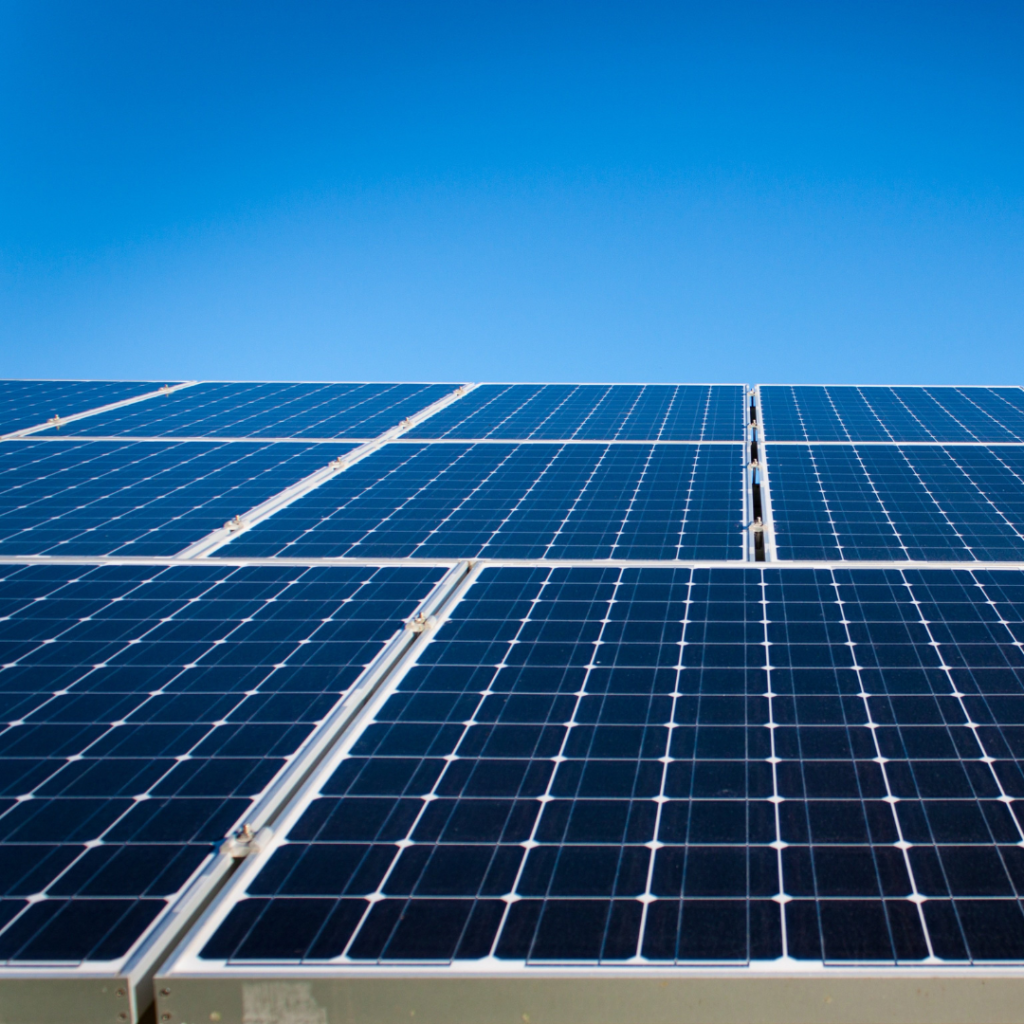
- Visual Pollution: Large solar panels and wind turbines can alter the landscape, reducing the aesthetic value of an area.
Mitigation Efforts
- Comprehensive Planning: Conducting thorough environmental studies before construction to minimize negative impacts on ecosystems.
- Proper Site Selection: Choosing locations for development that are not environmentally sensitive, such as avoiding protected forests or habitats for endangered species.
- Environmentally Friendly Technology: Using technologies with minimal environmental impact, such as rainwater-absorbing solar panels or bird-friendly wind turbine designs.
- Ecosystem Restoration: Undertaking ecosystem restoration efforts in areas affected by infrastructure development.
- Partnerships with Local Communities: Involving local communities in the planning and development process to raise awareness and encourage participation.
Renewable energy infrastructure has significant potential to address environmental issues but also presents unique challenges. With careful planning, the right technology choices, and serious mitigation efforts, the negative impacts on local ecosystems can be minimized. It is essential to strike a balance between the need for energy and environmental protection when developing renewable energy infrastructure.
Source : Ministry of Environment and Forestry of the Republic of Indonesia: Look for reports or case studies related to the environmental impact of renewable energy development in Indonesia.