
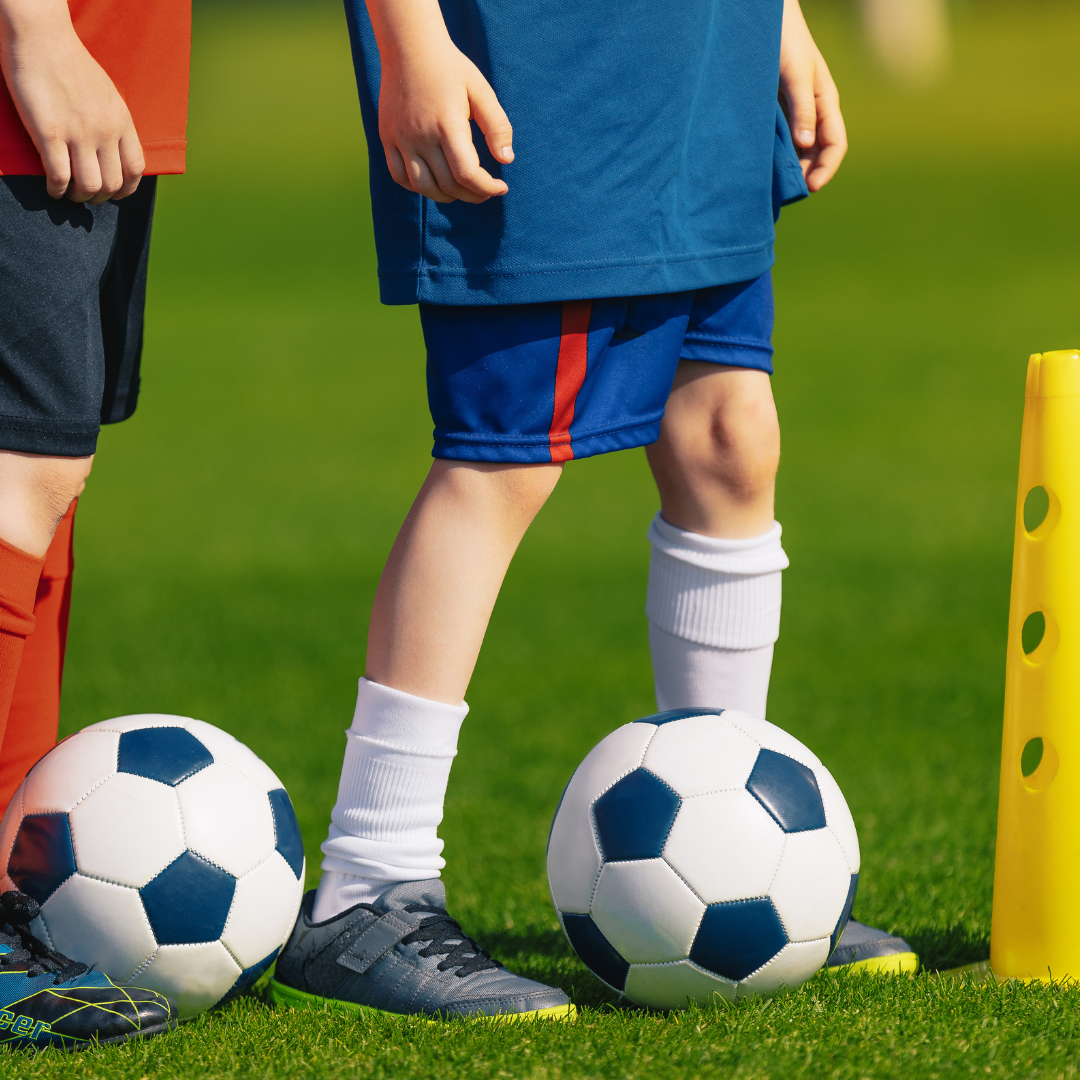
Community-Based Sports Education: Building an Active and Healthy Generation
Sports education is not limited to classroom learning alone. A community-based approach offers a new, more inclusive, and impactful dimension. By directly involving the community, sports education can become a means of building a generation that is active, healthy, and has a strong sense of togetherness.
What is Community-Based Sports Education?
Community-based sports education is a learning approach that combines resources and expertise from schools, families, and the community to achieve sports education goals. This model emphasizes the active participation of students in sports activities relevant to their environment and culture.
Benefits of Community-Based Sports Education
- Increasing Participation: By involving the community, more students can participate in regular sports activities.
- Enriching Learning Experiences: Learning is not only limited to school materials but also includes hands-on experience on the field, interaction with community coaches, and participation in sports events.
- Building Character: Through community sports activities, students can learn about cooperation, sportsmanship, discipline, and responsibility.
- Improving Physical and Mental Health: Regular sports activities help improve physical fitness, reduce the risk of disease, and enhance mental health.
- Strengthening Social Bonds: Community-based sports education can strengthen relationships between schools, families, and the community.
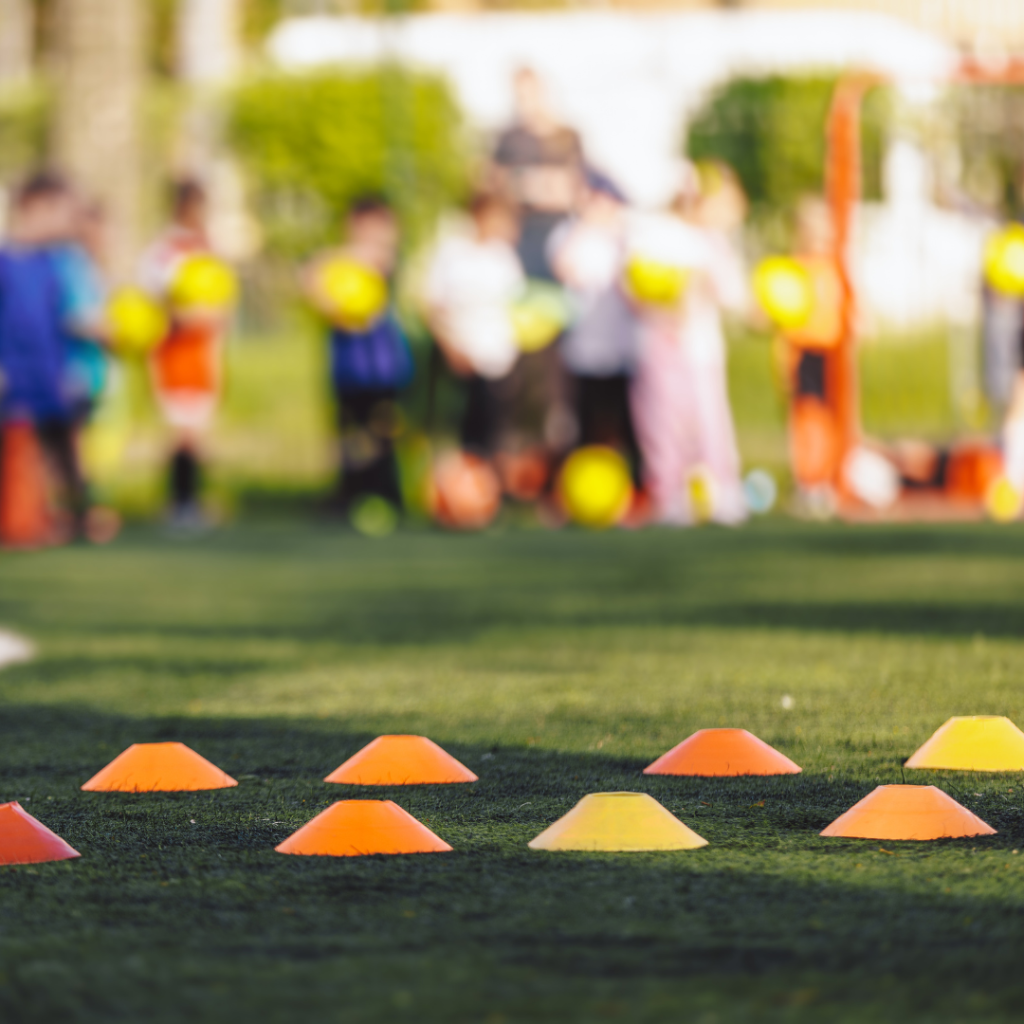
Examples of Implementing Community-Based Sports Education
- Collaboration with Local Sports Clubs: Schools can collaborate with local sports clubs to provide facilities and coaches for students.
- Organizing Community Sports Events: Schools can hold various sports events such as running races, ball tournaments, or traditional sports festivals.
- Forming Student Sports Clubs: Students can form sports clubs based on their interests, such as soccer, basketball, or martial arts clubs.
- Integrating Sports with Local Values: Sports activities can be combined with local culture and wisdom, for example, through traditional games or sports that utilize the natural surroundings.
Challenges and Solutions
Although it offers many benefits, community-based sports education also faces several challenges, such as:
- Lack of Facilities: Not all schools have adequate sports facilities.
- Lack of Human Resources: It can sometimes be challenging to find competent coaches or experts.
- Lack of Community Support: Not all communities are enthusiastic about supporting students’ sports activities.
To address these challenges, good cooperation is needed between schools, the government, and the community. Additionally, there needs to be outreach about the importance of community-based sports education.
Community-based sports education is a highly effective approach to improving the quality of students’ lives. By actively involving the community, sports education can be a means of building a healthy, active generation with a strong sense of togetherness.
Source: Department of Education and Culture. (2018). Curriculum for Physical Education, Sports, and Health. Jakarta: Ministry of Education and Culture.