
Renewable Energy and Cross-Sector Collaboration: The Key to a Sustainable Future
Introduction
Climate change and the depletion of fossil resources are driving the world to shift toward cleaner and more sustainable energy sources. Renewable energy, such as solar, wind, water, and biomass, offers promising solutions to address global energy challenges. However, the transition to renewable energy requires more than just technology. Cross-sector collaboration is key to accelerating the adoption of clean energy and achieving sustainable development goals.
Why is Cross-Sector Collaboration Important?
- Complexity of the Issue: The energy transition involves various aspects, ranging from government policies, private investments, technology development, to changes in societal behavior. Cross-sector collaboration allows stakeholders to share knowledge, resources, and experiences to tackle these complexities.
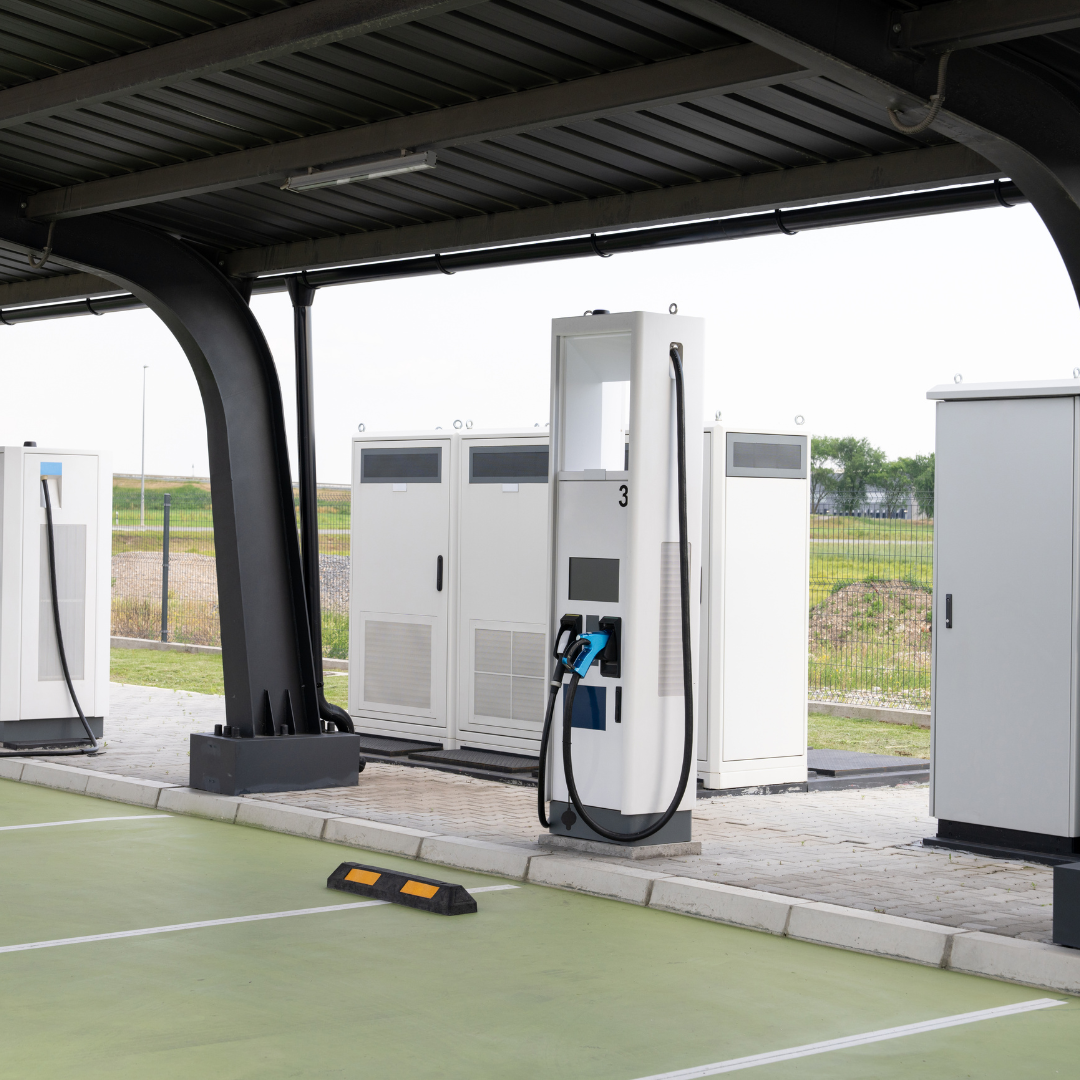
- Synergy: By working together, different sectors can create synergies that lead to more innovative and effective solutions. For example, the energy sector can collaborate with the transportation sector to develop electric vehicle charging infrastructure, or with the agricultural sector to utilize agricultural waste as a source of biomass energy.
- Risk Mitigation: Cross-sector collaboration helps identify and address risks related to the energy transition. For instance, the financial sector can work with the energy sector to develop financial instruments that support investment in renewable energy projects.

Examples of Successful Cross-Sector Collaboration
- Public-Private Partnerships: Many countries have successfully developed large-scale renewable energy projects through partnerships between the government and private companies. For example, feed-in tariff programs that provide financial incentives to renewable energy producers.
- International Cooperation: Countries worldwide are collaborating on various initiatives to accelerate the energy transition, such as the International Renewable Energy Agency (IRENA) and the Paris Agreement.
- Community Collaboration: Community involvement is crucial for the success of the energy transition. Public education programs, awareness campaigns, and community energy initiatives can encourage the adoption of renewable energy at the local level.
Challenges and Opportunities
Although cross-sector collaboration offers many benefits, several challenges need to be addressed, such as:
- Complex Regulations: Regulatory differences across sectors can hinder collaboration.
- Lack of Coordination: A lack of coordination between government agencies can slow down decision-making processes.
- Cultural Change: The energy transition requires significant cultural change, both at the organizational and societal levels.
However, these challenges also present opportunities for innovation and the development of new solutions. Cross-sector collaboration can drive the creation of innovative business models, the development of new technologies, and the creation of green jobs.
Conclusion
Cross-sector collaboration is crucial for achieving a sustainable future. By working together, we can accelerate the transition to renewable energy, reduce greenhouse gas emissions, and create a more just and prosperous society.
Source: IRENA: International Renewable Energy Agency (https://www.irena.org/)