

Government Initiatives Towards Clean Energy: A Step Forward for Indonesia
The increasingly urgent climate crisis has driven various countries, including Indonesia, to shift towards cleaner and more sustainable energy sources. The Indonesian government has taken several significant steps to promote this energy transition. This article reviews some of the key initiatives that the government has undertaken and is currently pursuing to create a greener energy future.
State-Owned Enterprises (SOEs) as Pioneers
- Pertamina: This state-owned oil company has been actively developing new and renewable energy (EBT), including the construction of solar power plants (PLTS) and the development of biodiesel.
- PLN: The state-owned electricity company has also been increasing the share of renewable energy in the national energy mix by developing various hydroelectric, geothermal, and wind power projects.
Supporting Government Policies
- National Energy Mix (EBT): The government has set an ambitious target to increase the share of renewable energy in the national energy mix to 23% by 2025.
- Fiscal Incentives: Various fiscal incentives, such as tax reductions and import duty exemptions, are provided to investors who invest in the clean energy sector.
- International Cooperation: Indonesia is actively building partnerships with other countries and international organizations to secure support for clean energy development, such as through climate funding programs.
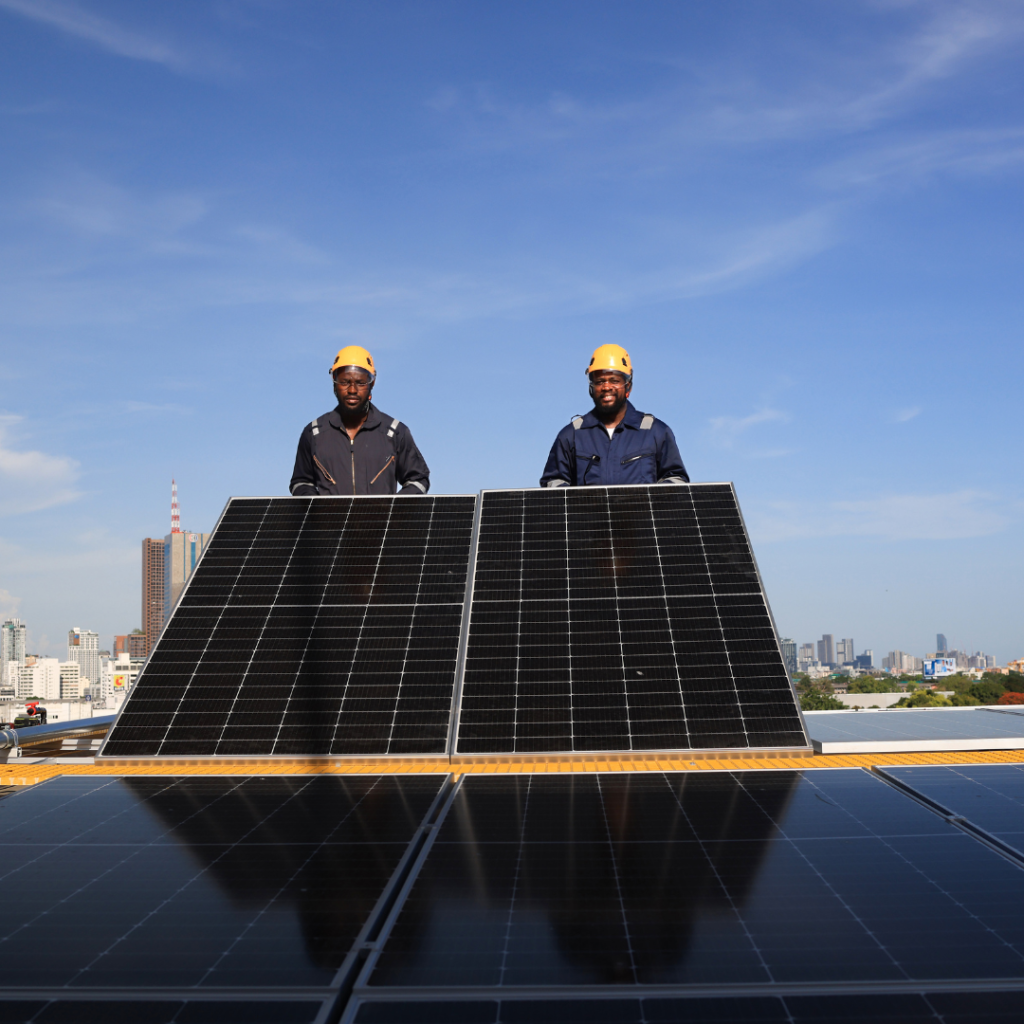
Flagship Programs
- 35,000 MW Program: This program aims to add 35,000 MW of power generation capacity, with a significant portion coming from renewable energy.
- Development of Electric Vehicle Charging Infrastructure (SPKLU): The government continues to encourage the development of electric vehicle charging infrastructure to support the growing use of electric vehicles.
- Renewable Energy Development in Remote Areas: The government is also focusing on developing renewable energy in remote areas to improve energy access for communities.
Challenges and Opportunities
Although significant progress has been made, there are still several challenges to overcome, such as limited infrastructure, high investment costs, and a shortage of skilled human resources. On the other hand, the energy transition also opens up enormous business opportunities for the private sector.
The government’s efforts to promote the transition to cleaner and more sustainable energy sources are crucial steps in addressing climate change and achieving sustainable development goals. With support from all stakeholders, Indonesia has significant potential to become a leader in the energy transition in Southeast Asia.
Sumber : Kementerian Energi dan Sumber Daya Mineral (ESDM)