

Renewable Energy: The Key to Achieving Sustainable Development Goals
The Sustainable Development Goals (SDGs) are a global agenda aimed at ending poverty, protecting the planet, and ensuring that all people enjoy peace and prosperity. One of the main goals of the SDGs is to provide access to affordable, reliable, sustainable, and modern energy for all. In this context, renewable energy plays a crucial role.
Renewable Energy and the SDGs
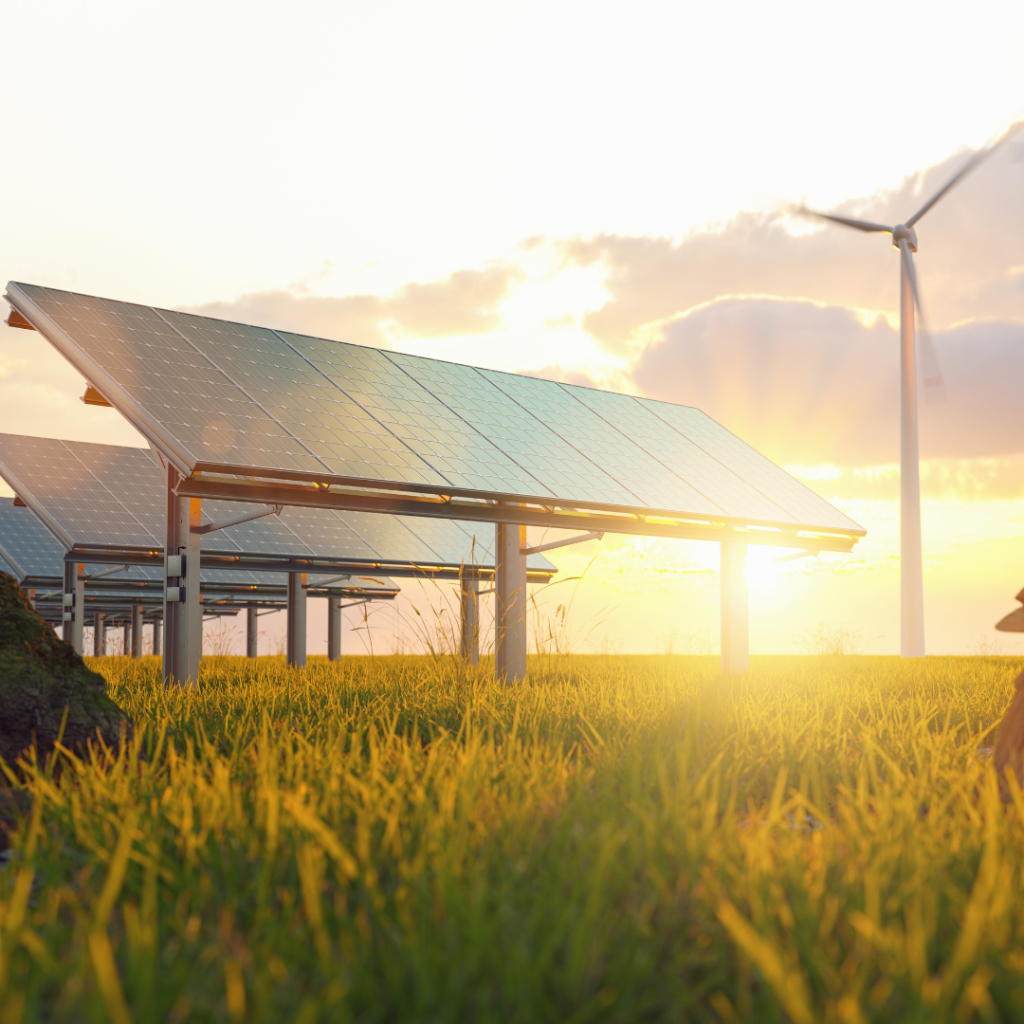
Renewable energy, such as solar, wind, water, and biomass, offers sustainable solutions to meet the world’s growing energy needs. The use of renewable energy can contribute to achieving several SDGs, including:
- Goal 7: Affordable and Clean Energy: Renewable energy provides broader energy access, especially in remote areas that are difficult to reach by conventional electricity grids.
- Goal 13: Climate Action: The use of renewable energy can reduce greenhouse gas emissions, which are the primary drivers of climate change.
- Goal 6: Clean Water and Sanitation: Small hydropower plants can support clean water and sanitation in rural areas.
- Goal 8: Decent Work and Economic Growth: The development of the renewable energy sector can create new jobs and stimulate economic growth.
- Goal 11: Sustainable Cities and Communities: The use of renewable energy can reduce air pollution and improve the quality of life in urban areas.
Renewable Energy Potential in Indonesia
Indonesia has vast renewable energy potential, including solar, wind, hydropower, and geothermal resources. This potential can be harnessed to meet SDG targets and reduce dependence on fossil fuels. Some examples of renewable energy utilization in Indonesia include:
- Solar Power Plants (PLTS): Solar power plants have been widely established across various regions of Indonesia, both on a large and small scale.
- Wind Power Plants (PLTA): Certain regions in Indonesia, such as East Nusa Tenggara, have high wind potential that can be developed into wind power plants.
- Hydropower Plants (PLTA): Indonesia has many rivers that can be utilized to build both large and small-scale hydropower plants.
- Geothermal Power Plants (PLTP): Indonesia holds the largest geothermal reserves in the world, which can be harnessed to generate electricity.
Challenges and Solutions
Despite its significant potential, the development of renewable energy in Indonesia still faces several challenges, such as:
- High Investment Costs: The construction of renewable energy infrastructure requires substantial investment.
- Technology: Some renewable energy technologies are still in development and are not yet efficient.
- Policy: There is a need for policies that support the development of renewable energy, such as fiscal incentives and clear regulations.
To overcome these challenges, collective efforts from the government, private sector, and society are necessary. Some solutions include:
- Increasing Investment: The government needs to provide fiscal incentives and streamline licensing procedures to attract investment in the renewable energy sector.
- Technology Development: The government should support research and development of more efficient and cost-effective renewable energy technologies.
- Enhancing Human Resource Capacity: Training and development of human resources in the renewable energy sector is essential.
- Awareness and Education: Public awareness and education about the importance of renewable energy and its benefits need to be promoted.
Renewable energy is the key to achieving sustainable development goals. By harnessing Indonesia’s renewable energy potential, the country can reduce its dependence on fossil fuels, improve environmental quality, and create a more sustainable future.
Source: Ministry of Energy and Mineral Resources: The official website of the Ministry of Energy and Mineral Resources provides up-to-date data and information on the development of renewable energy in Indonesia.