
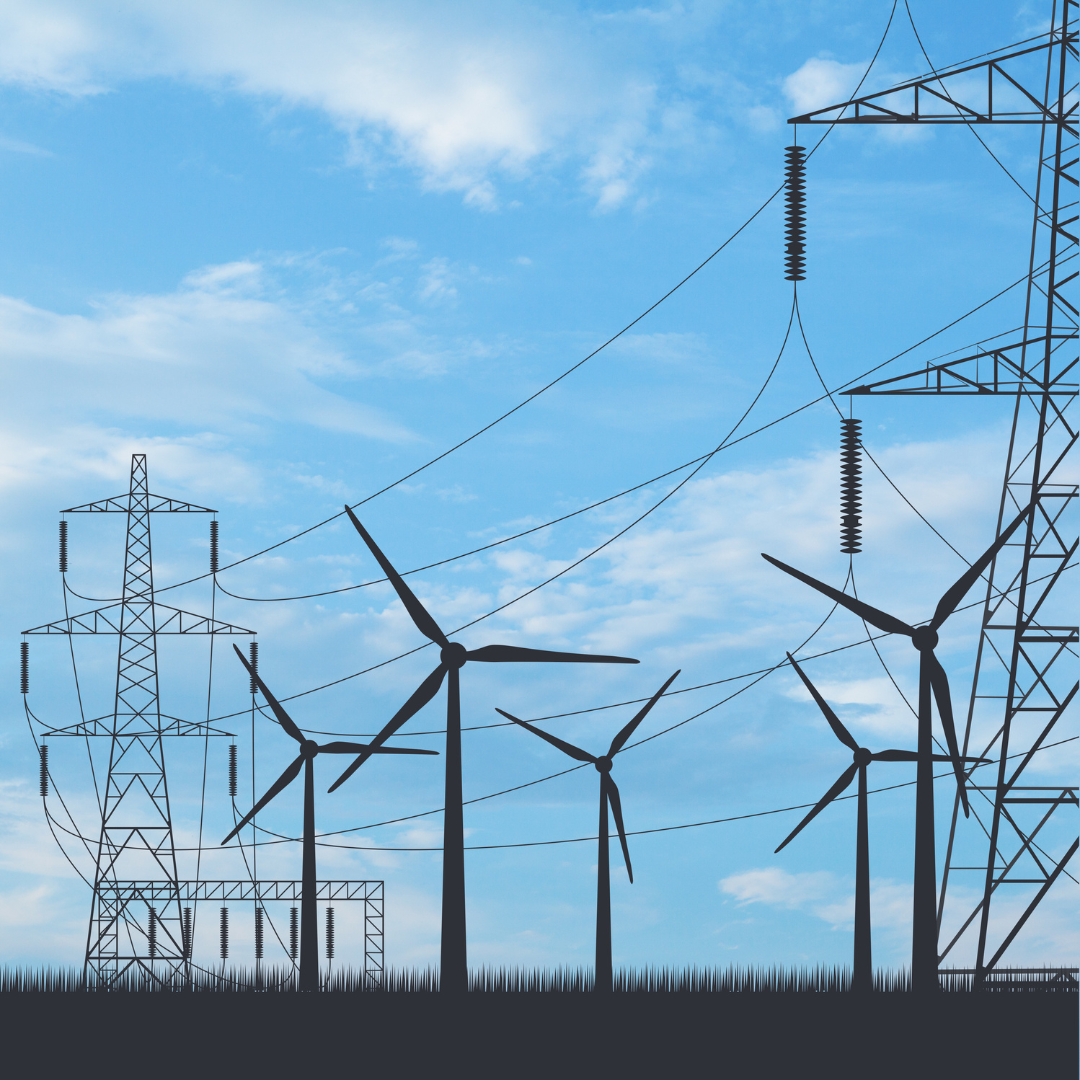
Community-Scale Wind Power Plants: A Step Toward Clean and Independent Energy
The energy crisis and climate change are driving us to seek alternative sources of energy that are cleaner and more sustainable. One promising solution is wind power plants, especially at the community scale. Community-scale wind power plants offer several benefits, from reducing dependence on fossil fuels to empowering local communities.
What is a Community-Scale Wind Power Plant?
A community-scale wind power plant is a wind energy facility that is built and operated by a community group, whether it be a village, small town, or specific community. These plants are typically smaller than large-scale power plants managed by national electricity companies.
Benefits of Community-Scale Wind Power Plants
- Clean and Renewable Energy: Wind is an unlimited energy source that produces no greenhouse gas emissions.
- Energy Independence: Communities can reduce their dependence on the main electricity grid and become more self-sufficient in meeting their energy needs.
- Community Empowerment: The development and management of wind power plants involve active community participation, thus increasing a sense of ownership and responsibility.
- Local Economic Growth: The construction of wind power plants can create jobs and boost local income.
- Environmental Preservation: Wind power plants generate no hazardous waste and help reduce the negative impact on the environment.
Challenges in Developing Community-Scale Wind Power Plants
- Initial Investment: Building a wind power plant requires a significant investment, especially for the purchase of wind turbines and supporting infrastructure.
- Technology: Selecting the right technology and operating the plant requires adequate technical knowledge.
- Wind Conditions: Inconsistent wind speeds and directions can affect power generation.
- Regulations: Complex licensing and regulatory processes can hinder the development of wind power plants.
Successful Examples of Community-Scale Wind Power Plants
[Insert case study of successful community-scale wind power plants in Indonesia or other countries, such as in villages in Denmark or Germany.]
Steps to Develop a Community-Scale Wind Power Plant
- Feasibility Study: Conduct an analysis of wind potential, energy needs, and financial aspects.
- Forming a Group: Establish a group of community members who are interested and committed to developing the wind power plant.
- Securing Funding: Seek funding sources, such as from the government, NGOs, or investors.
- Choosing Technology: Select the type of wind turbine that suits the wind conditions and energy needs.
- Construction and Operation: Build the wind power plant and operate it sustainably.
Community-scale wind power plants offer significant potential for achieving a cleaner and more sustainable energy future. With support from the government, communities, and various stakeholders, the development of community-scale wind power plants can be accelerated and provide widespread benefits to society.
Source: [Ministry of Energy and Mineral Resources of the Republic of Indonesia]