
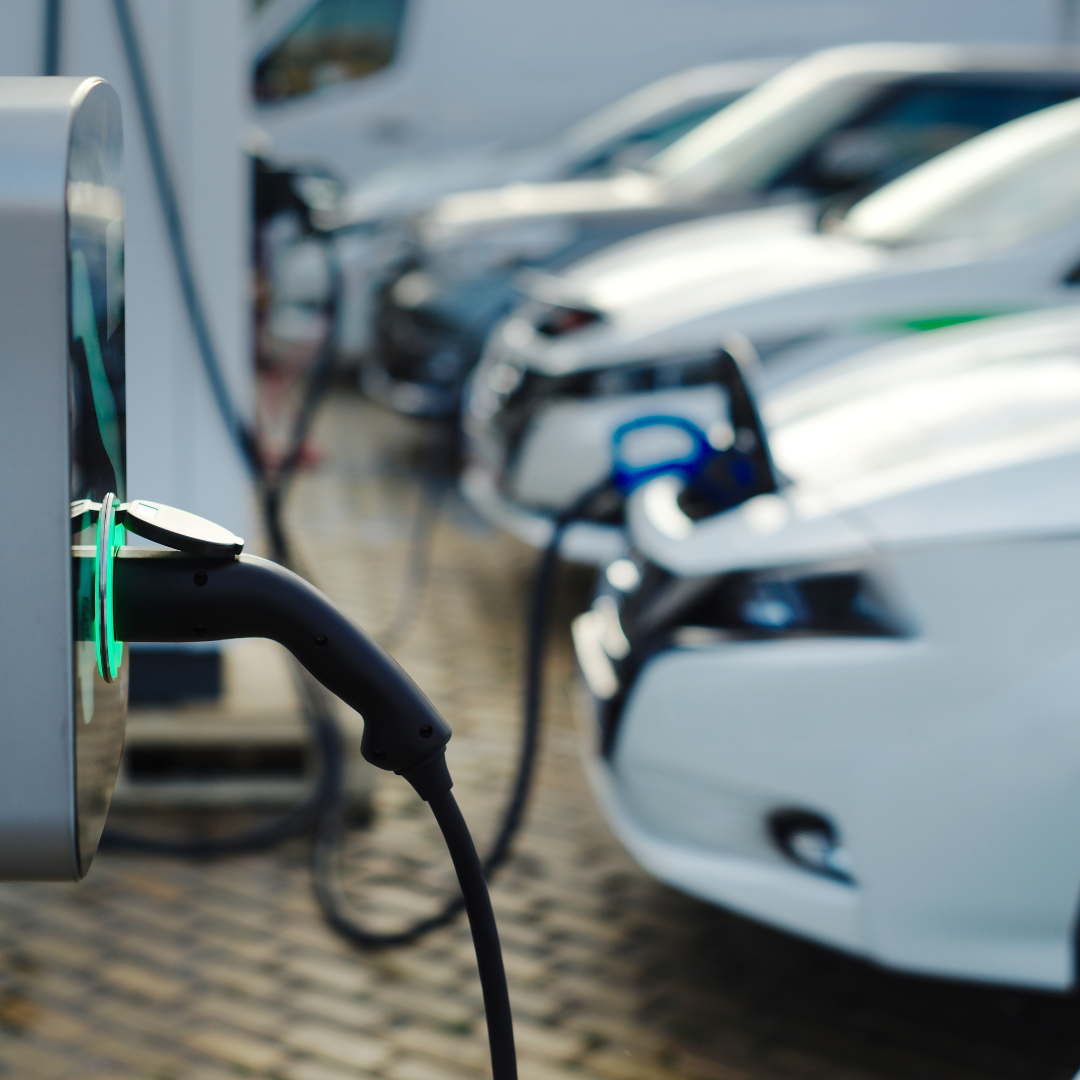
Integration of Electric Vehicles with Smart Grids Based on Renewable Energy: Towards a Greener Future
The rapid development of electric vehicle (EV) technology is aligned with the growing awareness of the importance of clean and sustainable energy. Integrating electric vehicles with smart grids powered by renewable energy is becoming one of the promising solutions to address the energy challenges of the future.
What Are Smart Grids and Electric Vehicles?
- Smart Grid: An intelligent electrical grid that utilizes information and communication technology to enhance the efficiency, reliability, and flexibility of the power system.
- Electric Vehicle (EV): A vehicle that uses electric energy as its primary source of propulsion, unlike conventional vehicles that rely on fossil fuels.
Integration of Electric Vehicles with Smart Grids
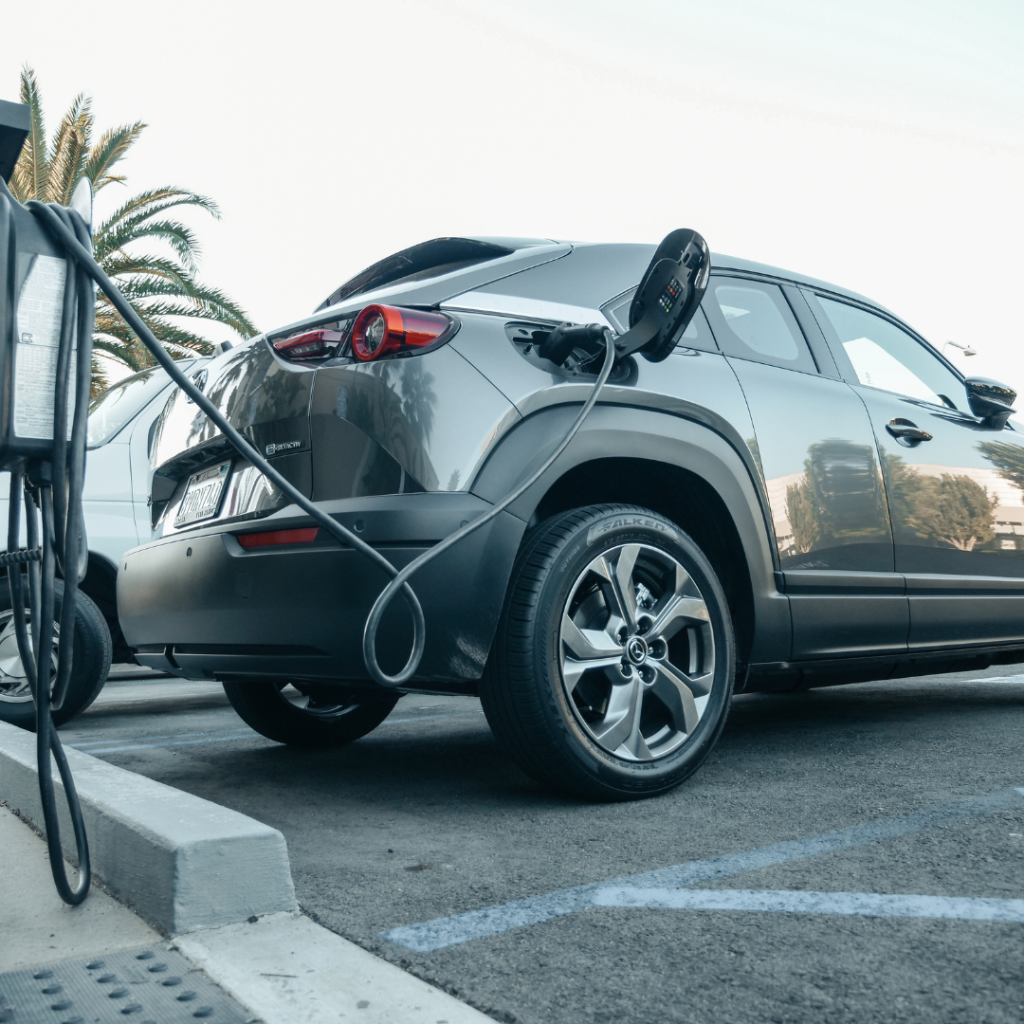
The integration of electric vehicles with smart grids offers several benefits, including:
- Reduction in Emissions: By switching to electric vehicles, greenhouse gas emissions can be significantly reduced, contributing to climate change mitigation efforts.
- Improved Air Quality: Reducing the use of fossil fuels will enhance air quality in urban areas.
- Grid Stability: Electric vehicles can act as energy storage units. When renewable energy production exceeds demand, EVs can store the excess energy in their batteries. Conversely, during peak electricity demand, the stored energy can be fed back into the grid.
- Increased Energy Efficiency: Smart grids enable more efficient energy management, including the charging of electric vehicles during times of low electricity demand.
Supporting Technologies for Integration
Several key technologies support the integration of electric vehicles with smart grids, such as:
- Vehicle-to-Grid (V2G): A technology that allows electric vehicles to return energy from their batteries to the grid when needed.
- Charging Management System: A system that optimizes the EV charging process based on energy availability and grid demand.
- Smart Meter: A device that enables real-time monitoring of energy consumption and two-way communication with the smart grid.
Challenges and Solutions
Despite the many benefits, the integration of electric vehicles with smart grids also faces several challenges, such as:
- Charging Infrastructure: There is a need for the development of sufficient charging infrastructure to support the growth of electric vehicles.
- Grid Stability: The large-scale integration of electric vehicles could impact grid stability if not managed properly.
- Cost: The cost of manufacturing electric vehicle batteries remains relatively high.
Solutions to these challenges include:
- Government and Industry Collaboration: Governments should provide incentives and regulations that support the development of electric vehicles and charging infrastructure. The automotive and energy industries need to collaborate on developing more efficient and affordable technologies.
- Research and Development: Intensive research is needed to develop batteries with larger capacities, lower costs, and faster charging times.
- Utilization of Renewable Energy: Integrating electric vehicles with renewable energy sources like solar and wind can improve the sustainability of the energy system.
The integration of electric vehicles with smart grids powered by renewable energy is a crucial step toward a more sustainable future. With ongoing technological development and the right policy support, we can create a cleaner and more efficient transportation system.dapat mewujudkan sistem transportasi yang lebih bersih dan efisien.