
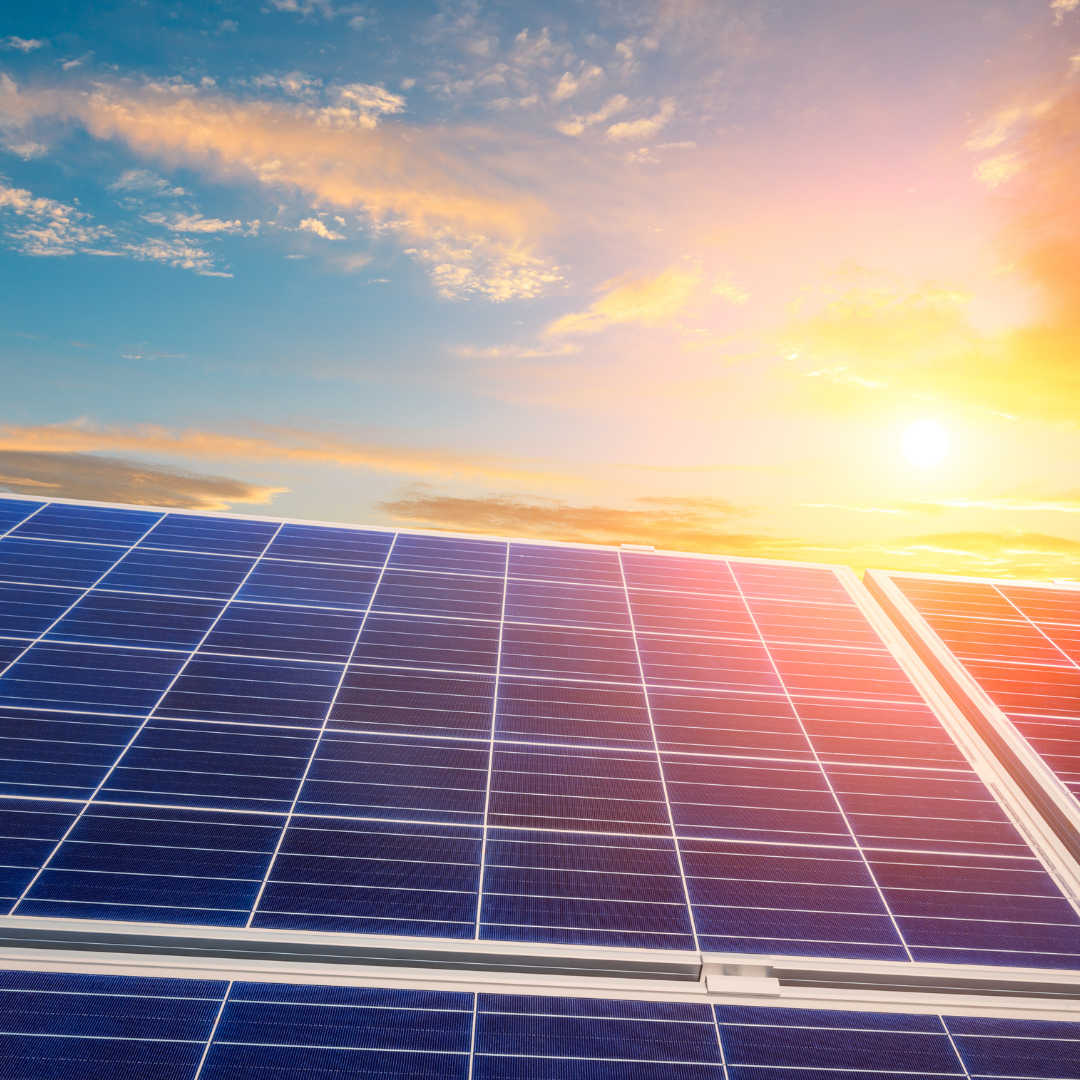
Innovation in Solar Panel Design: Bringing New Aesthetics to Buildings
Solar panels, once considered unattractive additions to buildings, have evolved into aesthetically pleasing and functional design components. With the growing awareness of the importance of clean and sustainable energy, innovations in solar panel design continue to progress rapidly.
Why is Solar Panel Design Important?
Integrating solar panels into architecture not only provides environmental benefits but also opens opportunities to create more modern and visually appealing building designs. Here are some reasons why solar panel design has become crucial:
- Aesthetics: Solar panels are now available in various shapes, sizes, and colors, allowing them to be customized to match the architectural style of a building.
- Aesthetic Value: The use of solar panels can enhance the aesthetic value of a building and make it more attractive to potential buyers or tenants.
- Building Identity: Unique solar panel designs can serve as a distinctive feature or identity for a building.
- Environmental Harmony: Solar panels can be designed to blend seamlessly with the surrounding environment, creating a more natural appearance.

Latest Innovations in Solar Panel Design
Several recent innovations in solar panel design are worth noting, including:
- Transparent Solar Panels: This technology allows sunlight to pass through the panels, making them suitable for use in windows or glass roofs.
- Colored Solar Panels: Solar panels are no longer just black; they are now available in a range of colors to match a building’s color palette.
- Solar Panels with Patterns: Solar panels can now be printed with various patterns, such as company logos or geometric designs.
- Integration of Solar Panels into Building Materials: Solar panels can be integrated into building materials such as tiles, bricks, or facades.
- Flexible Solar Panels: Flexible solar panels can be applied to curved or uneven surfaces.
Examples of Solar Panel Integration in Architectural Design
Many architects and designers have successfully integrated solar panels into their projects. Some interesting examples include:
- Solar Roofs: Building roofs can be fully or partially covered with solar panels, creating a unique and modern appearance.
- Solar Facades: Solar panels can be used as building facades, both as decorative elements and energy producers.
- Solar Canopies: Canopies with solar panels can provide sun protection while also generating energy.
Challenges and Opportunities in the Future
While significant progress has been made, there are still challenges to address in the development of solar panel designs, such as the relatively high production costs and design limitations for certain types of buildings. However, as technology continues to evolve and market demand increases, the opportunities for innovation in solar panel design will continue to expand.
Sumber : https://zonaebt.com/panel-surya/panel-surya-dan-desain-arsitektur-estetika-dan-fungsionalitas/