
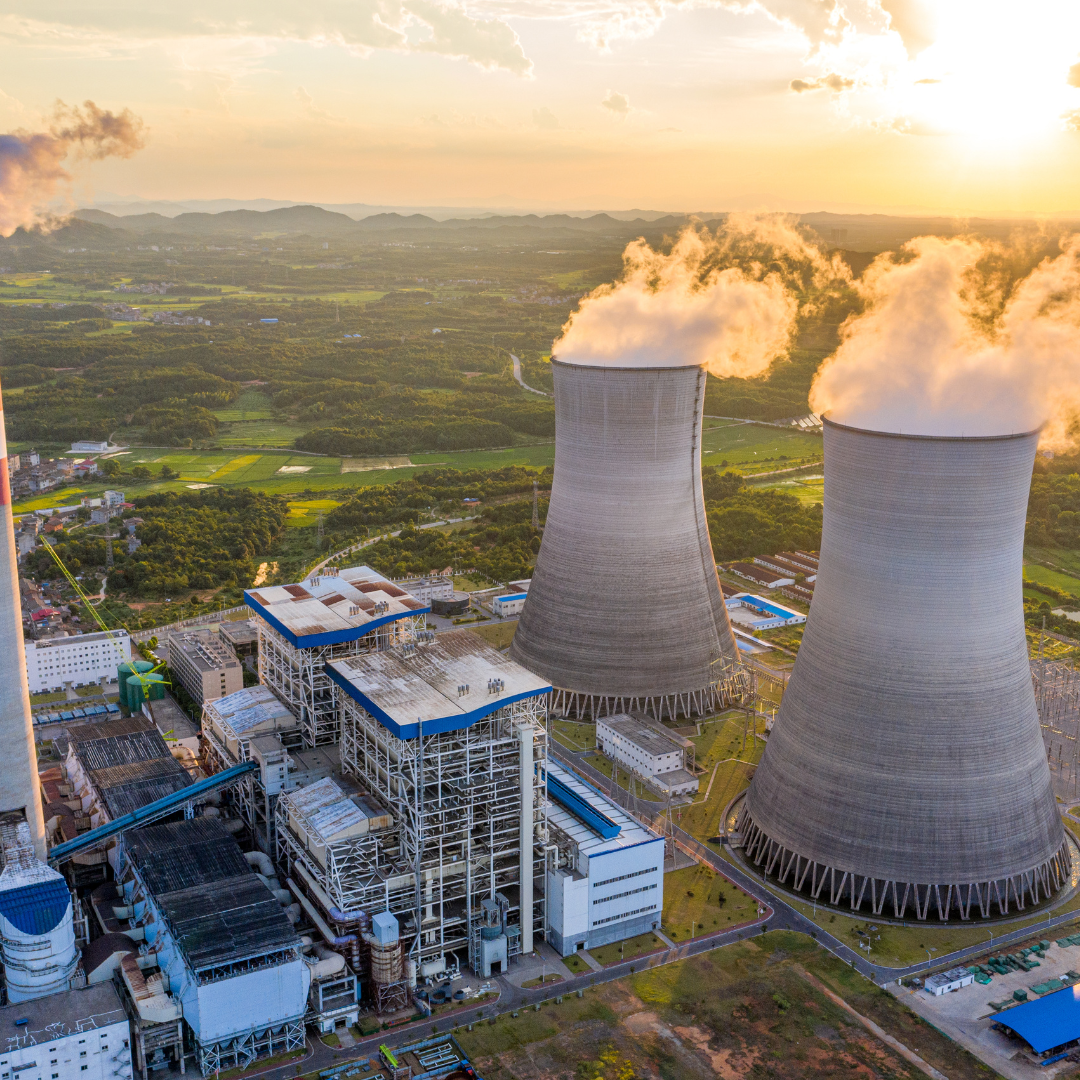
Geothermal Power Plant Technology: Clean Energy from the Earth
Amid the energy crisis and climate change, the search for clean and sustainable energy sources has become increasingly urgent. One promising alternative is geothermal energy. Geothermal power plant (PLTP) technology harnesses the heat stored inside the Earth to generate electricity. This geothermal energy originates from the Earth’s core and is stored in the form of steam or hot water beneath the surface.
How Does a Geothermal Power Plant Work?
In simple terms, the process of a geothermal power plant can be described as follows:
- Exploration: Potential geothermal heat sources are located through geophysical surveys and drilling.
- Steam Production: High-pressure geothermal steam is brought to the surface through production wells.
- Electricity Generation: The steam is used to rotate turbines connected to a generator, thus producing electricity.
- Reinjection: Condensed water from the electricity generation process is reinjected into the Earth to maintain pressure and temperature balance in the reservoir.
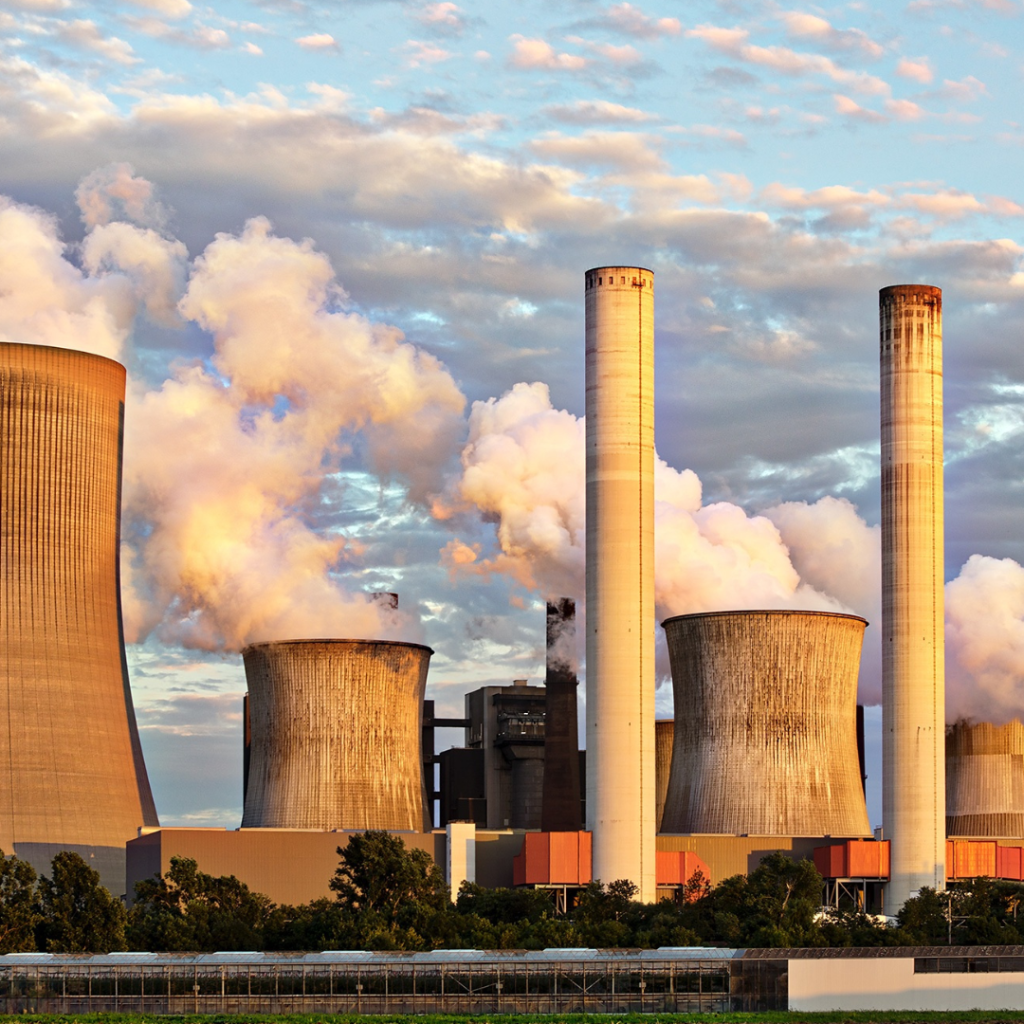
Types of Geothermal Power Plants
There are several types of geothermal power plants based on the conditions of the geothermal fluids being used:
- Dry Steam Power Plants: The simplest type, where geothermal steam is directly directed to the turbine.
- Flash Steam Power Plants: High-pressure geothermal fluid is released into a lower-pressure space, causing part of it to vaporize. The steam is then used to spin the turbine.
- Binary Cycle Power Plants: Geothermal fluid is used to heat a secondary working fluid (e.g., isobutane) with a lower boiling point. The steam from the working fluid then drives the turbine.
Advantages of Geothermal Power Plants
- Sustainable: Geothermal energy sources are vast and renewable.
- Environmentally Friendly: Greenhouse gas emissions are very low compared to conventional power plants.
- Stable Operation: Geothermal power plants can operate 24 hours a day, 7 days a week, unaffected by weather conditions.
- Versatile: Geothermal energy is not only used for electricity generation but also for space heating, agriculture, and industrial processes.
Challenges and Development of Geothermal Power Plants
Despite its many advantages, the development of geothermal power plants still faces some challenges, including:
- High Investment Costs: Initial investment in building a geothermal power plant is relatively high.
- Limited Location: Not all areas have economically viable geothermal resources.
- Complex Technology: Geothermal power plants involve complex technology and require specialized expertise.
To overcome these challenges, various efforts are underway, including:
- Technology Development: Ongoing research and development are focused on improving efficiency and reducing production costs.
- Government and Private Sector Collaboration: Governments and private companies need to work together to encourage investment in the geothermal sector.
- Utilizing Local Potential: Using local resources can reduce production costs and enhance added value.
Geothermal power plant technology is a highly promising solution for meeting future clean energy demands. With its numerous advantages, geothermal power can serve as the backbone of a sustainable energy system.
Source: Ministry of Energy and Mineral Resources (ESDM) of the Republic of Indonesia: [Add link to the official ESDM website regarding geothermal power plants]