
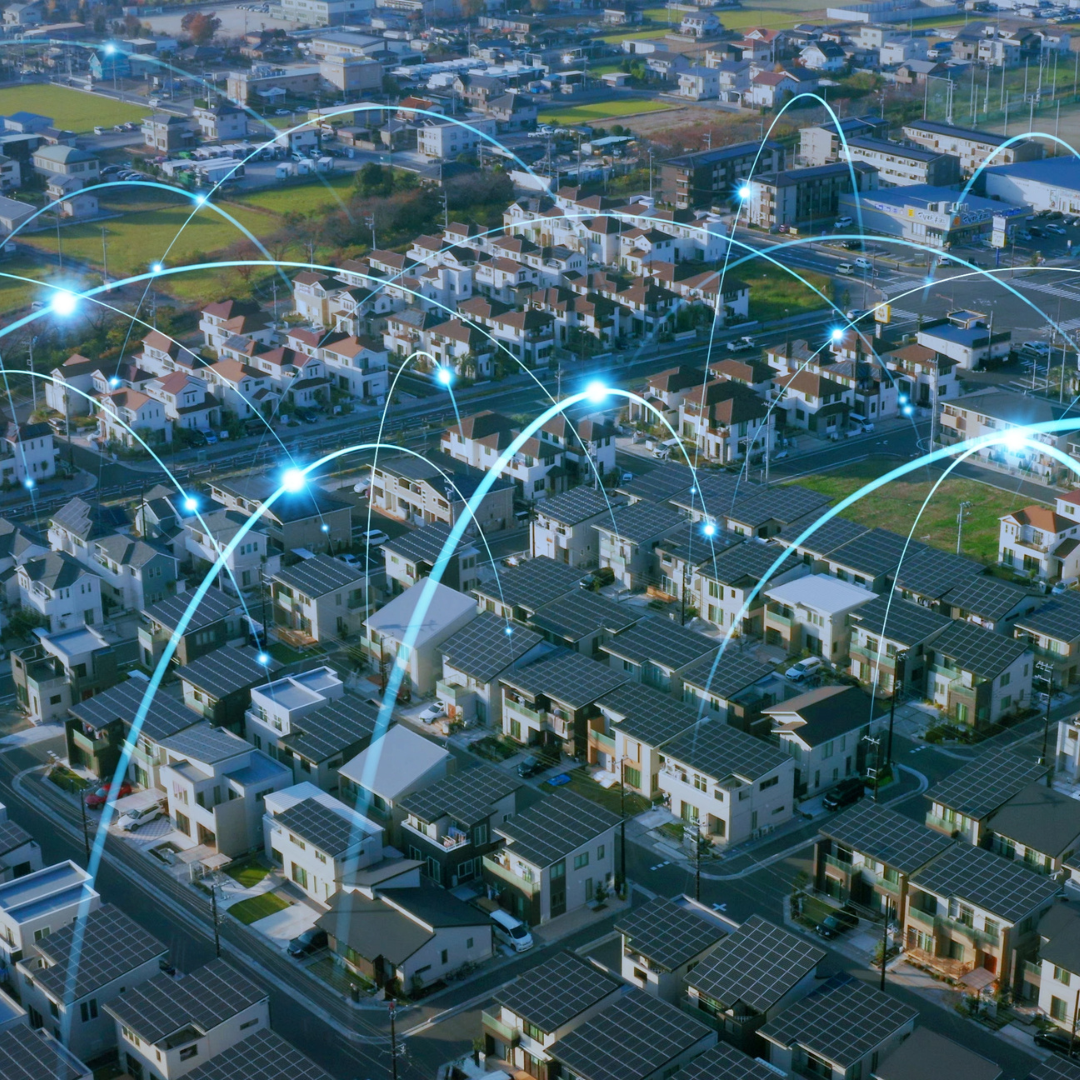
Smart Grid: Key to Renewable Energy Optimization
The development of renewable energy technologies, such as solar and wind power, has been a positive step toward reducing reliance on fossil fuels. However, the fluctuation in energy production from these renewable sources presents a unique challenge. This is where the role of the smart grid becomes crucial. A smart grid is a modern electricity network that utilizes information and communication technologies to improve the efficiency, reliability, and sustainability of the power system.
What is a Smart Grid?
A smart grid is an electricity network equipped with sensors, computers, and other communication devices that enable a two-way flow of energy. Unlike traditional passive electricity networks, a smart grid is active and can respond to changes in energy demand and supply in real time.
The Role of Smart Grids in Renewable Energy Optimization
- Renewable Energy Integration: Smart grids enable easier and more efficient integration of various renewable energy sources into the electricity network. With smart grids, energy generated from solar panels or wind turbines can be directly distributed to the grid or stored for later use.
- Demand Management: Smart grids can provide consumers with real-time information on their energy consumption. With this information, consumers can adjust their energy usage to avoid peak loads.
- Energy Storage Management: Smart grids can more efficiently manage energy storage systems like batteries. Energy produced during low-demand periods can be stored and used during high-demand times.
- Power Quality Improvement: Smart grids improve the quality of electricity by quickly identifying and addressing issues within the network.
- Emission Reduction: By optimizing the use of renewable energy and reducing overall energy consumption, smart grids contribute to lowering greenhouse gas emissions.

Key Components of a Smart Grid
- Sensors: Collect data on network conditions and energy consumption.
- Communication Devices: Enable data exchange among various components within the network.
- Control Systems: Regulate energy flow and respond to changes in demand and supply.
- Energy Storage Systems: Store energy produced during low-demand periods.
Challenges and Opportunities
Although smart grids offer many benefits, their development still faces several challenges, such as high investment costs, cybersecurity concerns, and standardization. However, with government support and increasing investments, smart grids have great potential to transform the energy landscape in the future.
Smart grids are essential for achieving a more efficient, sustainable, and reliable energy system. With their ability to integrate renewable energy sources, manage demand, and enhance power quality, smart grids will play a crucial role in the transition to a greener future.