
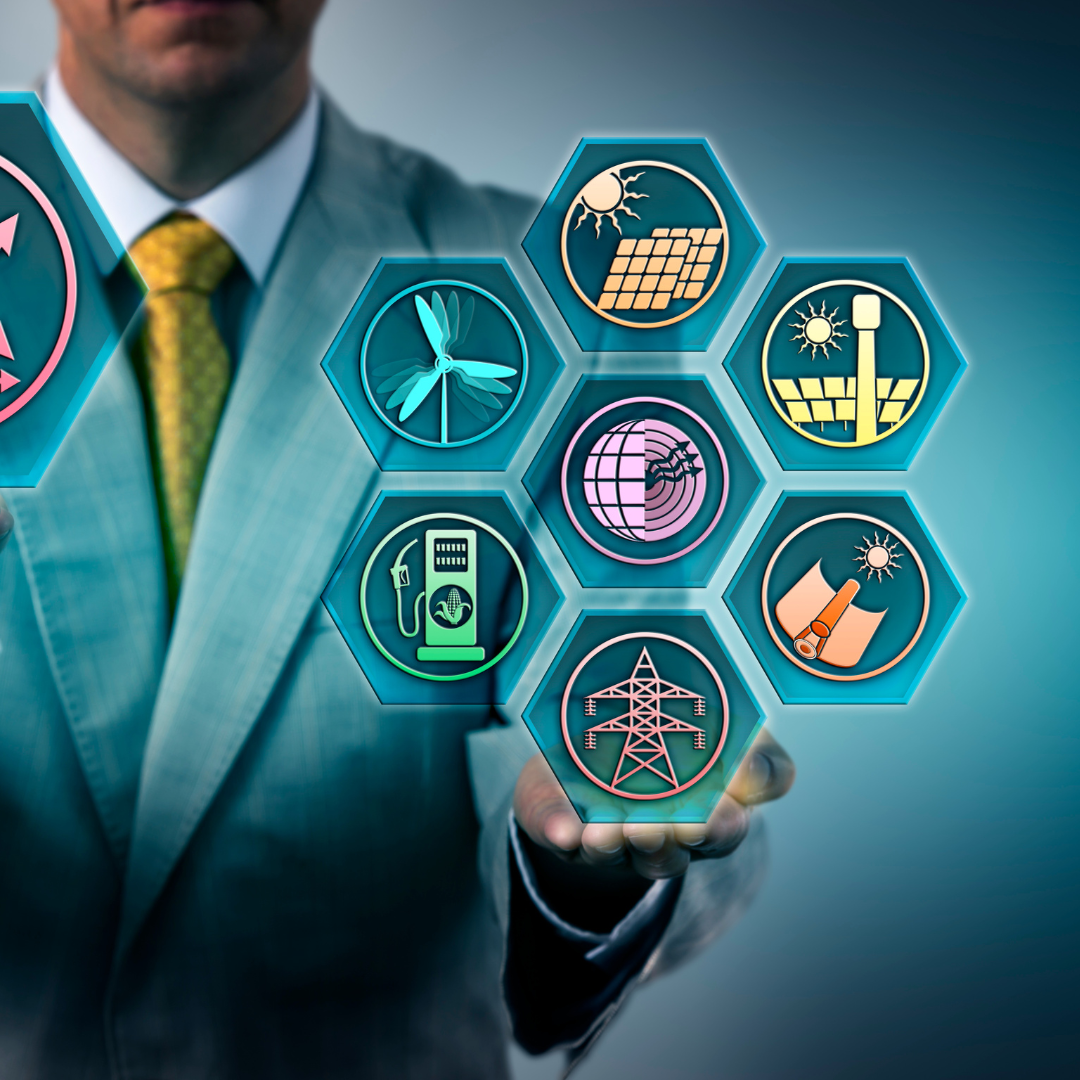
Supercapacitors: The Future of Energy Storage for Renewable Energy
The development of renewable energy technology is advancing rapidly. However, one of the main challenges in utilizing renewable energy is the unstable fluctuation in energy production. To address this, an efficient and fast energy storage system is needed. One promising technology is the supercapacitor.
What is a Supercapacitor?
A supercapacitor is an electronic component with a significantly higher energy storage capacity compared to conventional capacitors. Its working principle is based on the separation of electric charge on electrodes with a very large surface area. Supercapacitors offer several advantages over batteries, including:
- Fast charging and discharging power: Supercapacitors can be charged and discharged in seconds, unlike batteries, which take longer.
- Long lifespan: Supercapacitors can go through thousands of charge and discharge cycles without significant performance degradation.
- High power output: Supercapacitors can deliver very high power in a short period.
- Wide operating temperature range: Supercapacitors can operate across a broad temperature range.
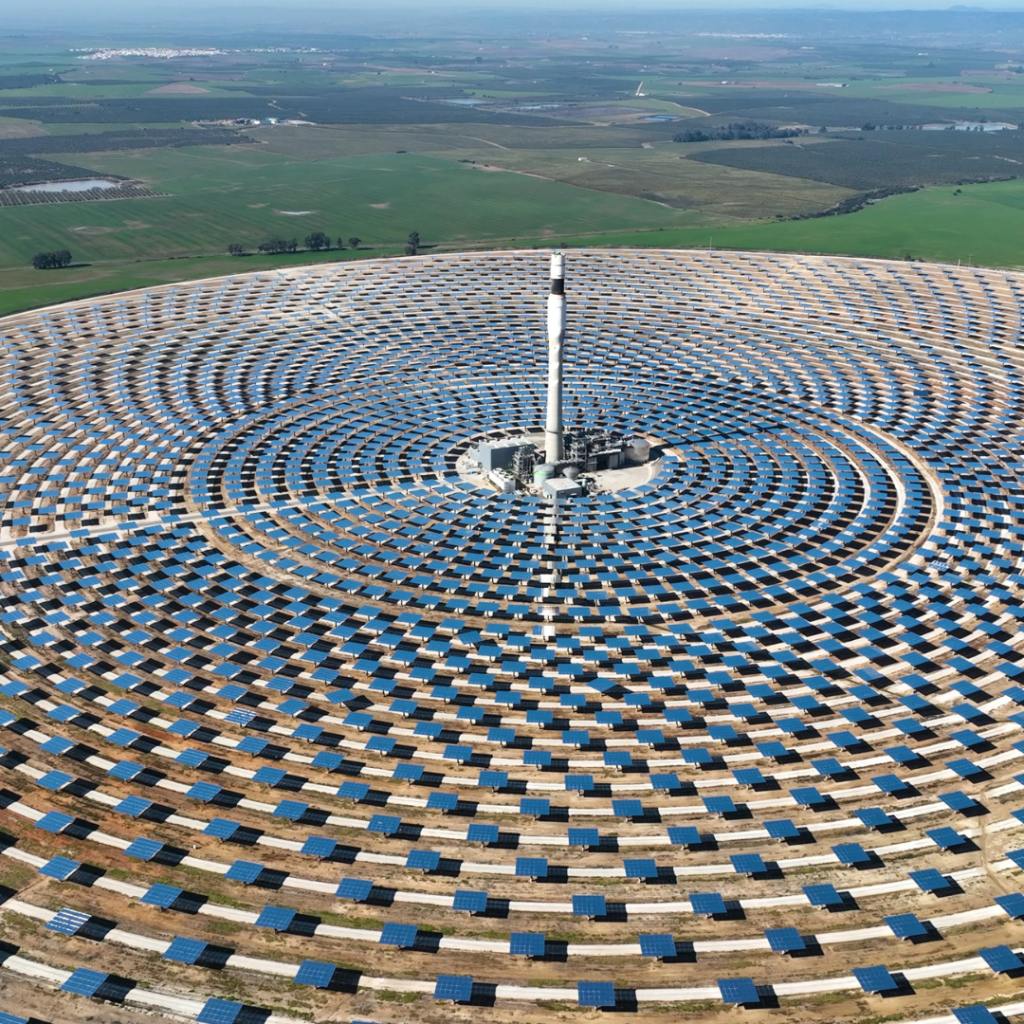
Applications of Supercapacitors in Renewable Energy
Supercapacitors have great potential in various renewable energy applications, such as:
- Solar power systems: Supercapacitors can store energy generated by solar panels during the day and release it at night or on cloudy days.
- Electric vehicles: Supercapacitors can complement batteries in electric vehicles to enhance acceleration and power.
- Wind power generation systems: Supercapacitors can help stabilize the power fluctuations produced by wind turbines.
- Portable electronic devices: Supercapacitors can serve as backup power sources for electronic devices like cell phones and laptops.
Challenges and Future Developments
Despite their many advantages, supercapacitors still face some challenges, including:
- Limited energy capacity: Compared to batteries, the energy capacity of supercapacitors is still relatively low.
- High cost: The production cost of supercapacitors remains relatively high.
However, researchers are making various efforts to overcome these challenges. Some of the ongoing developments include:
- Development of new electrode materials: By using electrode materials with larger surface areas, it is expected to increase the energy capacity of supercapacitors.
- Design optimization: More efficient supercapacitor designs can help reduce production costs.
- Integration with other technologies: Integrating supercapacitors with other technologies, such as batteries, can create more complex and efficient energy storage systems.
Supercapacitors have tremendous potential to become key components in future renewable energy systems. With the continuous advancement of technology, supercapacitors are expected to overcome existing challenges and find more applications in various fields.
Source: https://repository.its.ac.id/52357/1/07111440000069-Undergraduate_Theses.pdf