

Renewable Energy for Rural Schools: Towards a Brighter Future
Access to reliable and sustainable electricity is a key factor in improving the quality of education. Unfortunately, many schools in rural areas still face challenges in terms of electricity availability. The use of renewable energy offers a promising solution to address this issue.
Why Renewable Energy for Rural Schools?
- Availability of Resources: Rural areas generally have abundant renewable energy resources such as sunlight, wind, and biomass.
- Low Operational Costs: After the initial investment, the operational costs of renewable energy tend to be lower compared to fossil fuels.
- Environmental Benefits: The use of renewable energy can reduce greenhouse gas emissions and help preserve the environment.
- Energy Independence: Schools can become more self-sufficient in meeting their energy needs, reducing reliance on the main electrical grid.
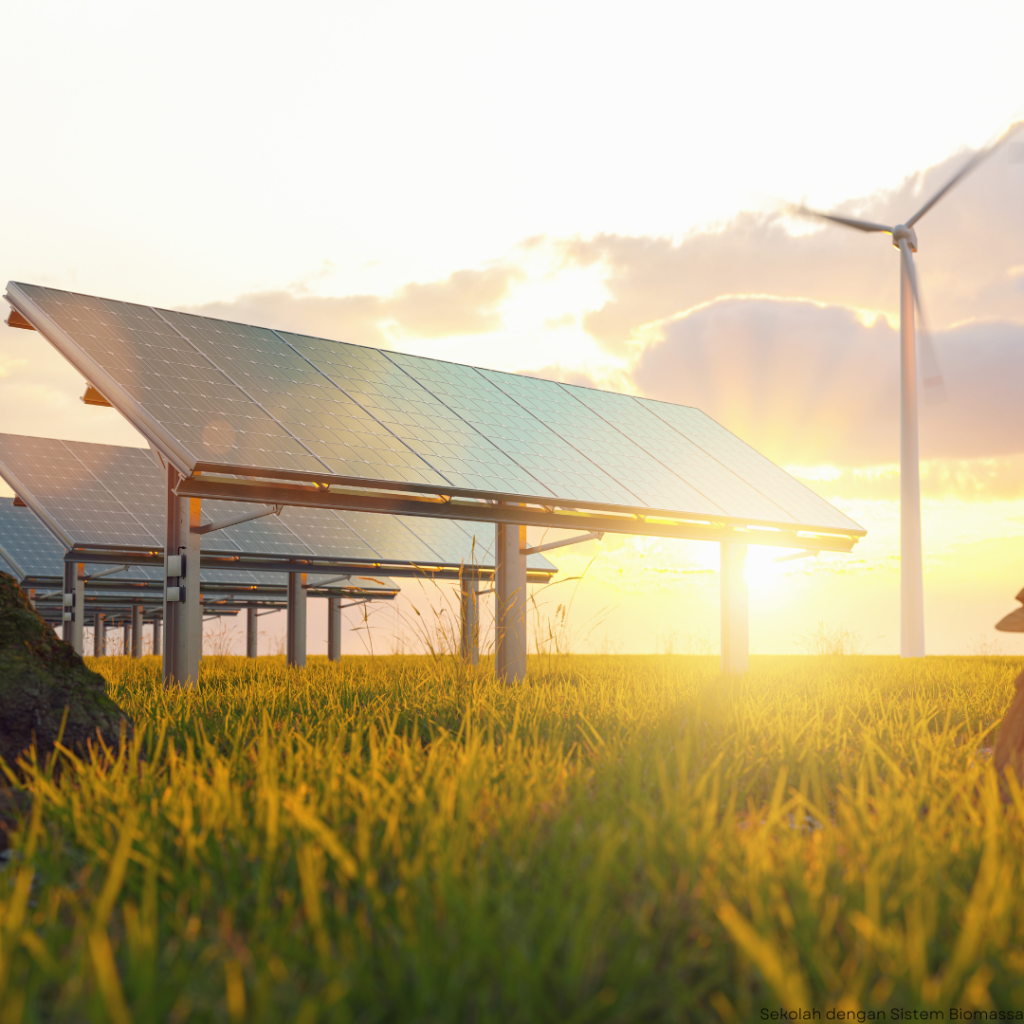
Types of Renewable Energy Suitable for Rural Schools
- Solar Power: Solar panels can be installed on school roofs to generate electricity. Solar energy is ideal for areas with high sunlight intensity.
- Wind Power: Small wind turbines can be set up in open areas around the school, especially in windy regions.
- Biomass: Organic waste from the school or surrounding community can be converted into biogas to generate electricity or be used for cooking.
Benefits of Using Renewable Energy in Rural Schools
- Improved Education Quality: With reliable electricity, schools can use various electronic devices to support the teaching and learning process, such as computers, projectors, and laboratories.
- A More Comfortable Learning Environment: Adequate lighting and proper ventilation create a more comfortable and healthy learning environment for both students and teachers.
- Raising Environmental Awareness: The use of renewable energy can serve as an educational tool for students to understand the importance of environmental conservation.
- Enhancing School Independence: Schools can become role models for the surrounding community in adopting renewable energy technologies.
Challenges and Solutions
- Initial Investment Costs: The cost of installing renewable energy equipment can be high. However, with various subsidy programs and support from government agencies and non-governmental organizations, these costs can be mitigated.
- Technology: Choosing the right technology that matches the geographical and climatic conditions of the area is crucial.
- Maintenance: Regular maintenance of renewable energy equipment is necessary to ensure its efficient performance.
Examples of Implementation
Several schools in Indonesia have successfully implemented renewable energy. For instance, Elementary School X in Village Y has installed solar panels to meet its electricity needs. This not only enhances the quality of education but also provides economic benefits to the school.
The use of renewable energy in rural schools is a crucial step toward achieving sustainable development goals. With support from various stakeholders, we can create self-sufficient, environmentally friendly, and competitive schools.
Sumber : Kementerian Energi dan Sumber Daya Mineral: Situs web Kementerian ESDM menyediakan informasi mengenai kebijakan dan program pengembangan energi terbarukan di Indonesia.