
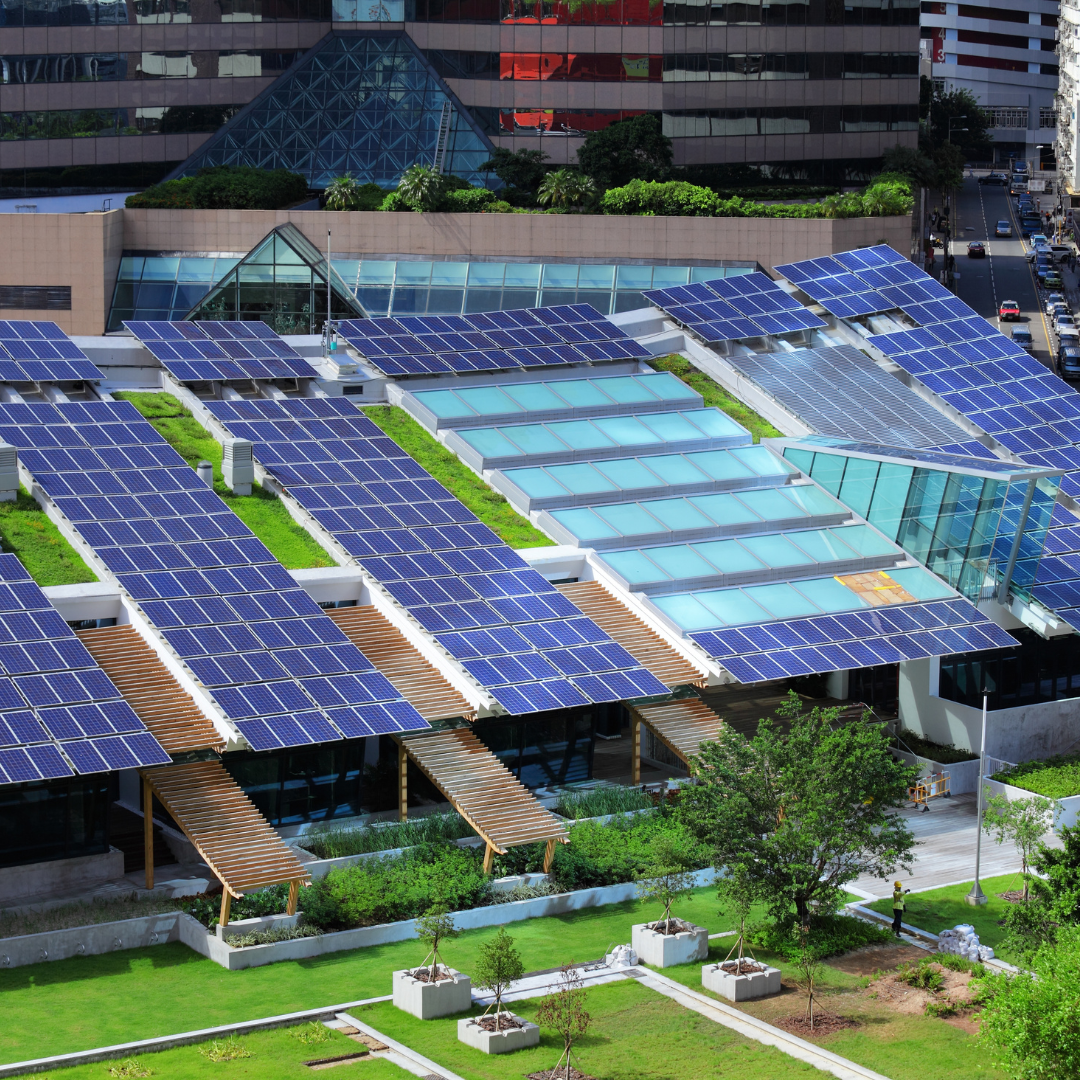
Design and Implementation of Solar Panels in Buildings: Towards Sustainable Structures
The rapid development of renewable energy technologies, especially solar panels, is increasingly becoming a viable solution for reducing dependence on fossil fuels and creating more sustainable buildings. The use of solar panels in buildings is growing in popularity as a way to reduce energy costs and promote sustainability. This article will discuss the design and implementation of solar panels in buildings, from planning to the benefits that can be gained.
Why Choose Solar Panels for Buildings?
- Sustainability: Solar energy is a clean and limitless energy source, helping to reduce greenhouse gas emissions.
- Cost Savings: Electricity costs can be significantly reduced in the long run.
- Added Value: Buildings with solar panels have higher market value and are considered more environmentally friendly.
- Energy Independence: Solar panels allow buildings to generate part or all of the electricity they need.
Design and Implementation Phases for Solar Panels
- Potential Analysis: Assessing the solar energy potential that the building receives, the available roof area, and the building’s electricity needs.
- System Planning: Designing a suitable solar panel system, including selecting the type of panels, inverters, and other supporting components.
- Permits: Securing the necessary permits, both from local authorities and the national electricity company.
- Installation: Installing the solar panels on the roof or facade of the building.
- Monitoring and Maintenance: Regularly monitoring system performance and performing routine maintenance.
Factors to Consider
- Orientation: Solar panels should be installed facing the sun with an optimal tilt to maximize sunlight absorption.
- Panel Quality: Choose high-quality solar panels with long warranties.
- Inverters: Inverters are essential for converting direct current (DC) from the solar panels into alternating current (AC) that can be used by electrical appliances.
- Energy Storage: To use solar energy at night or during cloudy weather, an energy storage system such as batteries can be added.
- Building Integration: The design of the solar panels should be integrated with the overall building design to ensure aesthetic appeal.
Benefits of Implementing Solar Panels in Buildings
- Carbon Emission Reduction: Helps reduce greenhouse gas emissions and mitigate the effects of climate change.
- Electricity Cost Savings: Lowers monthly electricity bills.
- Energy Independence: Reduces reliance on the public electricity grid.
- Increased Property Value: Buildings with solar panels are considered more attractive and have higher resale value.
- Corporate Image Enhancement: Demonstrates a company’s commitment to environmental responsibility.
Examples of Solar Panel Implementation in Indonesia

The implementation of solar panels in buildings is a crucial step toward creating more sustainable structures. With proper planning and the selection of appropriate technology, solar panels can provide significant benefits for both building owners and the environment.
Source: Directorate General of New, Renewable Energy, and Energy Conservation. (2023). Potentials and Challenges of Solar Energy Development in Indonesia. Jakarta: Ministry of Energy and Mineral Resources.