
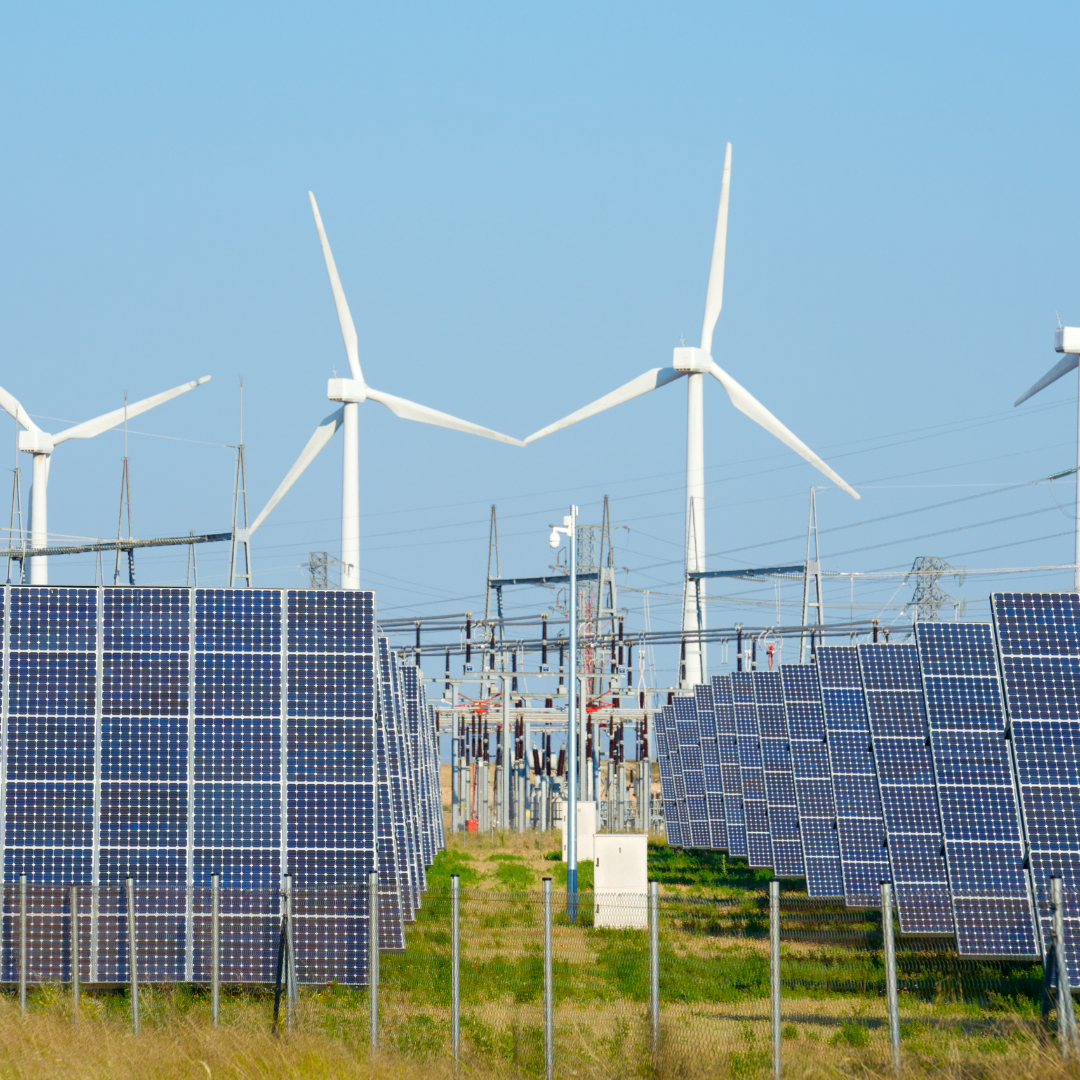
The Challenges of Renewable Energy in Extreme Climates: Seeking Solutions Amid Climate Change
Renewable energy is increasingly seen as a solution to address the climate crisis. However, its implementation is not without various challenges, especially in regions with extreme climates. The growing unpredictability of climate change is making reliance on renewable energy sources more complex. This article will discuss some of the main challenges faced by renewable energy in extreme climate conditions, as well as efforts that can be made to overcome them.
Main Challenges of Renewable Energy in Extreme Climates
- Fluctuations in Energy Production:
- Solar Energy: Extreme weather such as sandstorms, heavy rainfall, or thick snow can reduce the intensity of sunlight reaching solar panels.
- Wind Energy: Unstable wind speeds caused by climate change can affect wind energy production.
- Hydropower: Prolonged droughts or flash floods can disrupt hydropower energy production.
- Vulnerable Infrastructure:
- Physical Damage: Renewable energy equipment like wind turbines and solar panels can be damaged by strong winds, hailstorms, or extreme temperatures.
- Grid Disruptions: Storms and other natural disasters can damage power distribution grids, hindering the supply of energy to consumers.
- High Maintenance Costs:
- Extra Maintenance: Renewable energy equipment in extreme regions requires more frequent and intensive maintenance to keep it operational.
- Component Replacements: Damage caused by extreme weather often necessitates expensive component replacements.
- Energy Storage Challenges:
- High Demand: Fluctuations in renewable energy production require large and efficient energy storage systems to ensure a stable electricity supply.
- Developing Technology: Energy storage technologies, such as batteries, are still evolving and have not yet fully met the demand.
Efforts to Address These Challenges
- Technology Development:
- More Durable Materials: Developing materials resistant to extreme weather for renewable energy components.
- Better Energy Storage Systems: Investing in research and development of larger capacity and lower-cost batteries.
- Improving Weather Forecasting:
- Accurate Weather Data: Using more accurate weather data to predict energy production fluctuations and optimize system operations.
- Energy System Integration:
- Smart Grids: Developing smart electrical grids that can more efficiently manage energy supply from various sources.
- Supporting Policies:
- Incentives: Governments need to provide incentives to encourage investment in renewable energy technologies that can withstand extreme climates.
- Regulations: Creating regulations that support the integration of renewable energy into existing energy systems.
Renewable energy has great potential to address climate change, but the challenges it faces—especially in regions with extreme climates—must not be overlooked. Through technological development, improved weather forecasting, better energy system integration, and appropriate policy support, we can overcome these challenges and ensure a successful energy transition.
Sumber : IPCC, 2021: Climate Change 2021: The Physical Science Basis.