
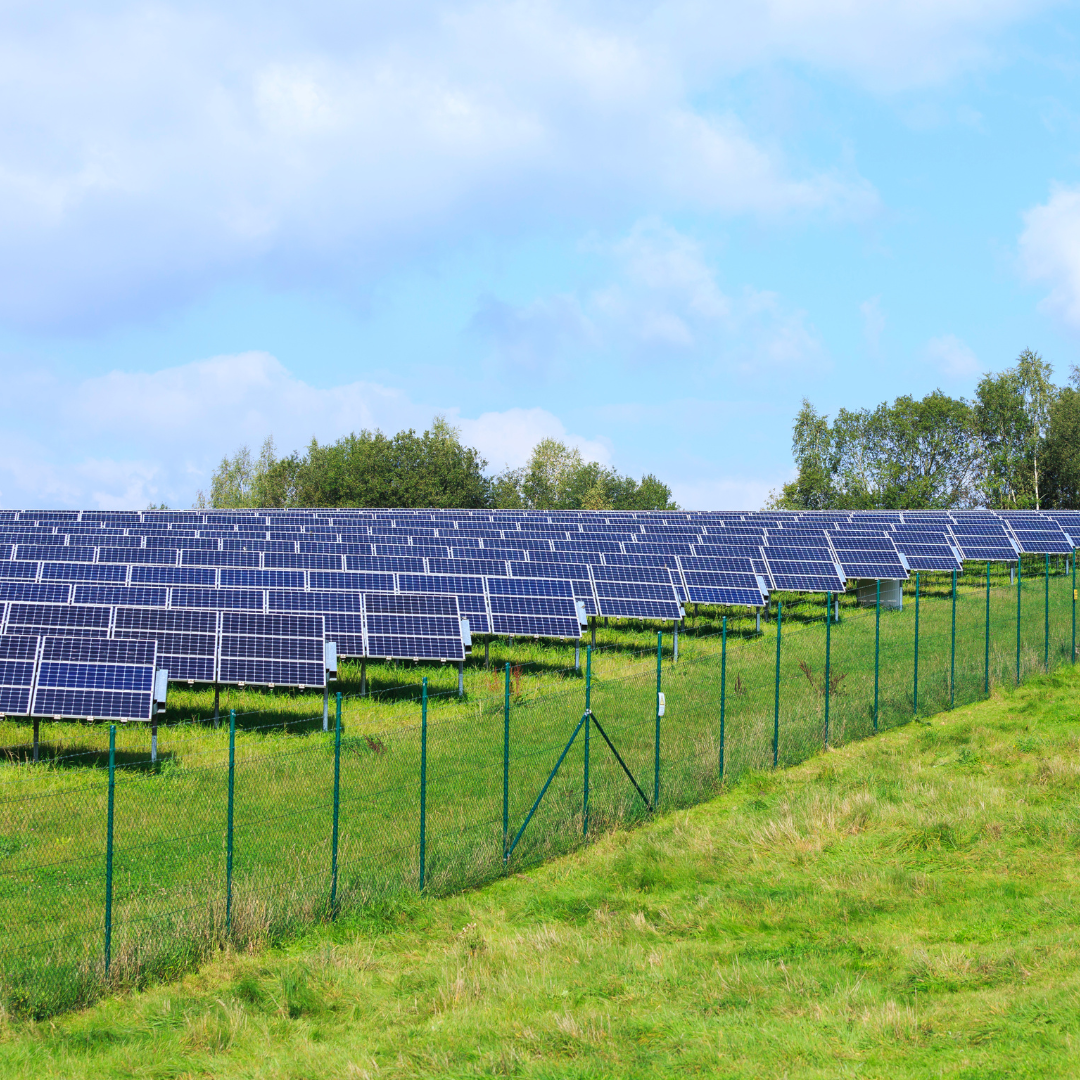
The Potential of Solar Energy in the Agricultural Sector: Towards Sustainable Farming
Solar energy, as an abundant and environmentally friendly energy source, offers a promising solution to enhance productivity and sustainability in the agricultural sector. By utilizing solar technology, farmers can reduce dependency on fossil fuels, increase production efficiency, and contribute to environmental conservation.
Utilization of Solar Energy in Agriculture
Solar energy can be applied in various agricultural aspects, including:
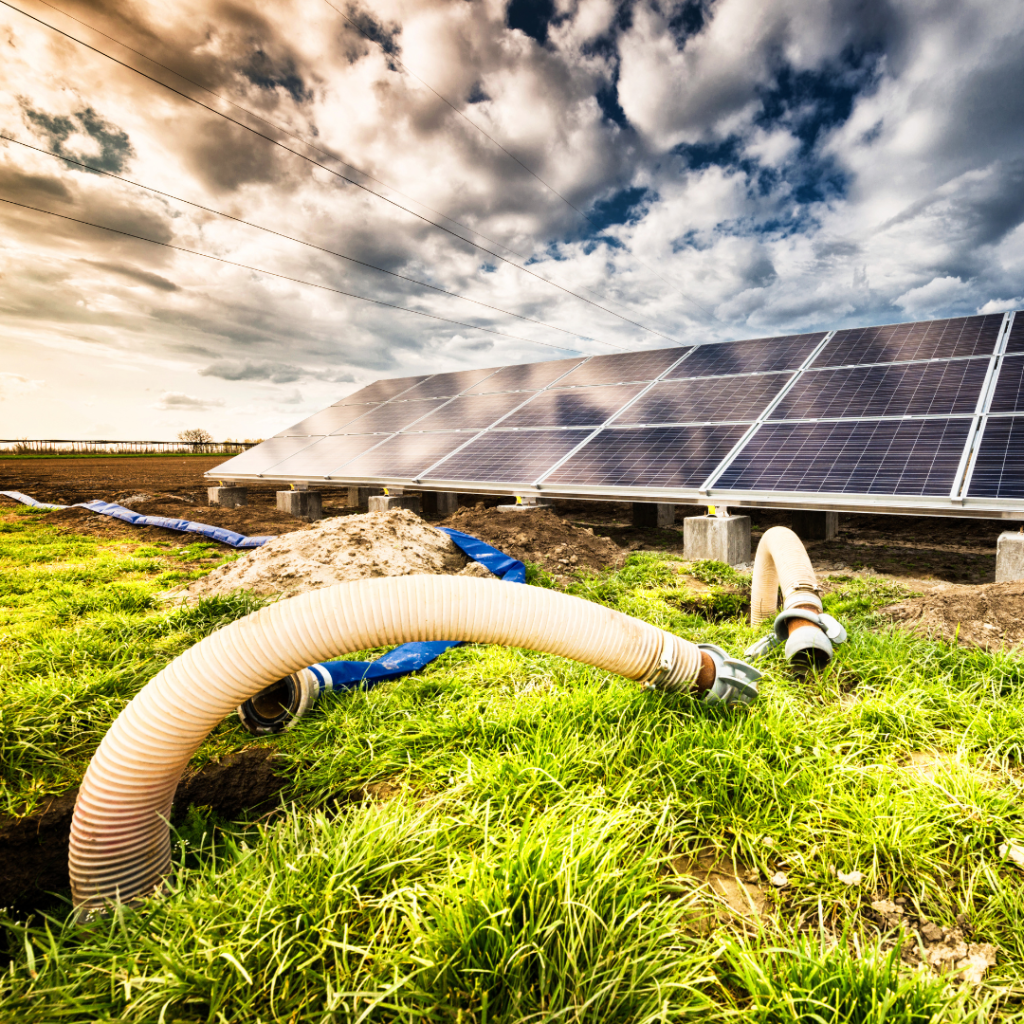
- Irrigation: Solar-powered water pumps can optimize water use for irrigation, especially in areas with limited water supply.
- Lighting: Solar LED lights can be used to illuminate greenhouses, livestock barns, and other work areas, boosting productivity and improving crop quality.
- Drying: Solar-powered crop dryers can extend the shelf life of harvested produce and reduce the risk of spoilage due to humidity.
- Heating: Solar water heaters can provide hot water for various agricultural needs, such as equipment cleaning and greenhouse heating.
- Cooling: Solar-powered cooling systems can help maintain optimal storage temperatures for agricultural products.
- Agrovoltaics: This involves combining agriculture with solar power generation by installing solar panels above or between crop rows.
Advantages of Using Solar Energy in Agriculture
- Sustainability: Solar energy is a clean, unlimited source that reduces greenhouse gas emissions and minimizes environmental impact.
- Efficiency: Solar energy use can enhance agricultural production efficiency, allowing farmers to better manage water and energy consumption.
- Energy Independence: Farmers can reduce their reliance on the power grid and become more self-sufficient in meeting their energy needs.
- Cost Savings: Although initial investment in solar technology may be high, long-term operational cost savings can offset this expense.
Challenges and Solutions
Despite its significant potential, using solar energy in agriculture still faces several challenges, such as:
- Initial Costs: The upfront investment required for solar equipment installation remains relatively high.
- Technology Availability: Access to suitable technology that meets the specific needs of farmers in various regions is still limited.
- Skills: Farmers need knowledge and skills to operate and maintain solar equipment.
To overcome these challenges, support from the government, research institutions, and private sector is essential, including supportive policies, affordable technology development, and training programs for farmers.
Solar energy has enormous potential to revolutionize the agricultural sector. By adopting solar technology, farmers can improve productivity, reduce production costs, and contribute to sustainable agricultural development.
Sumber : https://gokomodo.com/blog/keuntungan-penggunaan-tenaga-surya-pada-sektor-pertanian