
Implementation of Renewable Energy Systems for Military Installations: A Step Towards Energy Independence
In an era increasingly aware of the importance of sustainability, the military sector is also beginning to shift toward cleaner, more environmentally friendly energy sources. The implementation of renewable energy systems in military installations offers several advantages, from reducing dependence on fossil fuels to enhancing energy security.
Why is Renewable Energy Important for the Military?
- Energy Independence: By utilizing renewable energy, military installations can reduce reliance on external energy supplies, making them more self-sufficient and resilient to disruptions.
- Cleaner Environment: The use of renewable energy helps reduce greenhouse gas emissions and air pollution, contributing positively to the environment.
- Lower Operational Costs: In the long run, renewable energy can lower operational costs because the price of renewable energy tends to be more stable compared to fossil fuels.
- Energy Resilience: Distributed renewable energy systems can enhance the energy resilience of military installations against attacks or natural disasters.

Types of Renewable Energy Suitable for Military Installations
Several types of renewable energy are particularly well-suited for use in military installations, including:
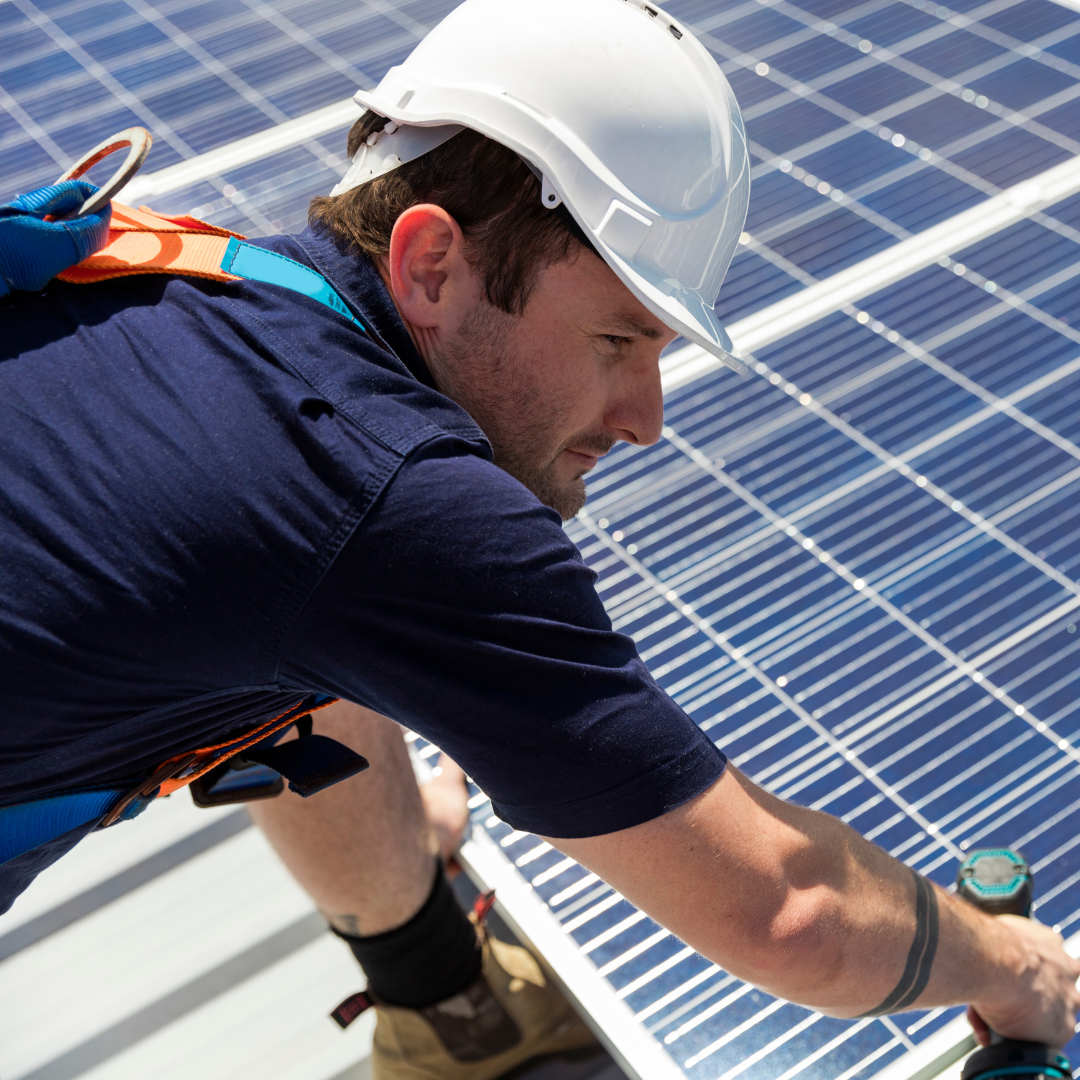
- Solar Power: Solar panels can be installed on various surfaces, such as building rooftops, military vehicles, and equipment.
- Wind Power: Wind turbines can be deployed in areas with high wind potential to generate electricity.
- Biomass: Organic waste from kitchens or agricultural operations can be converted into heat or electricity.
- Hydrogen Fuel Cells: This technology allows for the efficient conversion of chemical energy from hydrogen into electricity.
Challenges and Solutions
While renewable energy offers many benefits, the implementation of renewable energy systems in military installations faces several challenges, such as:
- High Initial Costs: The upfront investment required to build renewable energy systems can be significant.
- Space Limitations: Not all military installation sites have enough space to install solar panels or wind turbines.
- Extreme Environmental Conditions: Some military installations are located in areas with extreme environmental conditions, such as very high or low temperatures, which can affect equipment performance.
To address these challenges, several solutions can be implemented, including:
- Creative Financing: Governments can provide incentives or subsidies to encourage investment in renewable energy for the military sector.
- Design Optimization: Optimizing the design of renewable energy systems to adapt to environmental conditions and space limitations.
- Technology Development: Ongoing research and development to improve the efficiency and reduce the cost of renewable energy technologies.
Global Examples of Implementation
Several countries have successfully implemented renewable energy systems in their military installations. For example, the United States has installed solar panels at many of its military bases, while Germany has developed wind power generation systems integrated with its military electricity grid.
The implementation of renewable energy systems in military installations is a crucial step toward energy independence and a cleaner environment. With the right policy support and continuous technological development, the future of military energy will be increasingly sustainable.
Sumber : https://journal.upy.ac.id/index.php/pkn/article/download/3168/pdf/7737