
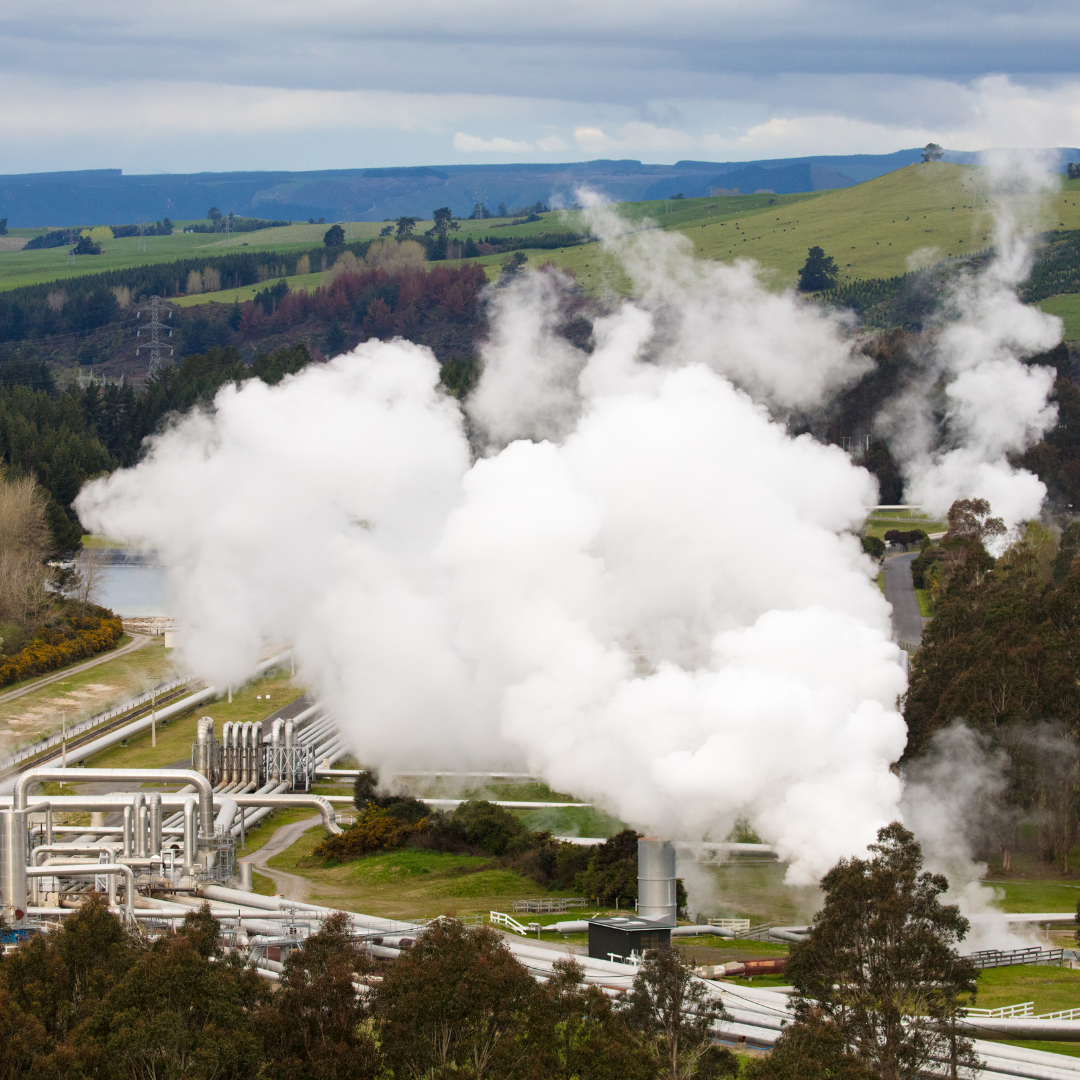
Environmental Impacts of Geothermal Energy: Between Benefits and Challenges
Geothermal energy, as a renewable energy source, is often hailed as an environmentally friendly solution. However, like other technologies, the use of geothermal energy also has environmental impacts. Let’s take a closer look at these impacts.
Positive Impacts of Geothermal Energy
Low Greenhouse Gas Emissions:
Compared to fossil fuel-based power plants, geothermal power plants produce significantly lower greenhouse gas emissions. This contributes to efforts to mitigate climate change.
Conservation of Natural Resources:
By utilizing geothermal energy, we reduce our dependence on fossil fuels, which are depleting over time.
Minimal Land Use:
Compared to solar or wind power plants, geothermal power plants require relatively less land.
Negative Impacts of Geothermal Energy
Greenhouse Gas Emissions (Not Zero):
Although geothermal power plants have low emissions, they still produce some greenhouse gases, particularly during the construction and maintenance phases.
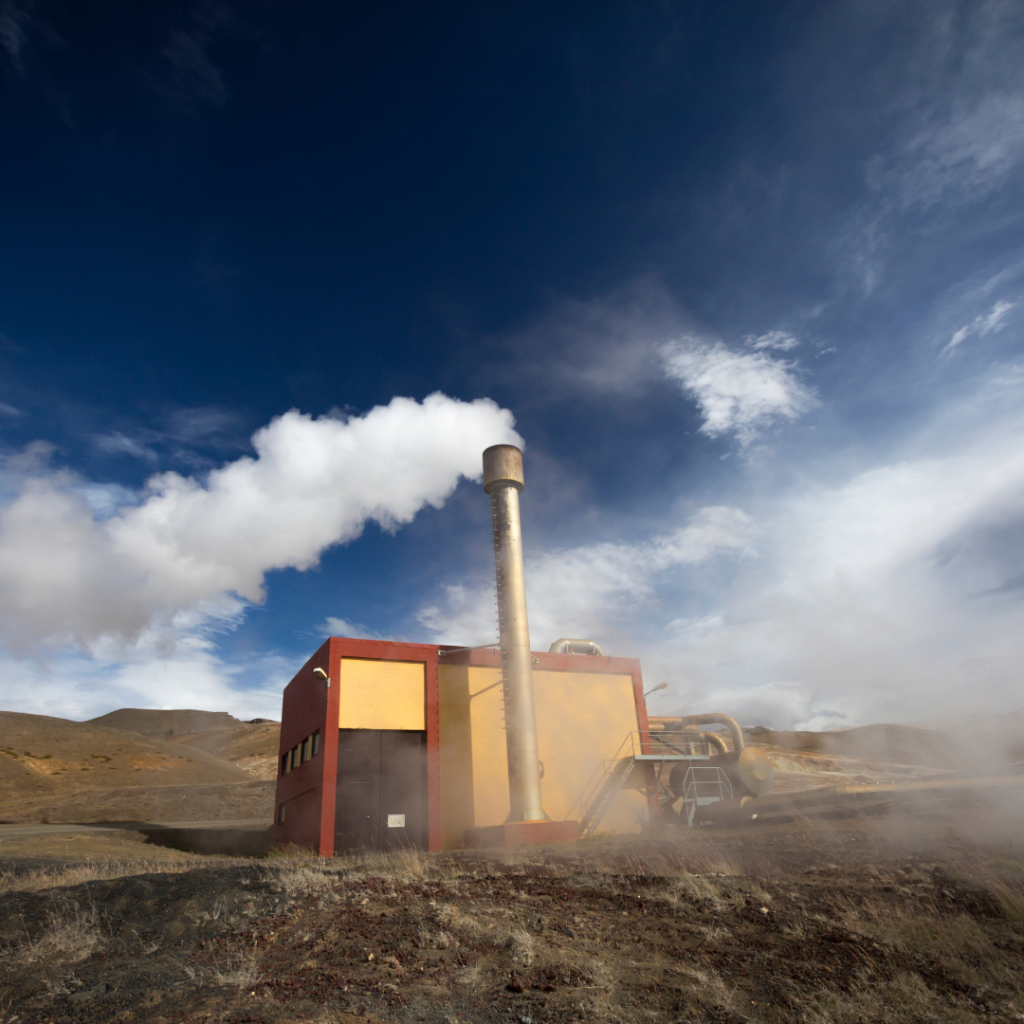
Water Pollution:
The drilling and steam production processes can lead to groundwater and surface water pollution if not properly managed. Dissolved substances such as boron, arsenic, and heavy metals can contaminate water sources.
Induced Earthquakes:
Drilling activities and steam production can trigger small earthquakes. Although this is rare, it remains a potential risk that needs to be considered.
Ecosystem Disruption:
The construction of geothermal infrastructure may disrupt the natural habitats of flora and fauna around the project site.
Mitigating Negative Impacts
To minimize the negative impacts of geothermal energy, several mitigation measures can be taken, including:
- Proper Water Management:
Proper treatment of wastewater to prevent environmental contamination. - Seismic Monitoring:
Regular seismic monitoring to detect potential earthquakes early on. - Land Rehabilitation:
Rehabilitating land after production to restore the ecological function of the area. - Environmentally Friendly Technology:
Developing new, more efficient, and environmentally friendly technologies.
Geothermal energy has great potential to become a clean and sustainable energy source. However, we must recognize that its utilization is not entirely free from environmental impacts. With proper management and the application of the right technologies, the negative effects of geothermal energy can be minimized.
Source: Directorate General of New, Renewable Energy, and Energy Conservation (EBTKE): The official government website providing comprehensive information about geothermal energy in Indonesia.