
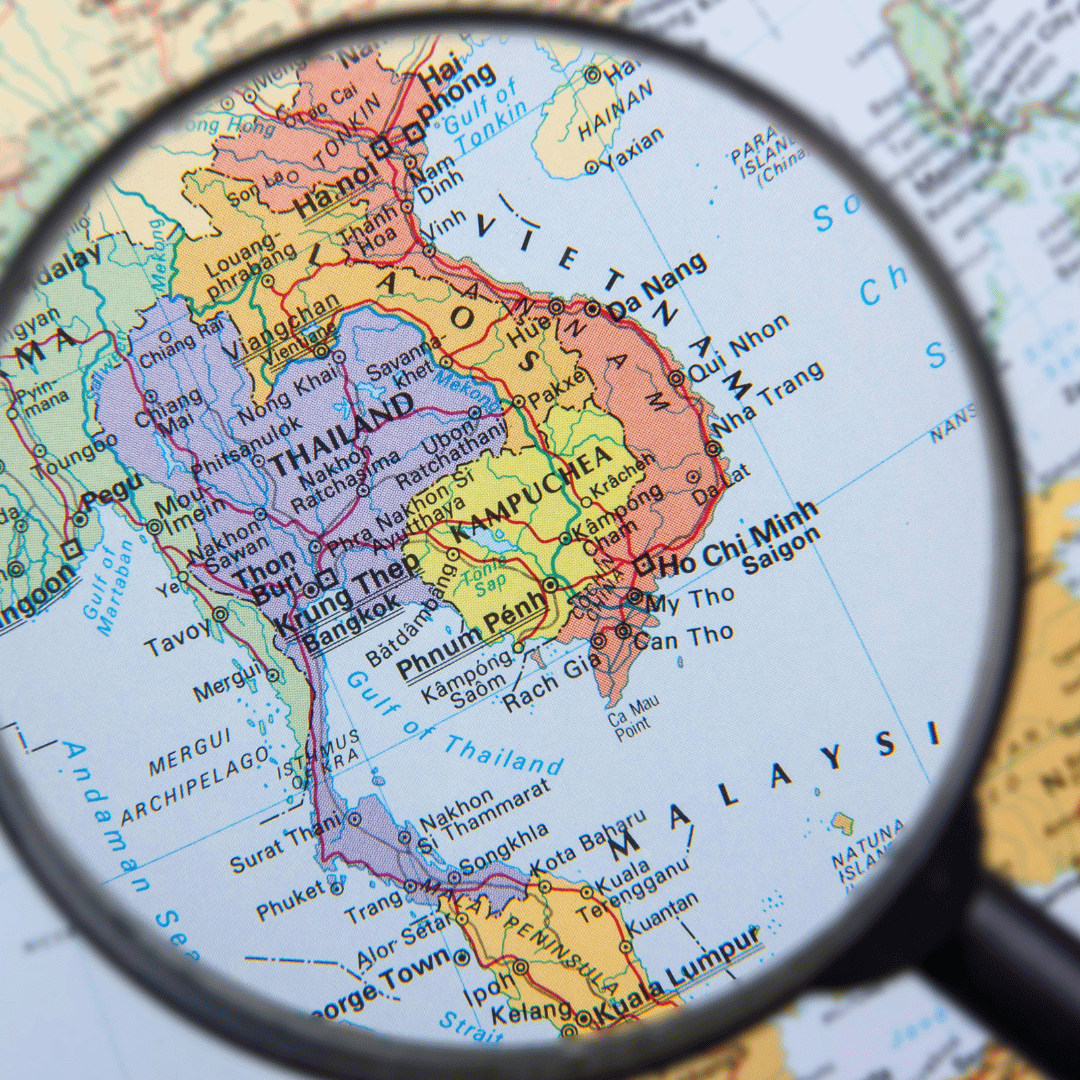
Energy Transformation in Southeast Asia: Policy Challenges
Southeast Asia, with its rapid economic growth, faces significant challenges in meeting the ever-increasing energy demand. The transition from fossil fuels to renewable energy is a crucial step in achieving sustainable development goals and reducing the impact of climate change. However, this energy transformation effort is confronted with a variety of complex policy challenges.
Renewable Energy Potential in Southeast Asia
Southeast Asia is rich in renewable energy sources such as solar, wind, water, and biomass. This potential offers a great opportunity to reduce dependence on fossil fuels and enhance energy resilience. Several countries in the region have made significant progress in developing renewable energy, such as Indonesia with large-scale solar power projects.

Policy Challenges in Energy Transformation
- Dependence on Fossil Fuels: Many countries in Southeast Asia are still heavily dependent on fossil fuels to meet their energy needs. Transitioning to renewable energy requires time and substantial investment to change existing energy infrastructure.
- Lack of Infrastructure: Adequate infrastructure to support the development of renewable energy, such as transmission and distribution networks, remains a major constraint. Developing this infrastructure requires high costs and significant time.
- Inconsistent Policies: Inconsistent energy policies in some countries hinder investment in the renewable energy sector. Frequent policy changes can create uncertainty for investors.
- Limited Funding: Investment in renewable energy requires significant capital. Access to affordable and sustainable financing remains a challenge for many countries in the region.
- Workforce Skills: The energy transition requires a skilled workforce in renewable energy. The shortage of trained labor is a barrier to developing this sector.
Solutions and Recommendations
To address these challenges, several solutions and recommendations can be considered:
- Strengthening Regional Cooperation: Regional cooperation can accelerate renewable energy development through knowledge, technology, and investment exchanges.
- Providing Incentives: Governments need to offer attractive incentives to investors, such as competitive power purchase tariffs and tax reductions.
- Enhancing Human Resource Capacity: Governments should invest in human resource capacity building through education and training in renewable energy fields.
- Infrastructure Development: Governments must prioritize the development of infrastructure that supports renewable energy, such as transmission and distribution networks.
- Diversifying Funding Sources: Governments need to explore diverse funding sources, such as soft loans, grants, and private investments, to support the energy transition.
Energy transformation in Southeast Asia is a complex challenge but offers great opportunities for achieving sustainable development. With the right policies and support from all stakeholders, the energy transition in the region can progress more rapidly and effectively.