
Utilization of Energy from Waste Heat Systems: Untapped Potential
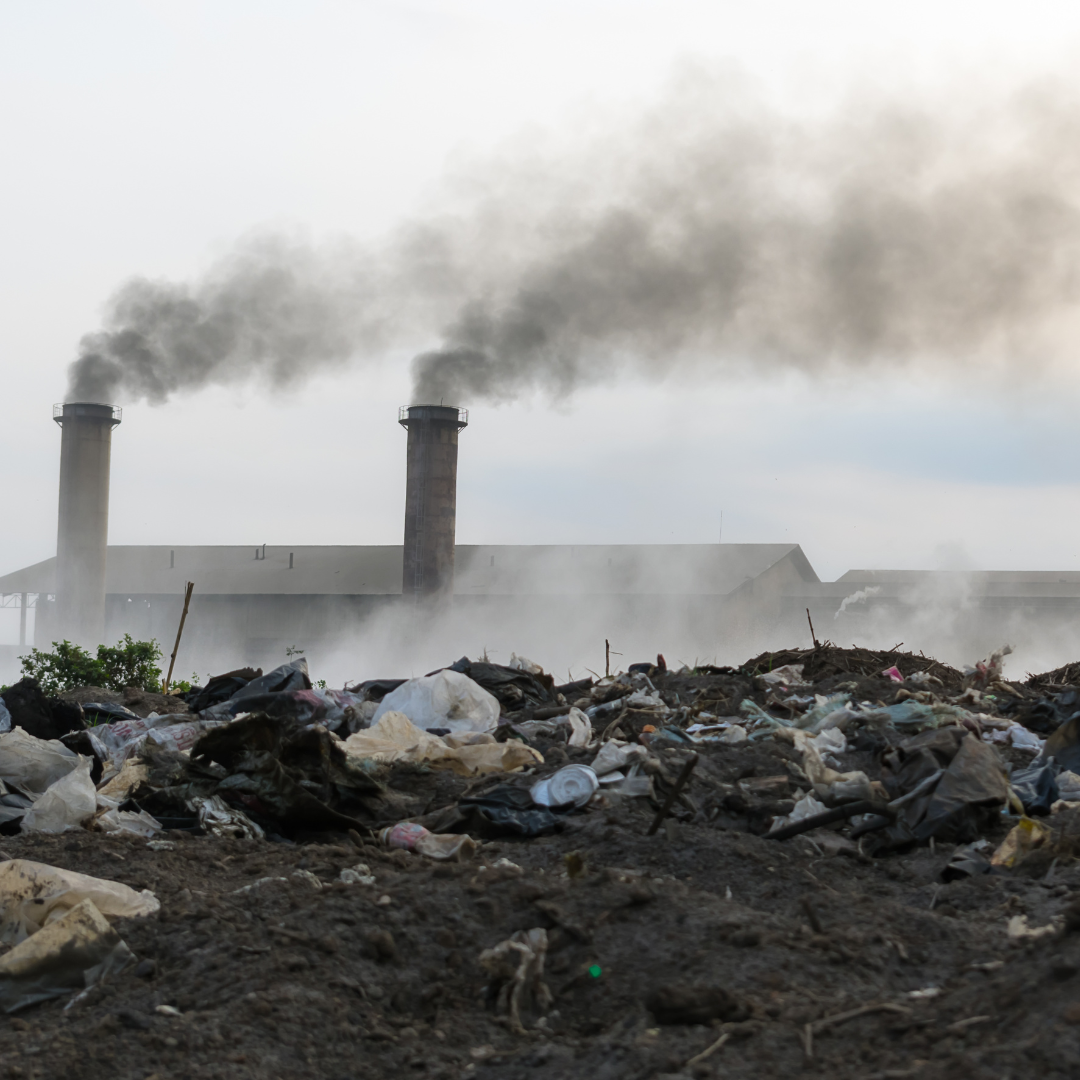
In an era where energy is becoming an increasingly valuable commodity and environmental issues are becoming more pressing, efficient energy utilization is becoming more important. One often overlooked source of energy is waste heat. Waste heat is generated from various industrial processes, power plants, and daily activities. However, this waste heat contains vast energy potential that can be utilized for various purposes.
What is Waste Heat?
Waste heat is the heat energy produced from a process but not directly used. This heat is then released into the environment, either through the air, water, or soil. Examples of sources of waste heat include:
- Industrial processes: Ovens, furnaces, industrial machinery
- Power plants: Turbine coolers, condensers
- Motor vehicles: Internal combustion engines
Potential of Waste Heat Utilization
There are many potential uses for waste heat, including:
- Power generation: Waste heat can be used to drive turbines and generate electricity. Technologies commonly used include Organic Rankine Cycle (ORC).
- Industrial processes: Waste heat can be used to heat raw materials or products during production.
- Building heating: Waste heat can be used to heat water or rooms.
- Desalination of seawater: Waste heat can be used in the desalination process to produce freshwater.
Technologies for Waste Heat Utilization
Some technologies that can be used to harness waste heat include:
- Organic Rankine Cycle (ORC): This technology converts heat energy into mechanical energy, which can then be converted into electrical energy.
- Heat pumps: These devices transfer heat from low-temperature sources to high-temperature sources.
- Thermoelectric generators: These devices convert temperature differences into electricity.

Challenges and Opportunities
Although waste heat utilization has great potential, it still faces several challenges, such as:
- Investment costs: Building infrastructure for waste heat utilization requires significant investment.
- Efficiency: The efficiency of waste heat utilization still needs improvement.
- Regulation: There is a need for regulations that support the utilization of waste heat.
However, behind these challenges, there are significant opportunities. The utilization of waste heat can make a significant contribution to reducing greenhouse gas emissions, improving energy efficiency, and creating new jobs.
Utilizing energy from waste heat systems is an important step towards a more sustainable future. By continuing to develop supporting technologies and policies, the potential of waste heat energy can be optimized to meet the growing energy demand.
Source : https://www.atlascopco.com/id-id/compressors/air-compressor-blog/sumber-energi-panas