
Renewable Energy: A Defense Against Disasters
Natural disasters are becoming more frequent and severe, with human-induced climate change being a major contributing factor. Amid this situation, renewable energy presents a promising solution to reduce disaster risk and build a more sustainable future.
The Link Between Renewable Energy and Disaster Risk Reduction
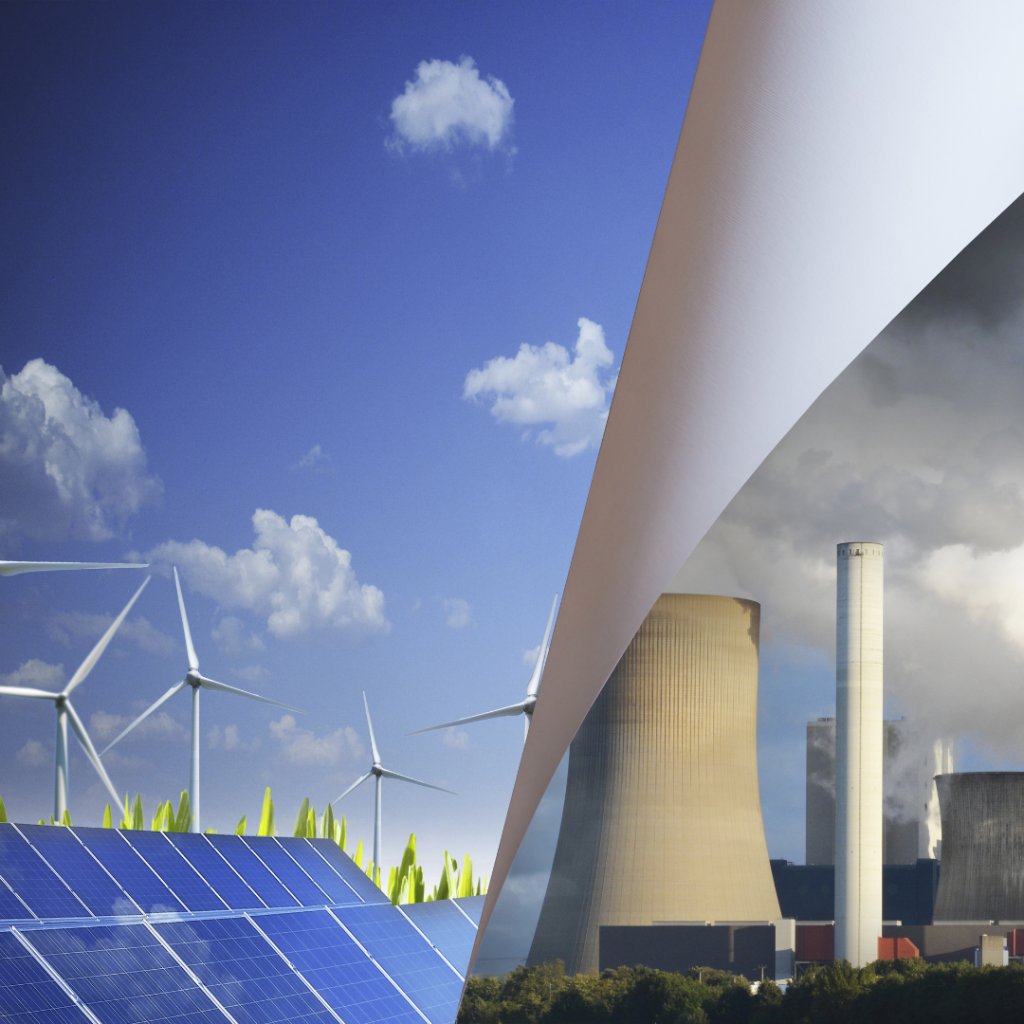
- Climate Change Mitigation: The use of fossil fuels is a leading cause of greenhouse gas emissions that drive global warming. Renewable energy sources, such as solar, wind, and hydro, produce clean energy without carbon emissions, helping to mitigate climate impacts like rising sea levels, extreme weather, and other natural disasters.
- Energy Resilience: Fossil fuel-dependent energy systems are vulnerable to disruptions, especially during disasters. Renewable energy, particularly locally generated, can enhance the energy resilience of an area. When the main power grid fails, small-scale renewable energy systems can continue to provide electricity for essential needs.
- Green Infrastructure Development: Building renewable energy infrastructure, such as solar panels and wind turbines, often involves environmental conservation efforts. This helps reduce disaster risks related to environmental degradation, such as flooding and landslides.
Examples of Renewable Energy in Disaster Risk Reduction
- Solar Power Plants in Disaster-Prone Areas: Solar power plants can be installed in areas frequently affected by disasters, such as earthquake or tsunami-prone regions. Solar energy can provide electricity for emergency needs, such as lighting, communication, and water pumps.
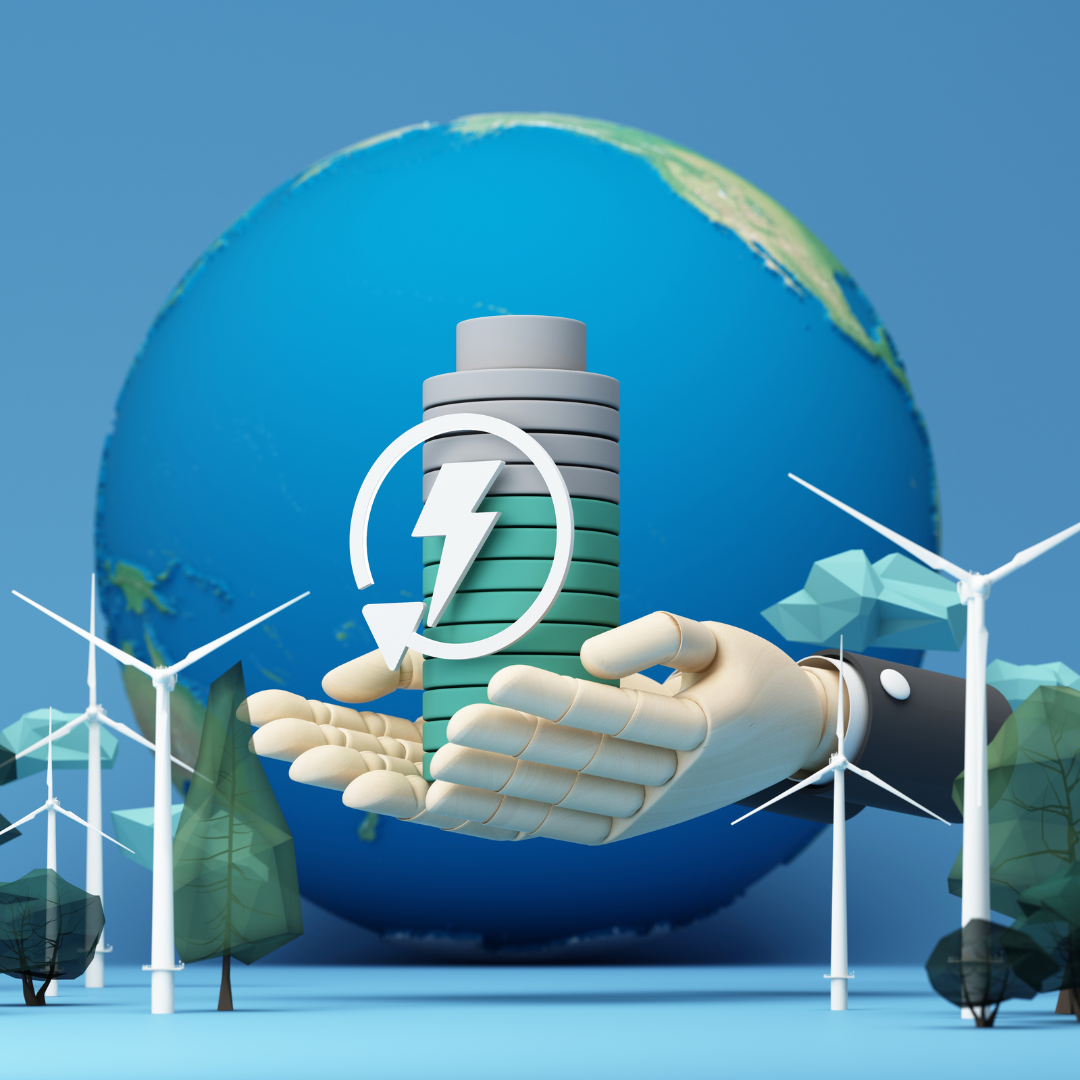
- Energy Storage Systems: Energy storage systems, like batteries, can store energy generated by renewable systems. Stored energy can be used during power outages or when renewable energy production is insufficient.
- Smart Grid: A smart grid is an intelligent electricity network that optimizes energy use and improves system reliability. Smart grids help integrate renewable energy into the grid more efficiently and reduce the risk of blackouts.
Challenges and Opportunities
While renewable energy has great potential for disaster risk reduction, several challenges remain, such as:
- High Initial Investment Costs: Building renewable energy infrastructure requires substantial investment.
- Developing Technology: Renewable energy technology is still advancing, with improvements needed in efficiency and scalability.
- Storage Limitations: Current energy storage technology is not fully capable of meeting large-scale energy storage needs.
Renewable energy plays a crucial role in disaster risk reduction efforts. By harnessing the potential of renewable energy, we can build more resilient and sustainable communities.
Source: Solarkita. Understanding the Impact of Renewable Energy Utilization for a Healthier and More Sustainable Society.