
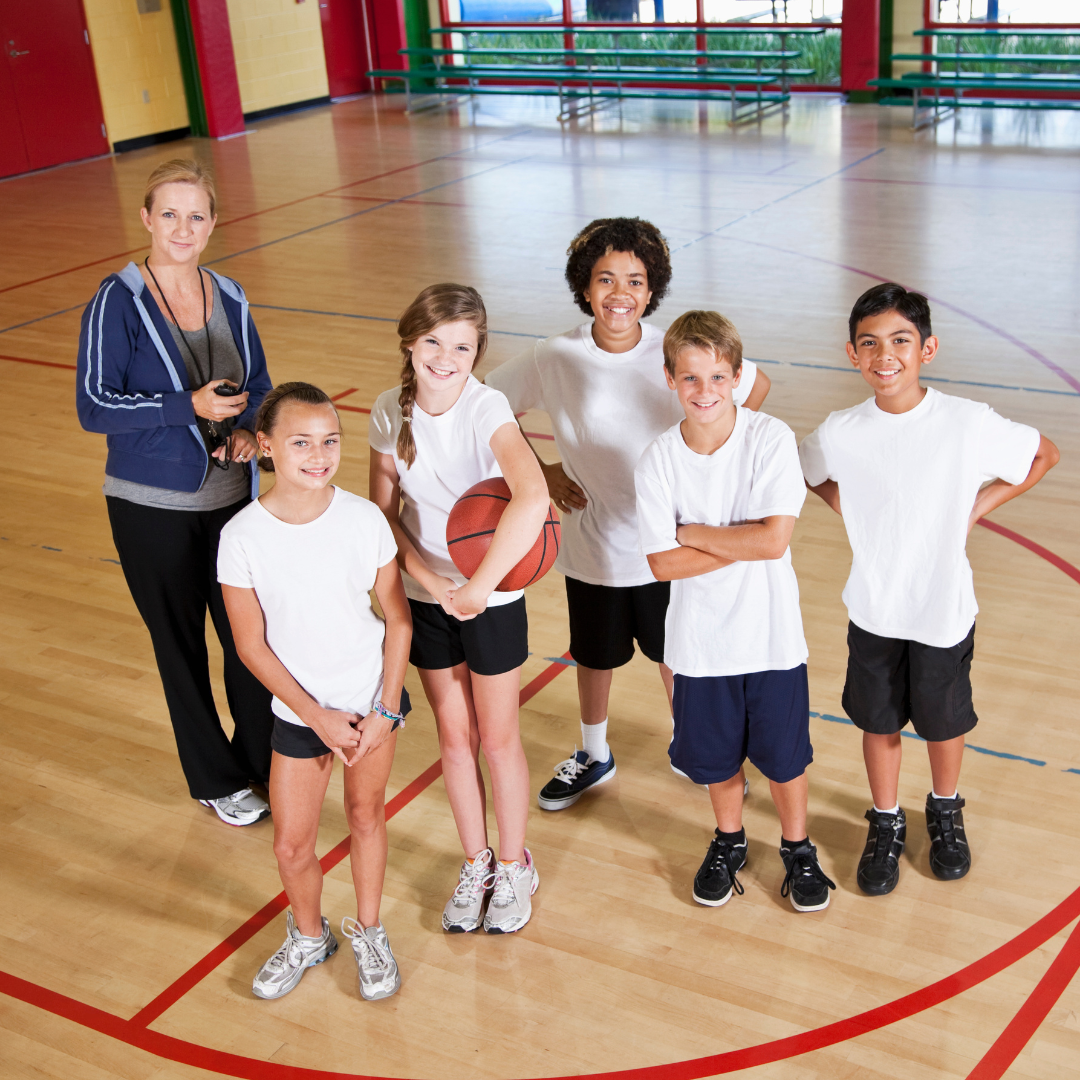
Comparison of Physical Education in Different Countries: Challenges and Opportunities
Comparison of Physical Education in Different Countries: Challenges and Opportunities
Physical education plays a crucial role in shaping a healthy, active, and disciplined generation. However, the implementation of physical education varies across different countries, each with its own characteristics. This article will discuss a comparison of physical education in several countries, identify the challenges faced, and explore the opportunities that can be developed.
Differences in Approach
- United States: Emphasizes competition and individualism. Sports are often used as a means to secure college scholarships.
- Finland: Prioritizes enjoyment and the active participation of all students. Sports are viewed as an integral part of children’s holistic development.
- Japan: Has a strong and structured sports tradition. Discipline and teamwork are highly emphasized.
- Indonesia: The physical education curriculum is still evolving. The main challenges are limited facilities and a lack of qualified teachers.
Common Challenges
- Lack of Time Allocation: Many schools reduce physical education hours due to pressure to meet academic targets.
- Limited Facilities: Insufficient sports fields, outdated equipment, and inadequate changing rooms are major obstacles.
- Lack of Qualified Teachers: Physical education teachers often lack the appropriate educational background or motivation to develop engaging sports programs.
- Public Perception: There is still a perception that sports are only important for talented students or those aiming to become professional athletes.
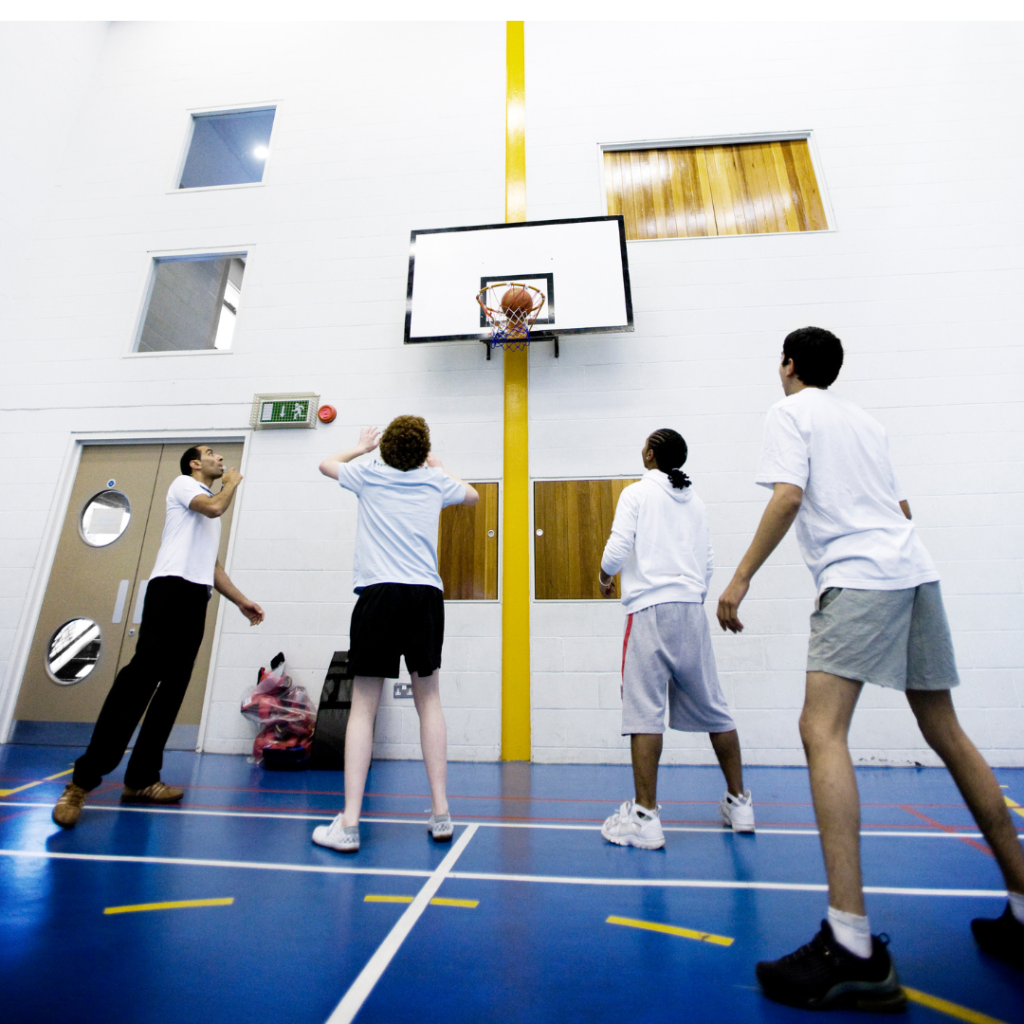
Opportunities for Improvement
- Integration of Technology: The use of apps and smart devices can make sports education more interactive and engaging.
- Cross-Sector Collaboration: Involvement from the government, schools, communities, and the sports industry can improve the quality of physical education.
- Development of Innovative Curriculum: The sports curriculum needs to be adapted to students’ interests and needs, integrating physical, cognitive, and social aspects.
- Improving Teacher Quality: Through continuous training and professional development, physical education teachers can enhance their competencies and creativity.
Conclusion
Physical education has significant potential to shape a healthier and more qualified generation. However, achieving this goal requires collaborative efforts from various stakeholders. By addressing existing challenges and seizing available opportunities, physical education can become a key pillar in building a better future.
Sumber : PERBANDINGAN SISTEM PENJAS DAN OLAHRAGA: INDONESIA DAN JEPANG: https://core.ac.uk/download/pdf/188611822.pdf